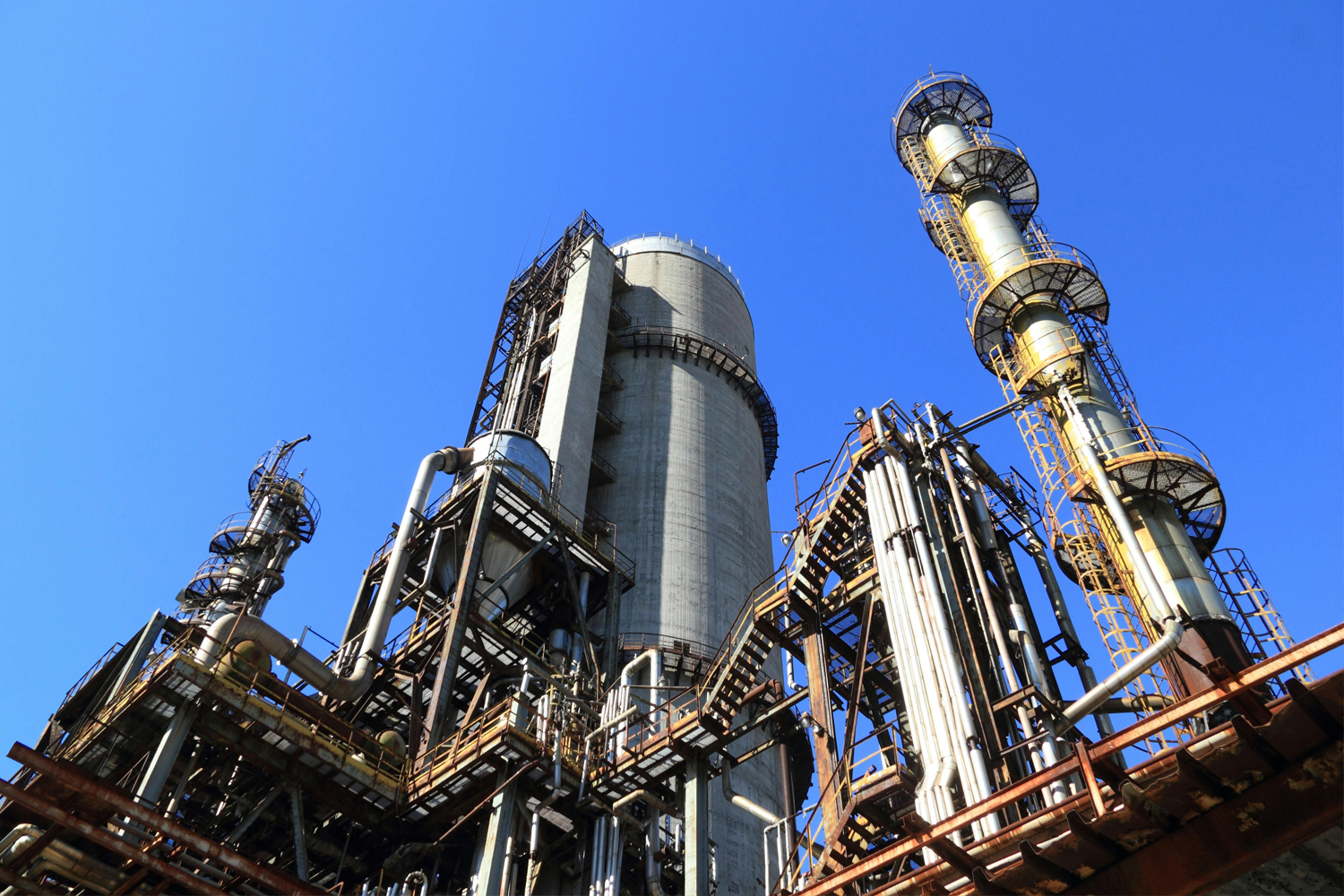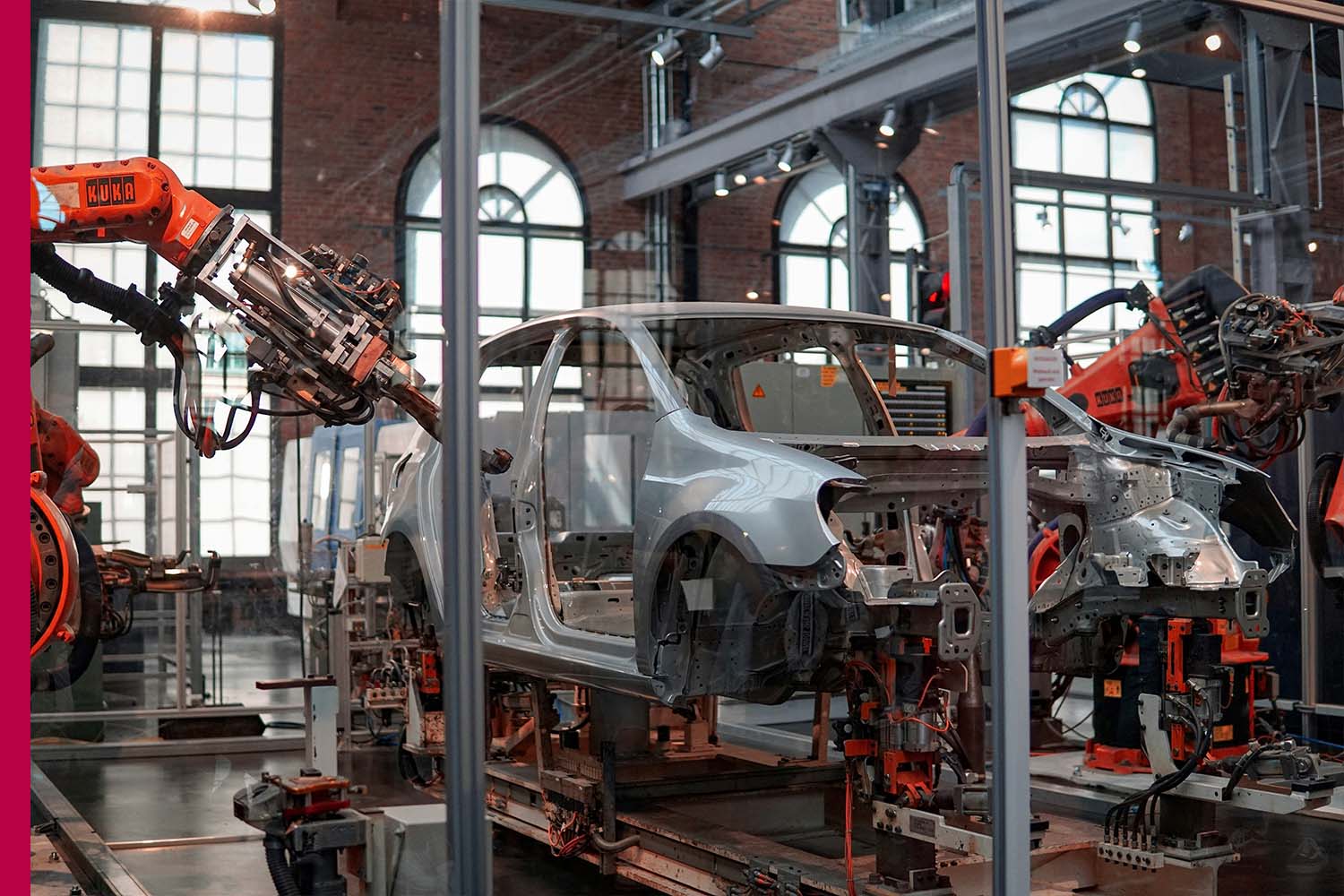




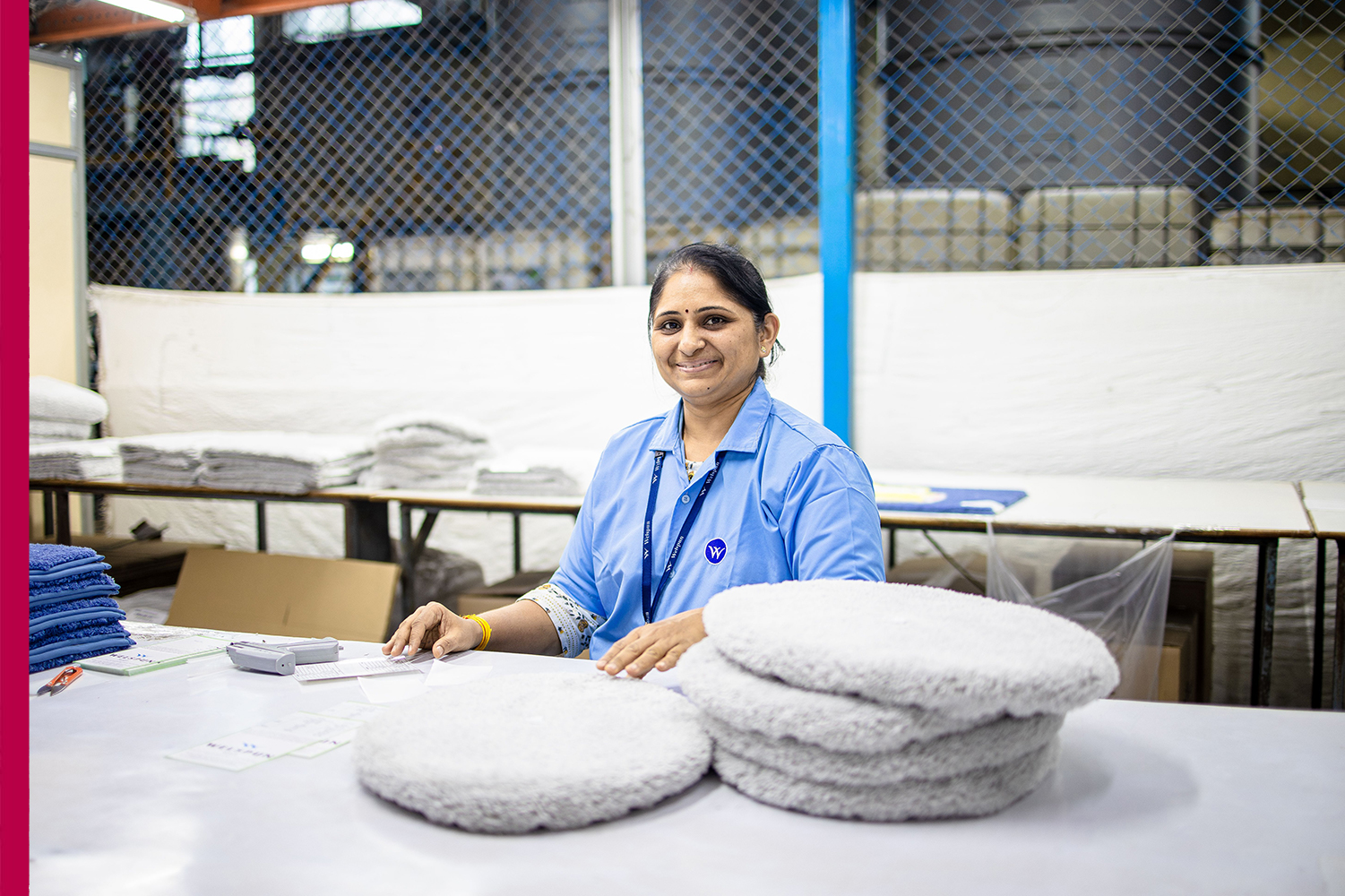
Manufacturing is more than the production of goods. It is an ecosystem of engineering, skilled labour, technology, supply chains, quality management, and investment. From electronics and automobiles to pharmaceuticals, textiles, machinery, and industrial materials, manufacturing helps convert ideas and resources into products that support everyday life and economic development.
For India, a stronger manufacturing sector offers an opportunity to create employment, expand exports, encourage innovation, and reduce vulnerabilities in critical supply chains. The country’s large domestic market, growing technical workforce, and industrial development initiatives provide important advantages. However, lasting competitiveness depends on much more than building factories. Companies must deliver consistent quality, control costs, improve productivity, and respond quickly to changing customer needs.
Recent economic indicators show both the opportunity and the challenge. Reuters reported on 2 November 2026 that India’s manufacturing Purchasing Managers’ Index, or PMI, eased to 54.7 in October from 55.1 in September. Although the reading indicated continued expansion, the pace had moderated as domestic demand and hiring weakened. Export orders, however, rose at their fastest rate in six months, providing support for factory activity.
This contrast highlights a central question for manufacturers: how can businesses remain competitive when domestic demand fluctuates but international opportunities continue to develop? Companies that understand overseas customer requirements, maintain reliable delivery schedules, and meet international quality standards may be better positioned to capture export demand. Yet export growth also requires careful attention to currency movements, trade policies, logistics costs, and the specific regulations of each market.
Technology is reshaping the factory floor. Automation can improve repeatability and reduce certain operational risks, while sensors and industrial data systems can help identify equipment problems before they cause costly interruptions. Artificial intelligence may support production planning, quality inspection, and demand forecasting. These applications are most effective when they address real operational problems and are supported by appropriate training and dependable data.
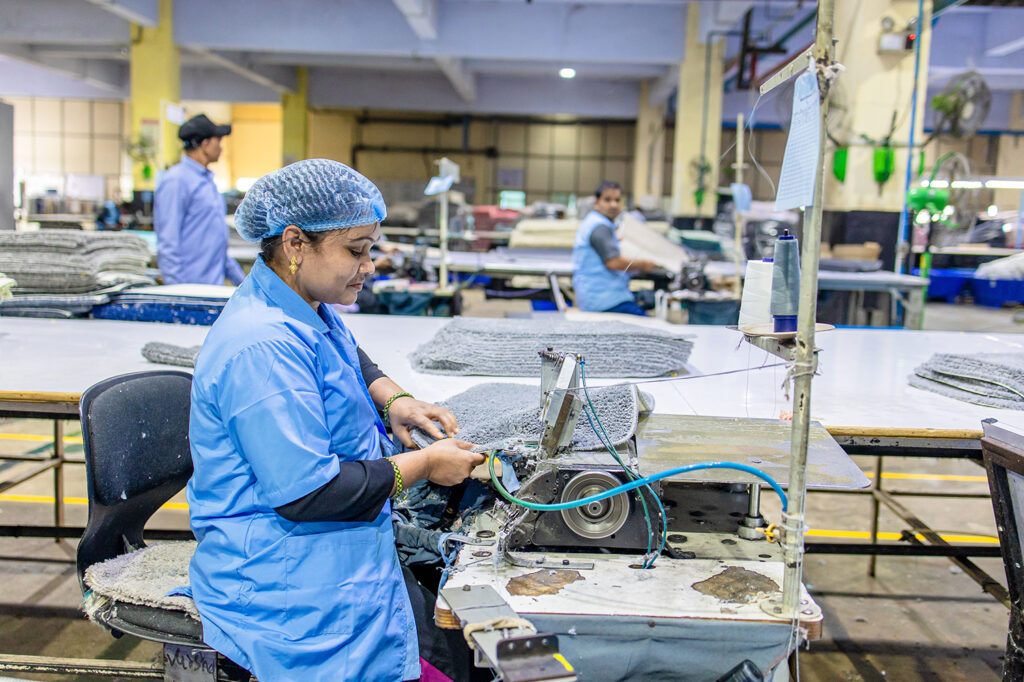
The human dimension remains equally important. Modern manufacturing requires technicians, engineers, maintenance specialists, quality professionals, and managers who understand both production systems and digital tools. Investment in workforce development can help employees adapt as factories introduce new technologies. Automation should be approached as a way to improve productivity and working conditions, while planning responsibly for changing job requirements.
Supply-chain resilience is another priority. Manufacturers depend on raw materials, components, transport networks, energy, and specialised suppliers. Disruptions at any point can delay production and affect customer confidence. Businesses can strengthen resilience by diversifying suppliers, improving inventory visibility, building stronger supplier relationships, and identifying critical dependencies before a disruption occurs.
Sustainability is increasingly connected to industrial competitiveness. Energy efficiency, material recovery, waste reduction, water management, and responsible sourcing can reduce environmental impact while improving resource utilisation. The challenge is to turn sustainability commitments into measurable operational improvements rather than treating them as marketing statements.
India’s manufacturing future will be determined by the quality of its industrial ecosystem: infrastructure, technical education, access to finance, research partnerships, reliable regulation, and strong management. No single incentive or technology can replace these fundamentals.
The next generation of manufacturing leaders will need to combine engineering discipline with commercial awareness and long-term thinking. Factories must become more productive, workers more capable, and supply chains more dependable.
Manufacturing ambition becomes meaningful when it creates products that customers trust, careers that people value, and businesses capable of competing beyond their home markets. That is the foundation of a manufacturing economy built not simply on scale, but on enduring capability.