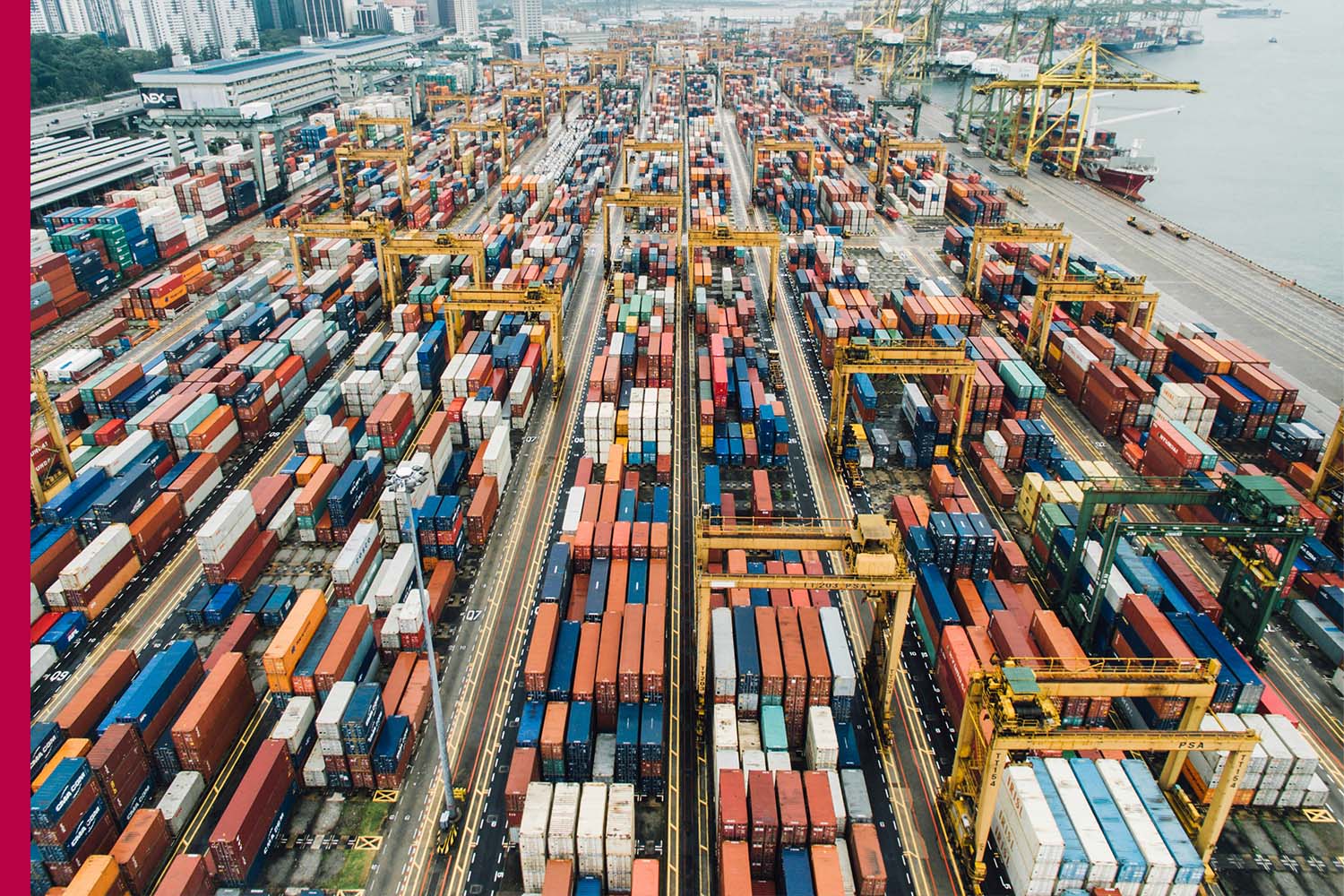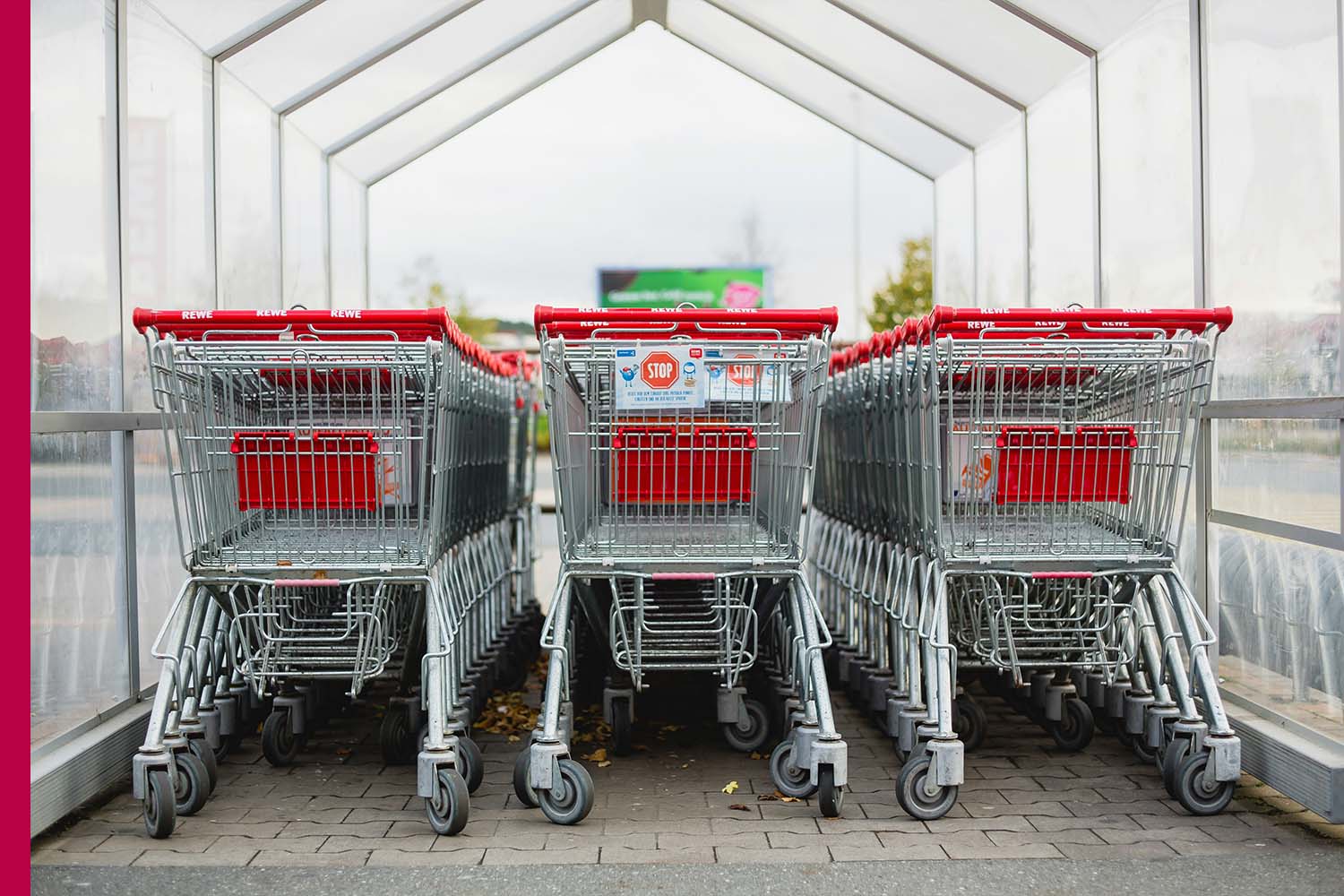




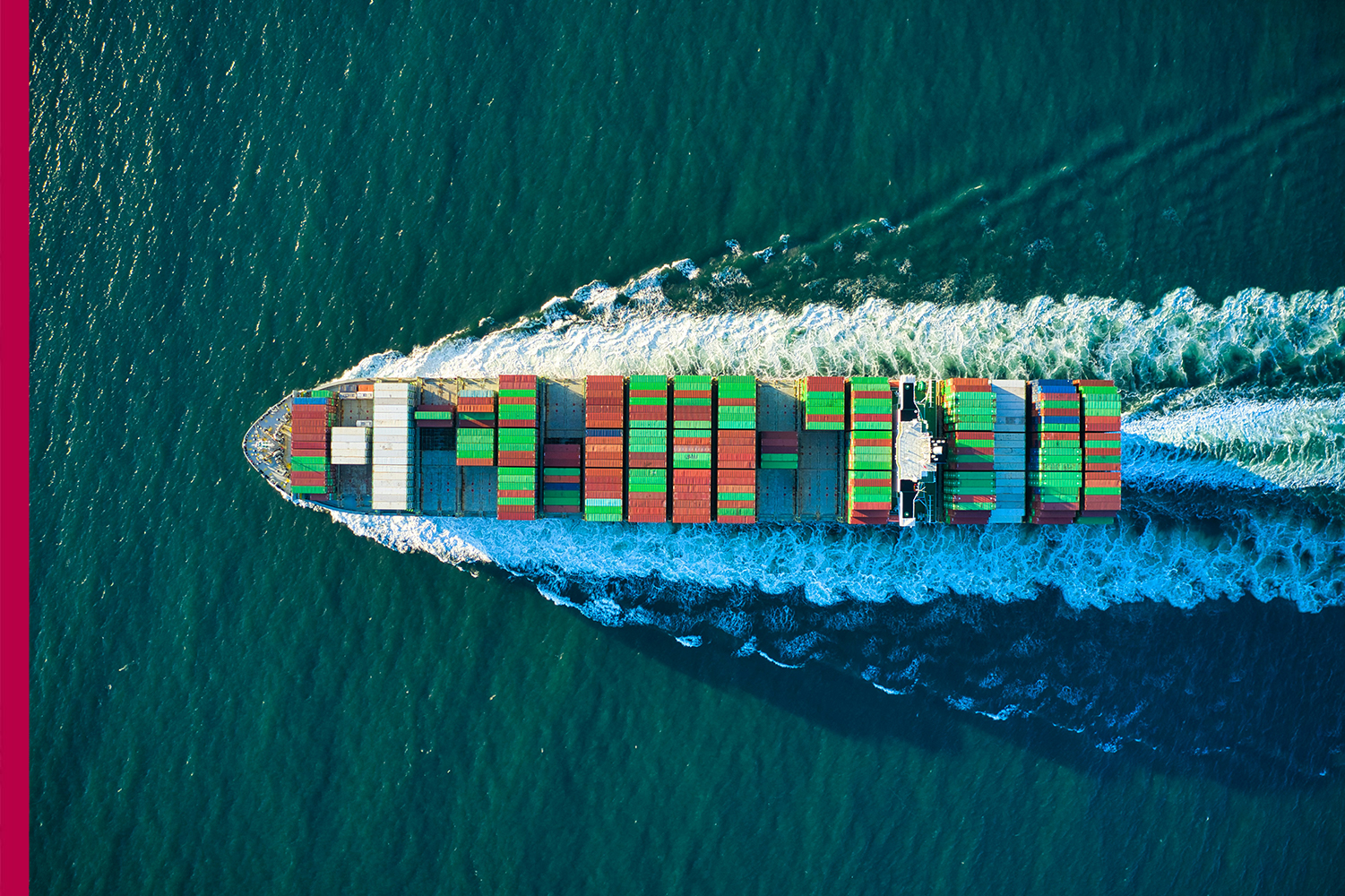
A product’s journey from raw material to customer is rarely simple. It may involve suppliers across several countries, manufacturing facilities, warehouses, transport operators, customs authorities, distributors, and retailers. When each stage operates reliably, the process can appear effortless. When one link fails, the consequences can spread rapidly across businesses and markets.
Supply chains have therefore become a strategic priority rather than merely an operational function. Companies increasingly recognise that efficiency alone is not enough. They must also build networks capable of adapting to changing demand, transport delays, geopolitical uncertainty, and unexpected shortages.
India’s position in global trade creates significant opportunities to strengthen these networks. Its manufacturing base, expanding consumer market, ports, freight corridors, and digital infrastructure can support businesses seeking alternative production and distribution locations. However, capturing these opportunities requires coordination between manufacturers, suppliers, logistics companies, financial institutions, and policymakers.
A report released by DP World’s Global Trade Observatory on 31 August 2026 highlighted this changing approach. Based on a survey of 451 senior supply-chain and logistics executives, the India report found that 70% of surveyed executives prioritised supplier diversification, while 59% were increasing inventory levels to prepare for disruption. These findings suggest that businesses are placing greater emphasis on resilience alongside cost control.
Diversification can reduce dependence on a single supplier, country, or transport route. Yet it introduces complexity. Managing additional suppliers requires consistent quality standards, clear contracts, reliable information, and stronger oversight. Businesses must understand not only where materials originate, but also the vulnerabilities further upstream in their supply networks.
Technology is becoming an important tool in this process. Digital platforms can connect procurement, production, warehousing, and distribution data. Artificial intelligence may support demand forecasting and help identify potential bottlenecks. Real-time shipment tracking can improve visibility, while automated systems can make warehouse operations more responsive. The value of these tools depends on accurate information and the willingness of different partners to share it.
Recent developments in India’s logistics sector illustrate the growing importance of digital and physical infrastructure working together. Industry reporting in late October 2026 highlighted rising demand for quick-commerce logistics space, with dark stores and larger fulfilment hubs expected to influence warehouse requirements through 2030. At the same time, delivery providers are expanding international parcel services to help Indian e-commerce businesses reach customers abroad.
Sustainability is another consideration. Inefficient transport, excessive packaging, damaged goods, and poor inventory planning create avoidable costs and waste. Better route planning, improved packaging, suitable transport choices, and more accurate demand forecasts can reduce these problems while improving service.
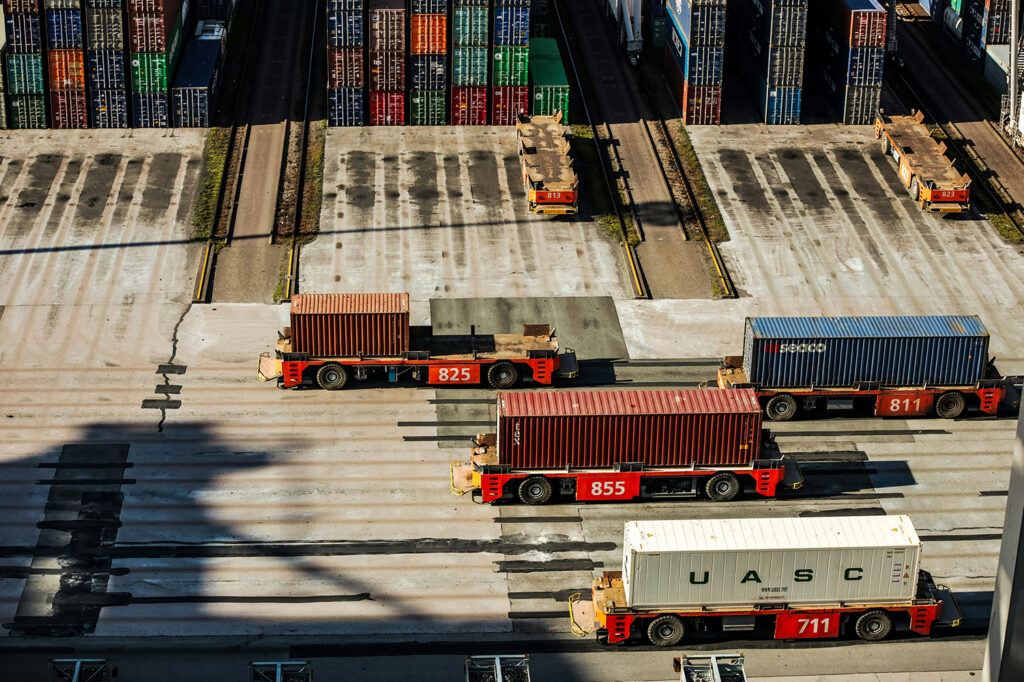
People remain central to supply-chain performance. Procurement specialists, warehouse employees, transport operators, planners, data analysts, and supplier managers must coordinate across different systems and time zones. Clear responsibilities, good training, and strong communication can be as important as advanced software.
For business leaders, the goal should not be to eliminate every risk. That is rarely possible. Instead, organisations need to identify their most critical dependencies, understand the consequences of disruption, and establish realistic alternatives.
The strongest supply chains combine efficiency with flexibility. They use technology to improve visibility, relationships to strengthen cooperation, and thoughtful planning to protect essential operations.
In an uncertain world, resilience is not simply the ability to recover after a disruption. It is the ability to anticipate change, adapt intelligently, and continue delivering value when conditions are no longer predictable.