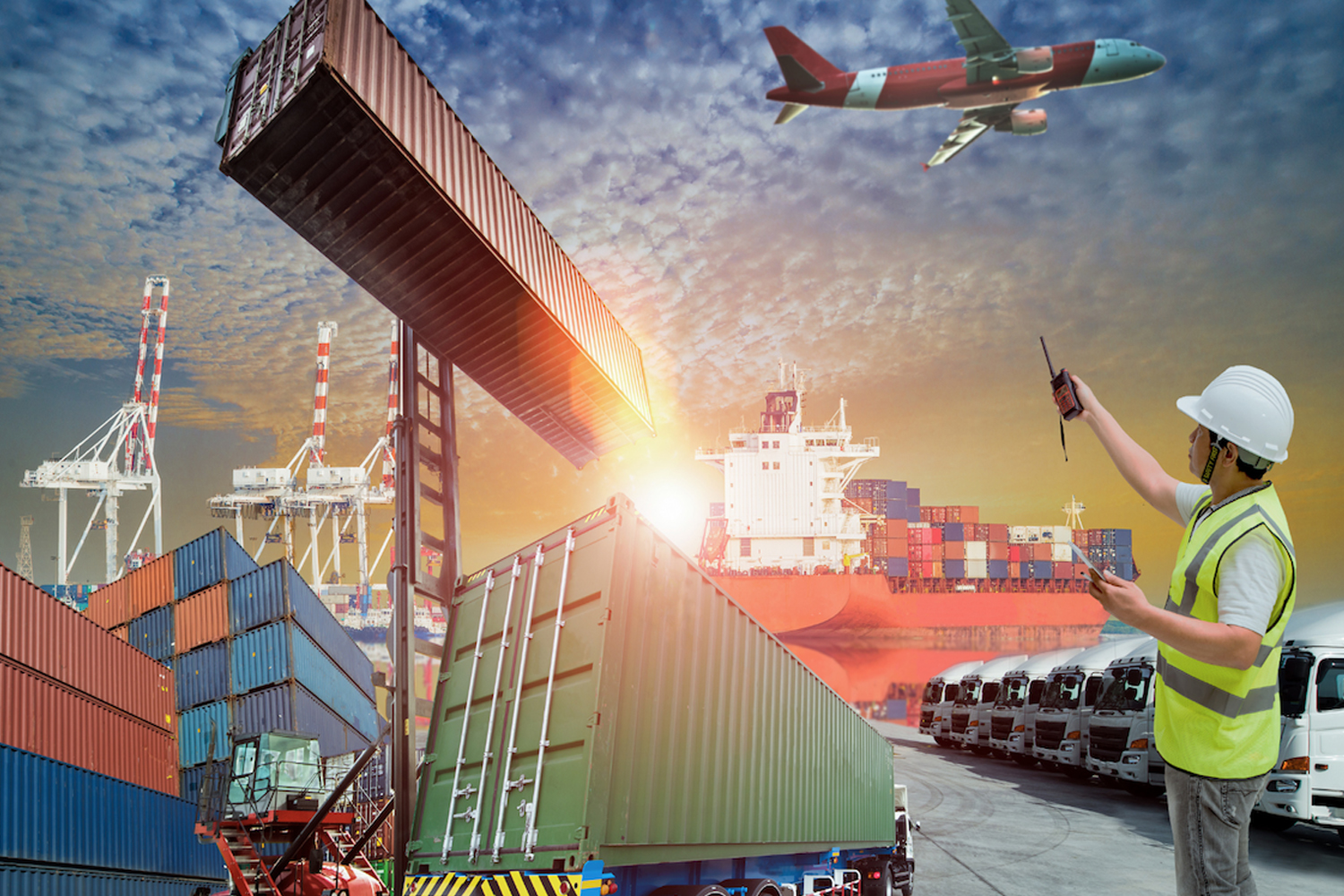



Every product that reaches a customer has travelled through a network of decisions, facilities, and movements. Raw materials must reach factories, finished goods must move to distribution centres, and orders must arrive at shops, offices, and homes. Logistics connects these stages, making it one of the essential systems behind modern commerce.
In India, the importance of logistics continues to grow as e-commerce expands, manufacturers serve wider markets, and businesses seek more reliable ways to move goods. Customers increasingly expect fast deliveries and accurate tracking, while companies must control transport costs, manage inventory, and respond to disruptions. Meeting these expectations requires more than a fleet of vehicles. It requires coordinated infrastructure, information, people, and planning.
The sector is gradually moving towards more integrated networks. Road transport remains important for flexibility and last-mile delivery, while rail freight and ports support the movement of larger cargo volumes. Warehouses, inland container depots, freight terminals, and digital platforms help connect these modes. When they are coordinated effectively, businesses can reduce unnecessary handling, improve reliability, and make better use of transport capacity.
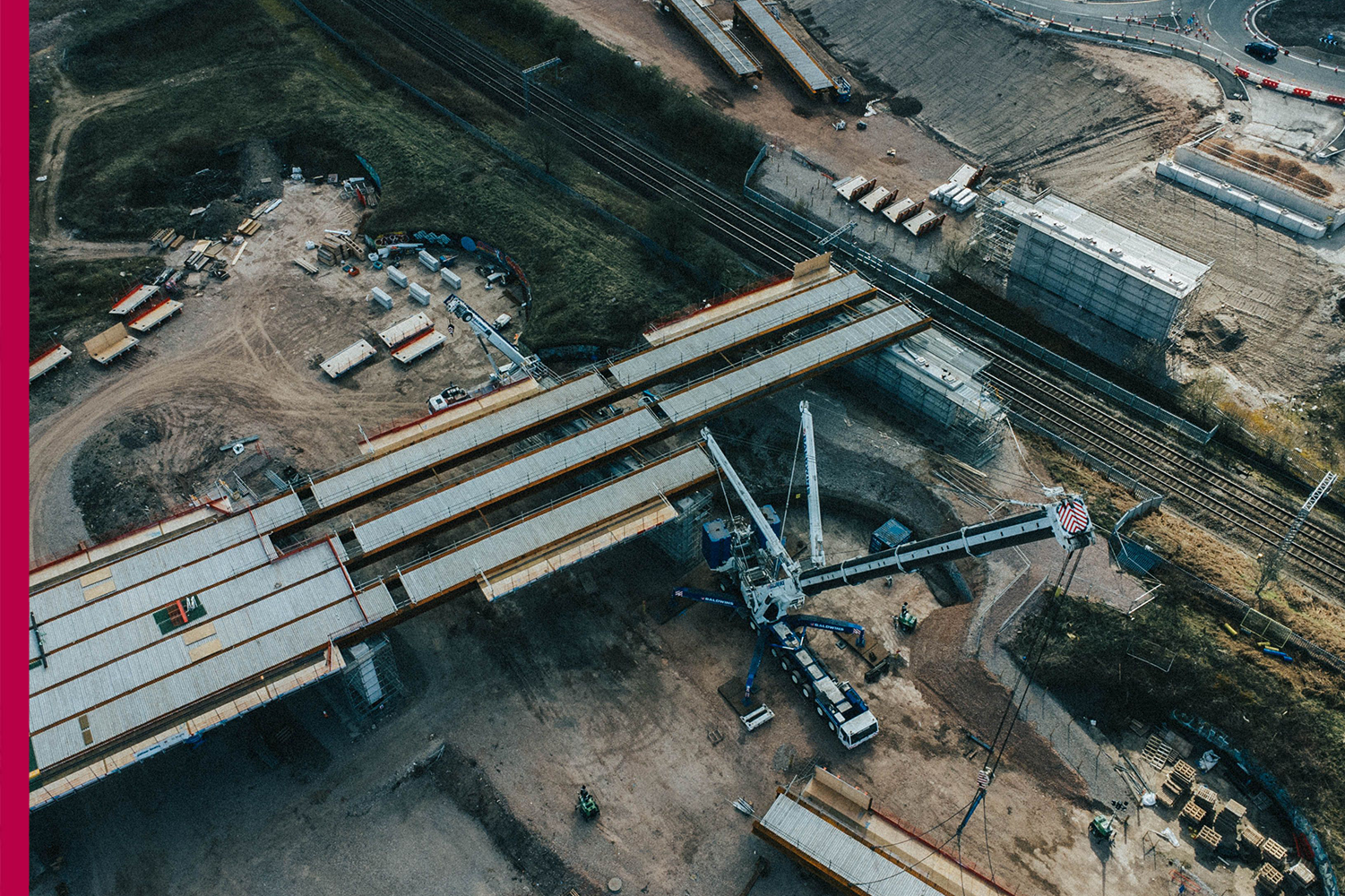
Recent developments offer a view of this transition. On 1 November 2026, a groundbreaking ceremony was held for a proposed multimodal logistics park at Sindi Railway in Maharashtra’s Wardha district. The 150-acre project is intended to improve access to port-linked cargo services, warehousing, and customs facilities for exporters in Vidarbha. Its eventual impact will depend on completing the facilities and establishing efficient cargo operations, but the project reflects the growing focus on connecting inland production centres with wider markets.
The festive shopping season provides another test of logistics capacity. In early November 2026, industry reporting highlighted expectations of a substantial increase in online festive sales and order volumes. For logistics companies, more shipments mean greater pressure on warehouse operations, sorting systems, delivery routes, staffing, and customer communication. Demand is also spreading beyond major metropolitan areas, increasing the need for dependable networks in smaller cities and towns.
Technology is helping logistics operators respond. Shipment tracking, route optimisation, automated sorting, digital documentation, and demand forecasting can improve visibility across the supply chain. Data can help businesses identify delays, manage capacity, and communicate more accurately with customers. However, digital tools deliver value only when information is reliable and systems can exchange it effectively.
Resilience is equally important. Weather events, congestion, geopolitical tensions, fuel-price movements, and changes in trade routes can disrupt the flow of goods. Businesses can reduce vulnerability by diversifying suppliers, maintaining appropriate inventory buffers, planning alternative routes, and improving communication between partners. The goal is not to eliminate every disruption, but to recover more quickly when one occurs.
Sustainability is becoming a practical concern as well. Better vehicle utilisation, fewer empty journeys, efficient warehouses, and suitable shifts to rail or other lower-emission options can help reduce costs and environmental impact. Progress depends on the realities of each route and cargo type, rather than a single solution applied everywhere.
For logistics companies, long-term success will depend on trust and consistency. Customers need transparent pricing, predictable delivery windows, safe handling, and clear processes when something goes wrong. Employees need proper training and safe working conditions, while businesses need reliable systems for managing complex operations.
Logistics is often invisible when it works well. Yet it supports manufacturing, retail, healthcare, agriculture, and international trade every day. The next generation of logistics will be defined by connected infrastructure, intelligent planning, resilient networks, and responsible operations.
A stronger logistics system does more than move goods faster. It helps businesses reach new markets, supports regional economies, and turns distance into a manageable part of doing business.