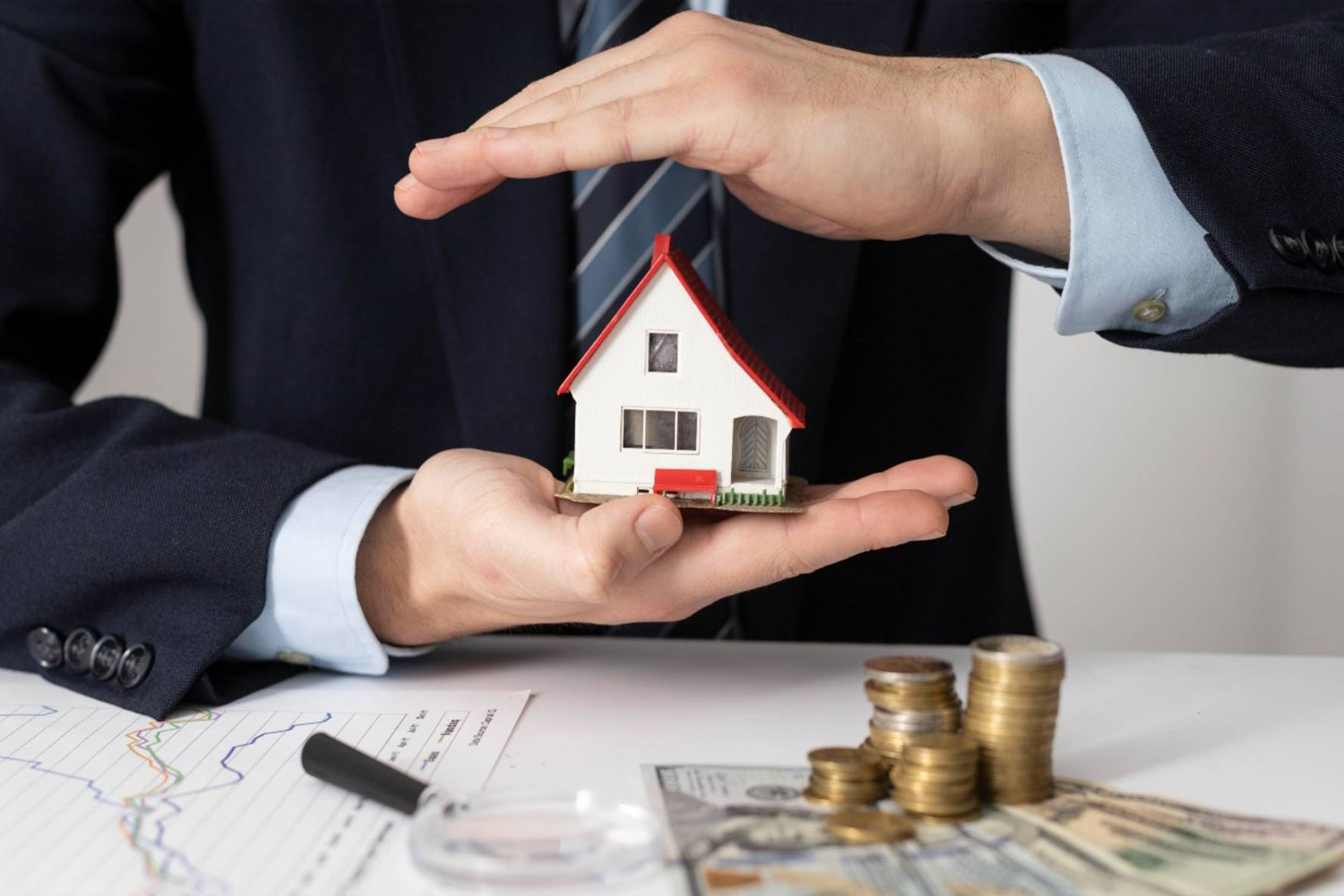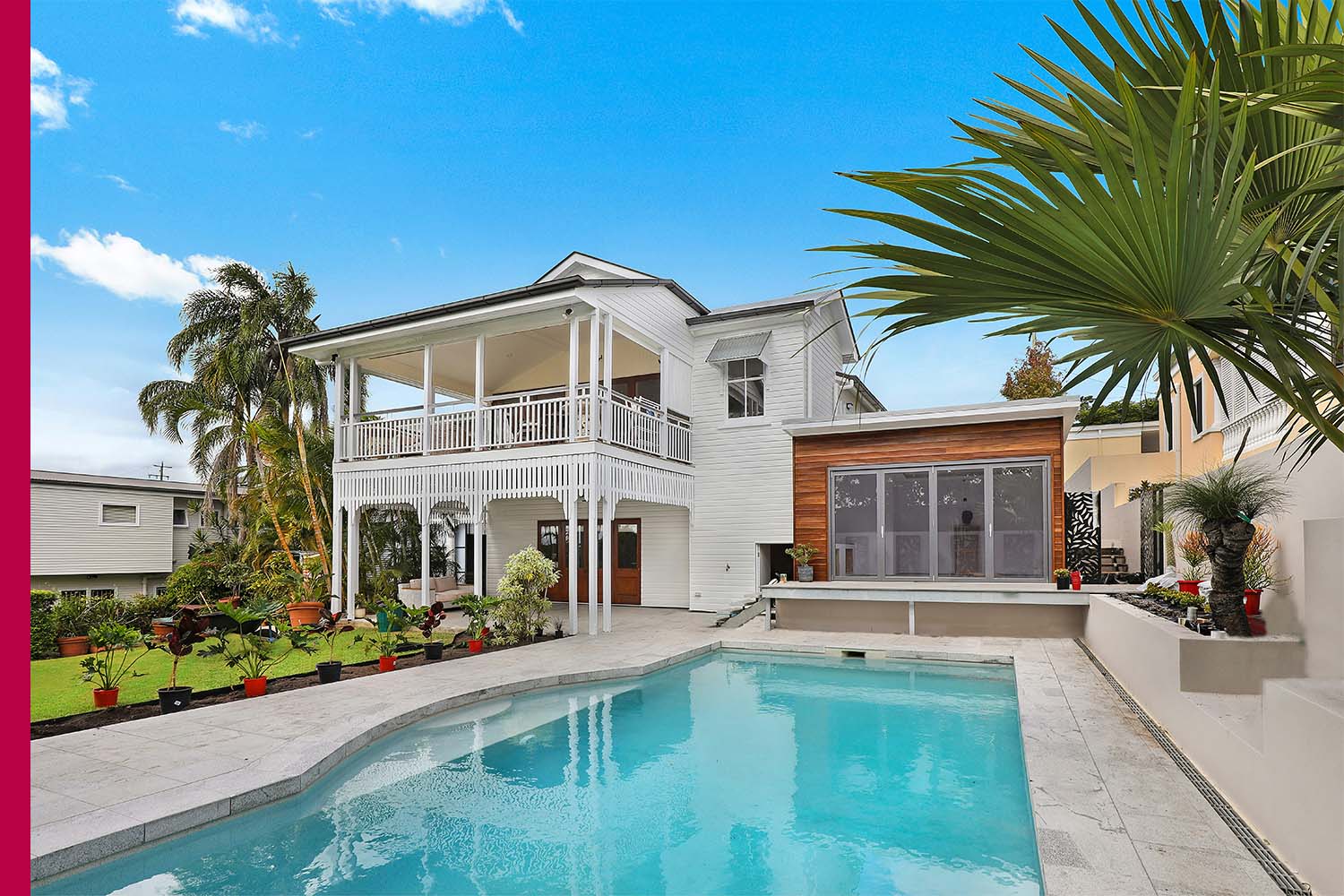




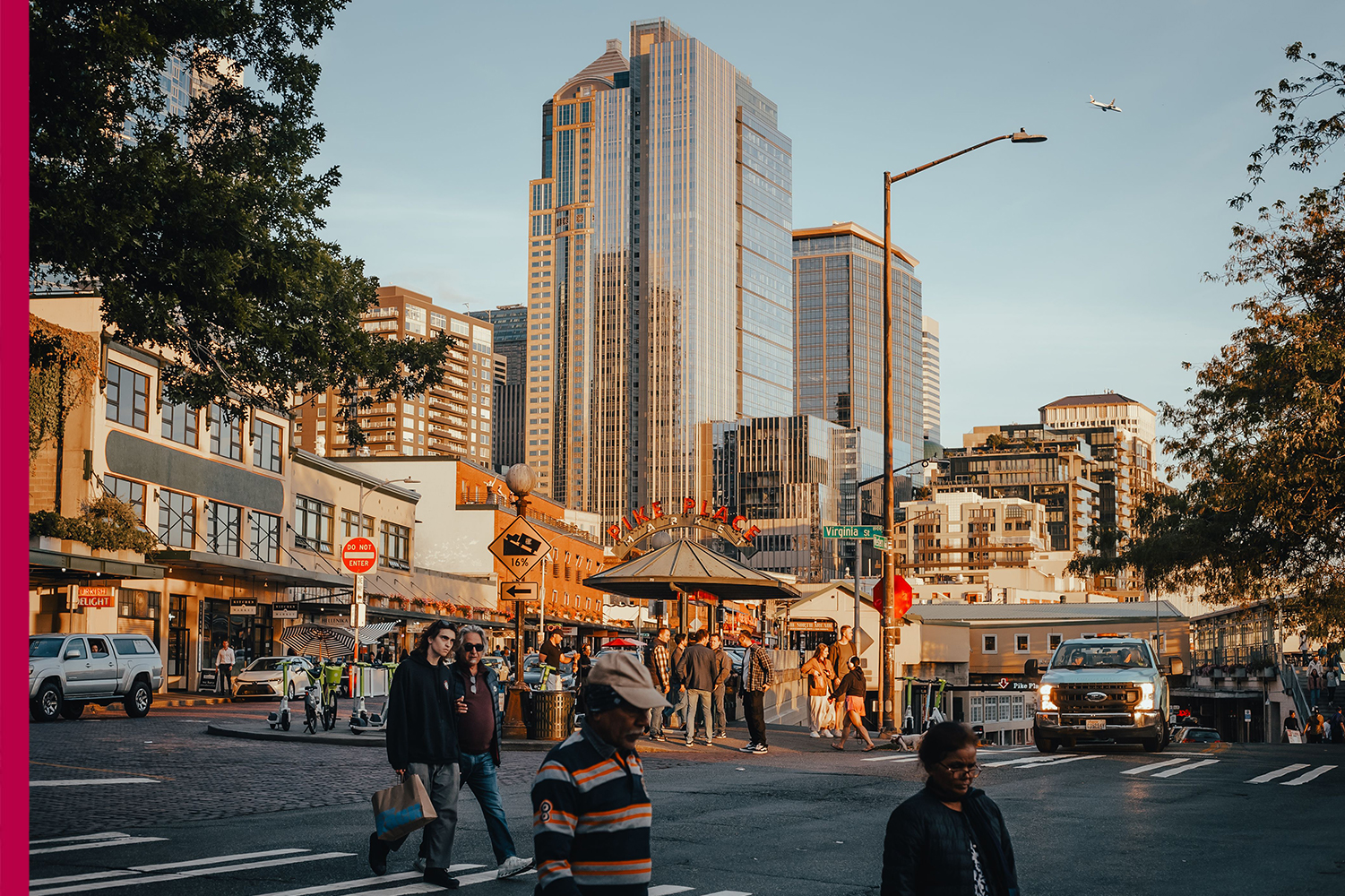
Real estate is often discussed in terms of prices, launches, sales, and investment returns. Yet its influence extends much further. Homes shape family life, offices support economic activity, retail spaces connect businesses with customers, and public developments influence how communities grow. At its best, real estate is not simply about constructing buildings; it is about creating places that remain useful, accessible, and valuable over time.
India’s property sector reflects the country’s changing economic and demographic landscape. Urbanisation, household formation, infrastructure development, and demand for modern workplaces continue to influence where and how new projects emerge. Residential housing remains a major part of the market, while offices, logistics facilities, hotels, retail centres, and mixed-use developments serve a broader range of needs.
Recent data from Mumbai offers a useful snapshot of housing demand. Hindustan Times reported on 1 November 2026 that the city recorded 12,690 property registrations in October, an increase of 9% year-on-year. Stamp-duty collections rose approximately 12% to ₹1,173 crore, according to data from Maharashtra’s Department of Registration and Stamps analysed by Knight Frank India. These figures indicate continued activity in one of India’s most closely watched property markets, although conditions can vary significantly between cities and price segments.
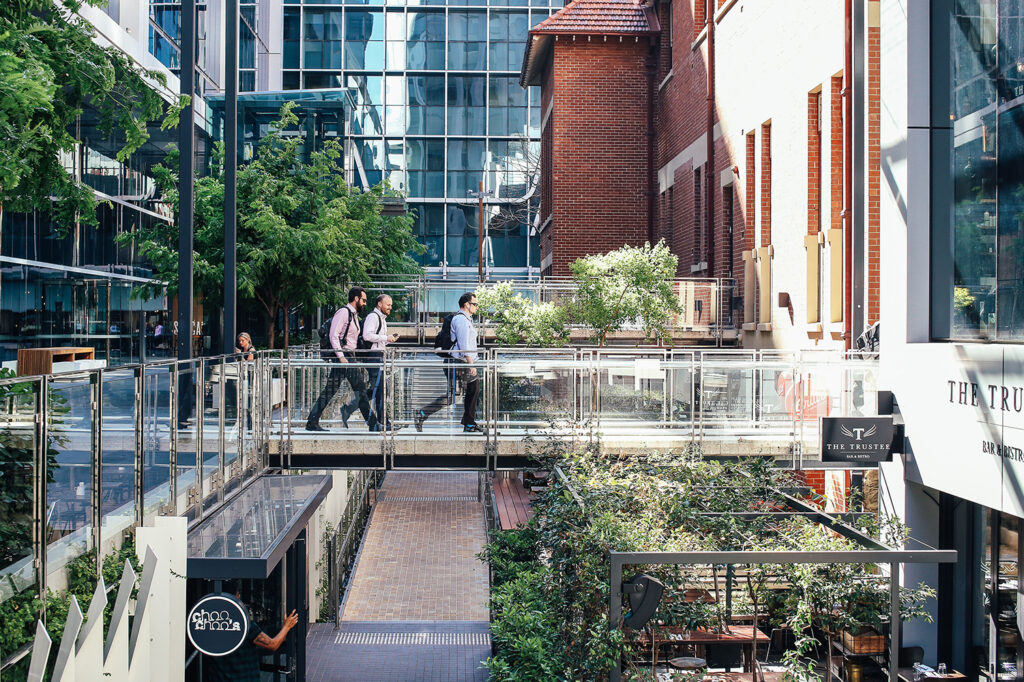
The commercial property market is evolving as well. Businesses are reconsidering office requirements, investing in technology-enabled workplaces, and choosing locations based on access to talent, transport, and supporting services. The growth of global capability centres and other knowledge-intensive operations has encouraged demand for offices in established technology hubs and selected emerging cities. At the same time, logistics and industrial real estate have gained importance as businesses seek more efficient distribution networks.
Property development, however, requires a long-term perspective. A project may generate early interest, but its lasting success depends on construction quality, infrastructure access, maintenance, legal clarity, and the usefulness of its location. Buyers need transparent documentation and realistic delivery commitments. Businesses require spaces that support operations rather than simply provide attractive addresses.
Affordability remains one of the industry’s central challenges. Rising land and construction costs can place housing beyond the reach of many households, even in cities experiencing strong demand. Developers, policymakers, lenders, and planners must consider how to support a wider range of housing needs, including rental options, affordable homes, and developments connected to reliable public transport.
Sustainability is becoming increasingly important in property decisions. Buildings influence energy consumption, water use, waste generation, and urban heat. Efficient design, natural lighting, water conservation, suitable materials, and effective waste management can improve environmental performance while supporting long-term operating efficiency. Climate resilience must also be considered, especially in areas exposed to flooding, heat, and water stress.
Technology is changing how properties are designed, marketed, managed, and maintained. Digital project monitoring can help identify delays, while building-management systems can improve energy use and maintenance planning. Virtual property tours and digital transaction processes can make information more accessible, although buyers still need independent verification and clear legal documentation.
For investors and developers, the strongest opportunities may come from understanding the purpose a property serves. A residential project must meet the needs of its residents. An office must help businesses operate effectively. A retail centre needs a relevant customer base and convenient access. Commercial success depends on matching the property to real demand.
Real estate is a long-cycle industry, and short-term sentiment does not always reveal long-term value. Responsible development requires disciplined finance, realistic planning, reliable construction, and attention to the communities surrounding each project.
The most enduring developments are those that continue to serve people well after the launch advertisements disappear. By combining sound investment with thoughtful design and responsible management, the real estate sector can build more than assets—it can help create the foundations of thriving communities.