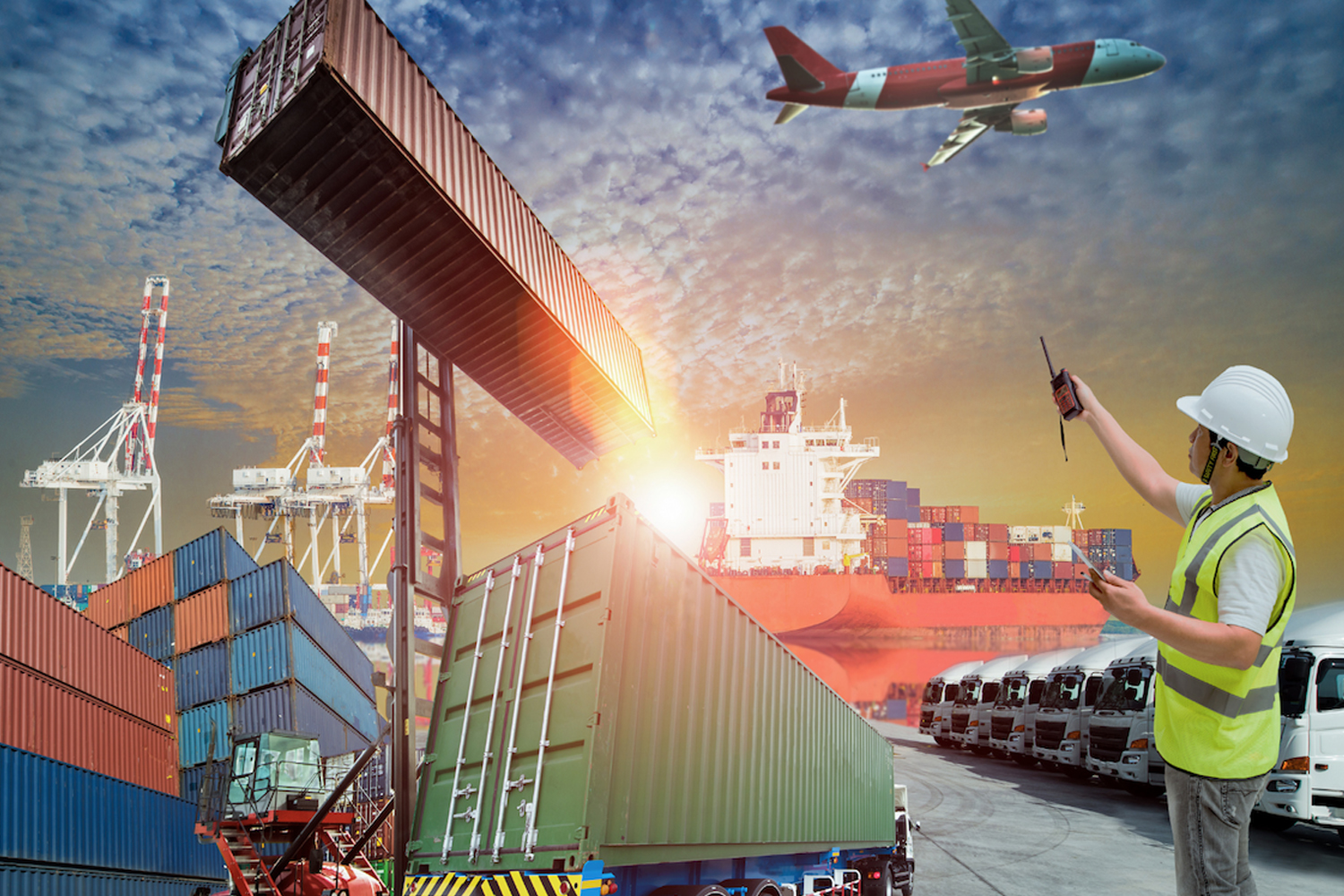




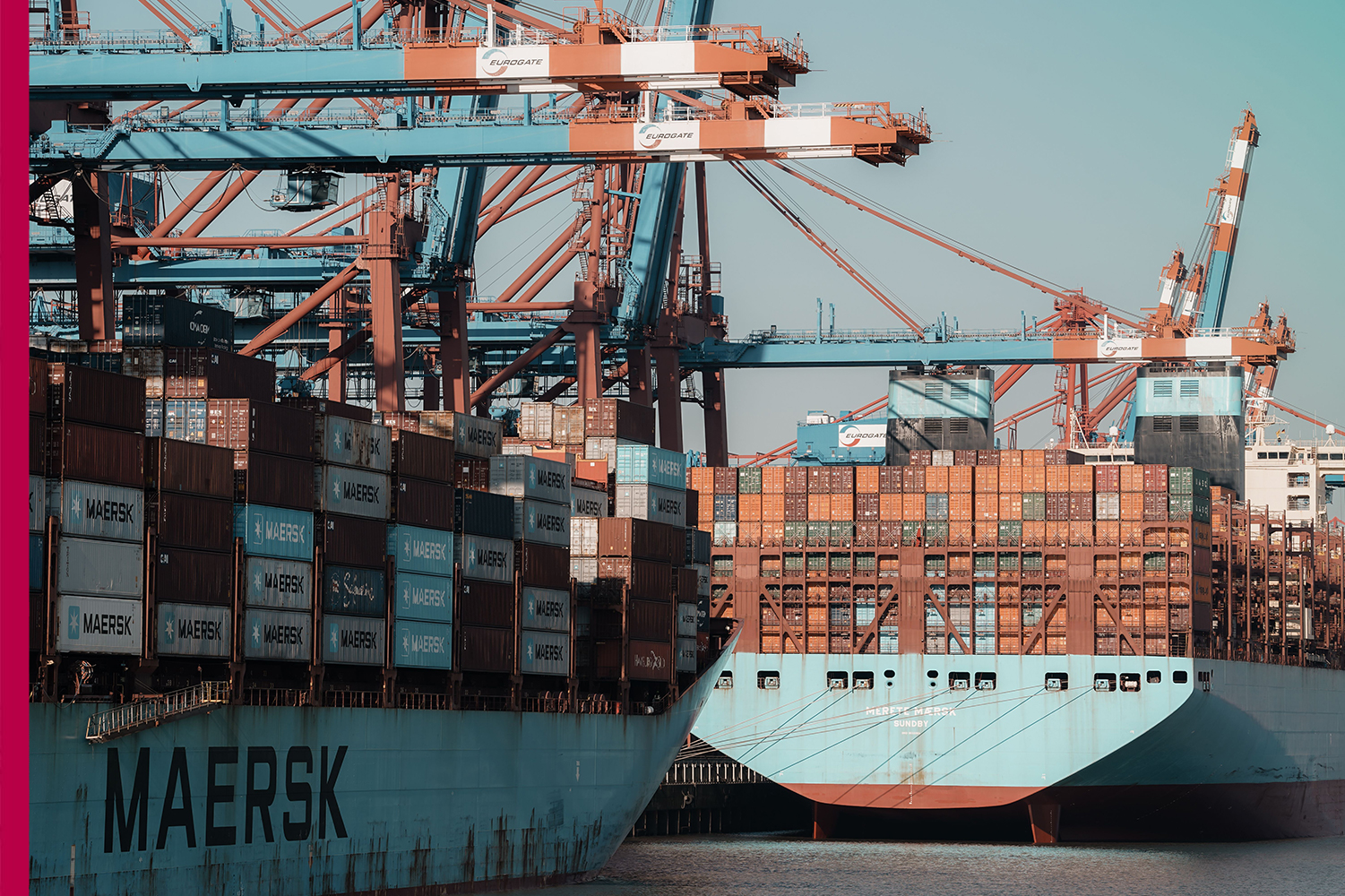
Logistics has become one of the most important foundations of the modern economy. From delivering everyday consumer products to transporting essential medicines and industrial equipment, logistics networks connect manufacturers, suppliers, retailers, and customers across the world. As businesses face increasing expectations for speed, transparency, and reliability, the industry is embracing artificial intelligence, automation, real-time tracking, and data-driven planning to build more responsive supply chains.
One of the most significant developments is the use of artificial intelligence to improve operational decisions. Logistics companies manage complex variables, including transportation costs, delivery schedules, warehouse capacity, fuel consumption, and changing customer demand. AI-powered analytical tools can help organisations forecast demand, identify potential delays, and evaluate alternative routes. When supported by accurate data, these capabilities can improve planning and help businesses respond more effectively to unexpected disruptions.
Warehouse automation is another important trend. Automated storage systems, robotics, barcode scanning, and intelligent inventory platforms can help businesses organise goods and fulfil orders more efficiently. These technologies are particularly valuable in operations that handle large volumes of products. However, automation must be implemented with careful attention to safety, workforce training, system maintenance, and the specific requirements of each facility.
Visibility is becoming equally important. Customers and business partners increasingly expect to know where a shipment is, when it is likely to arrive, and whether a delay has occurred. GPS tracking, connected sensors, and digital logistics platforms can provide information throughout the transportation process. For certain products, including temperature-sensitive medicines and food, monitoring environmental conditions during transit can also support quality control.
The growth of e-commerce has intensified pressure on last-mile delivery. The final stage of transporting goods to customers can be expensive and operationally challenging, especially in crowded urban areas. Companies are exploring improved delivery scheduling, local fulfilment centres, collection points, and more efficient route planning. In some locations, electric delivery vehicles and cargo bicycles may also help reduce emissions and improve urban delivery efficiency.
Sustainability is becoming a major consideration for logistics providers. Transportation consumes energy, while packaging, empty vehicle movements, and inefficient storage can contribute to waste. Businesses are examining ways to consolidate shipments, improve vehicle utilisation, reduce unnecessary packaging, and select more efficient transport options. However, sustainable logistics requires a complete understanding of operational needs rather than relying on a single technology or solution.

India’s logistics sector has significant opportunities as manufacturing, digital commerce, infrastructure, and domestic distribution continue to develop. Better coordination between road, rail, ports, airports, and warehouses can improve the movement of goods. Digital documentation and improved information sharing may also reduce administrative friction.
Nevertheless, logistics networks remain vulnerable to fuel-price changes, extreme weather, infrastructure bottlenecks, geopolitical disruptions, and cybersecurity threats. Companies need contingency plans, diversified suppliers, secure information systems, and strong relationships with transportation partners.
The future of logistics will depend on the ability to combine technology with operational expertise. Advanced software can identify possibilities, but experienced professionals remain essential for managing exceptions, negotiating solutions, and maintaining customer relationships.
Ultimately, logistics excellence is not simply about moving goods faster. It is about delivering the right products safely, reliably, and efficiently while strengthening the connections that keep businesses and communities functioning.