





Life sciences are expanding our understanding of living organisms, biological processes, and the complex relationships between health and the environment. Encompassing fields such as biology, genetics, microbiology, neuroscience, biotechnology, and biomedical research, the life sciences contribute to developments in medicine, agriculture, environmental protection, and industrial production. As scientific tools become more sophisticated, researchers are gaining new ways to investigate questions that were once difficult to answer.
One major area of progress is genomics. By studying genetic information, scientists can investigate inherited characteristics, identify biological pathways, and explore the causes of certain diseases. Advances in sequencing technologies have made it possible to analyse genetic information more efficiently than in the past. These capabilities support research into disease mechanisms and may contribute to more personalised approaches to diagnosis and treatment. However, genetic information must be interpreted carefully, since a genetic variation does not always determine whether a person will develop a particular condition.
Cell biology is another important field. Understanding how cells grow, communicate, repair damage, and respond to their surroundings helps researchers investigate diseases and develop potential treatments. Stem-cell research and regenerative medicine are exploring ways to understand tissue development and repair. Although some applications have progressed into clinical practice, others remain experimental and require extensive evaluation before their safety and effectiveness can be established.
The growing use of computational tools is changing how life-science research is conducted. Modern laboratories generate vast quantities of information from genetic sequencing, molecular experiments, imaging, and clinical studies. Artificial intelligence and data analytics can help researchers organise these datasets, identify patterns, and prioritise questions for further investigation. Nevertheless, computational predictions must be tested through appropriate scientific methods. Reliable discoveries require reproducible evidence, careful experimentation, and independent evaluation.
Life sciences also play an important role in agriculture. Research into plant genetics, soil microorganisms, crop diseases, and environmental adaptation can help improve agricultural productivity and resilience. Biological approaches to pest management and soil health may complement established farming methods. Their effectiveness depends on local conditions, scientific evidence, and responsible implementation.
Environmental research offers further opportunities. Scientists study ecosystems, microbial communities, biodiversity, and the effects of pollution to understand how natural systems respond to human activity. This knowledge can support conservation, environmental monitoring, waste treatment, and the development of biological processes for selected industrial applications.
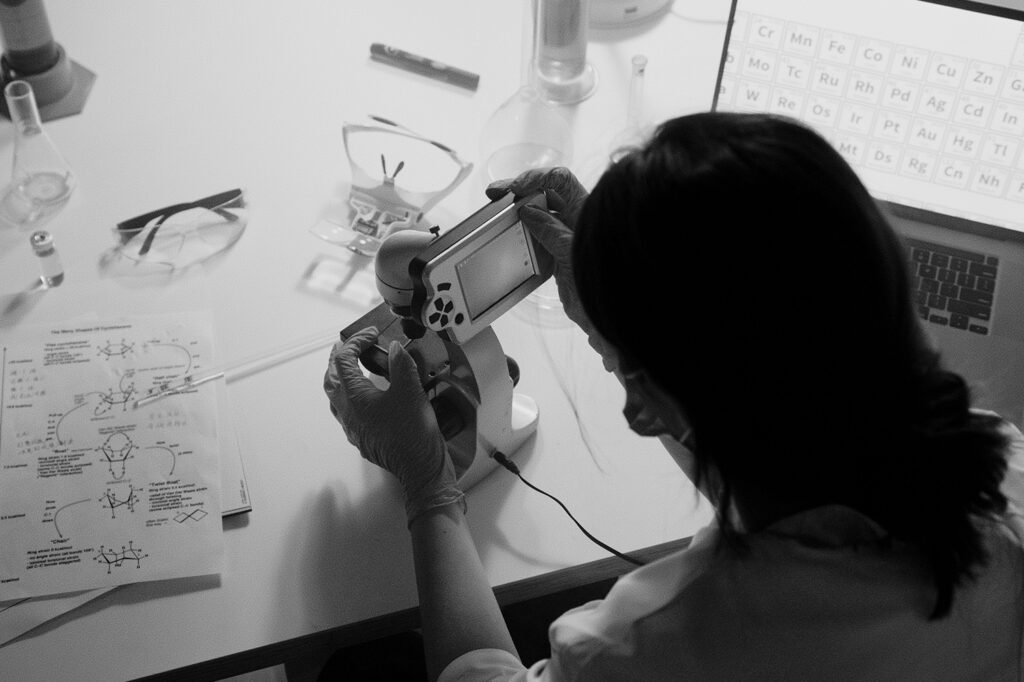
Despite these opportunities, scientific progress requires substantial investment in infrastructure and people. Laboratories need reliable equipment, skilled researchers, safe working environments, and consistent funding. Collaboration between universities, hospitals, biotechnology companies, and public institutions can help translate research findings into practical applications.
Ethics is equally important. Research involving human participants must protect informed consent, privacy, and participant welfare. Biological samples and genetic information require careful handling, while studies involving animals must follow appropriate ethical and regulatory standards. Scientific innovation gains legitimacy when it respects the rights and dignity of those affected by research.
India has opportunities to strengthen its life-sciences ecosystem through pharmaceutical research, diagnostics, biotechnology, agricultural science, and biomedical innovation. Expanding research capabilities, supporting young scientists, and improving links between academic discovery and practical application can help convert scientific knowledge into wider public benefit.
The future of life sciences will depend on more than sophisticated instruments or large datasets. It will require curiosity, critical thinking, collaboration, responsible research, and the patience to test new ideas rigorously.
Ultimately, the life sciences are about understanding the systems that sustain life and using that knowledge to address meaningful challenges. Their greatest contribution will be measured by improvements in human health, environmental wellbeing, scientific understanding, and the quality of life for future generations.