



India’s defence modernisation is entering an important phase, with a major procurement decision bringing attention to the country’s military preparedness, domestic manufacturing ambitions and rapidly changing security environment.
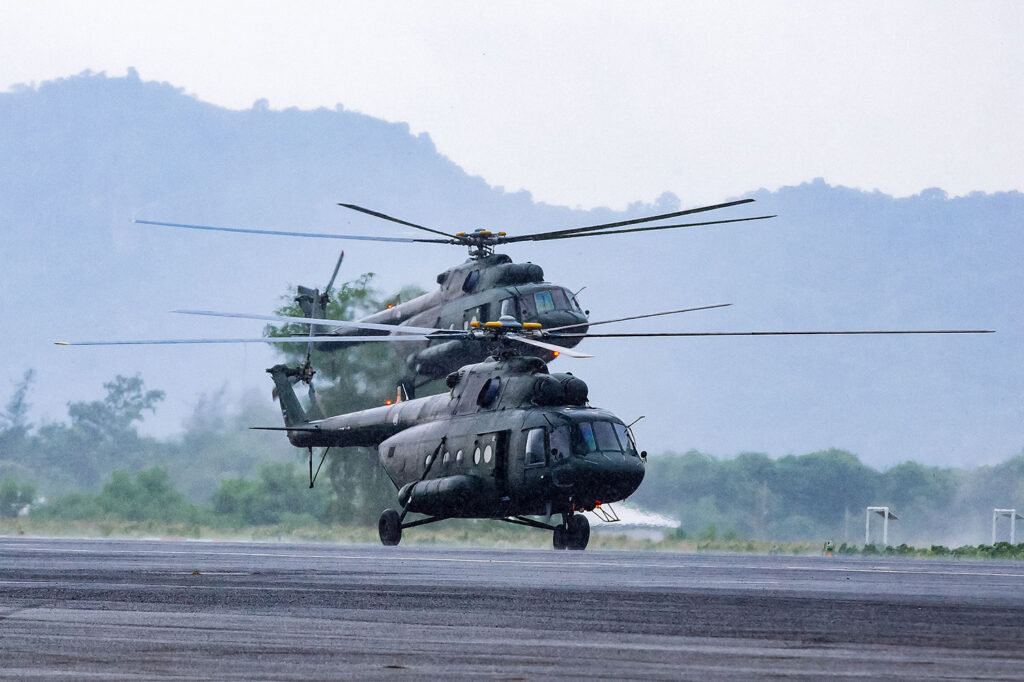
On October 26, 2026, India’s Defence Acquisition Council accorded Acceptance of Necessity to defence procurement proposals estimated at approximately ₹2.12 lakh crore. The approvals cover a range of equipment for the armed forces, including helicopters, air-defence systems, surveillance platforms, counter-drone capabilities and long-range unmanned systems.
The scale of the announcement is significant, but the nature of the proposed equipment is equally important. Modern defence increasingly depends on the ability to detect threats, process information and respond quickly across multiple environments.
Unmanned aerial systems, commonly known as drones, have become a major focus of military planning around the world. They can be used for surveillance, reconnaissance and other operational roles. At the same time, their growing use has created new security challenges, encouraging the development of counter-unmanned aerial systems that can detect and respond to potential threats.
India’s proposed procurement includes platform-based counter-drone systems, surveillance UAVs and long-range kamikaze drone systems. These capabilities reflect a broader shift towards technology-driven operations in which information, precision and speed can influence outcomes.
Air defence is another important area. Very Short-Range Air Defence Systems and other proposed capabilities are intended to strengthen protection against aerial threats. Improved surveillance and tracking systems can also help military personnel identify and assess potential dangers more effectively.
The modernisation effort extends beyond equipment acquisition. Defence manufacturing is becoming an important part of India’s industrial and technological ambitions. Developing domestic capabilities can create opportunities for established defence companies, engineering firms, electronics manufacturers, research institutions and smaller suppliers.
A separate development on October 21, 2026, reinforced this direction. The Ministry of Defence signed a contract worth approximately ₹770 crore with Bharat Electronics Limited for Improved Low Level Light Weight Radars for the Indian Army. The radar system is designed to detect and track fighter-sized targets as well as mini and micro drones.
These investments are relevant to India’s wider goal of strengthening domestic defence production. Local manufacturing and technology development can support supply-chain resilience, create specialised employment and build capabilities that may eventually serve international markets.
However, a procurement approval is not the same as equipment being delivered and deployed. Acceptance of Necessity is an initial approval stage. Contracts, technical evaluations, production schedules, testing, training and maintenance all influence when a capability becomes operational.
Defence modernisation must also balance cost, reliability and long-term support. Advanced equipment is useful only when personnel are trained to operate it and the systems can be maintained throughout their service life.
The future of defence will increasingly involve the integration of electronics, artificial intelligence, communications, robotics and advanced materials. Countries that develop these capabilities responsibly will be better positioned to protect their strategic interests.
For India, the challenge is not simply to acquire more equipment. It is to build a modern, dependable and technologically capable defence ecosystem.