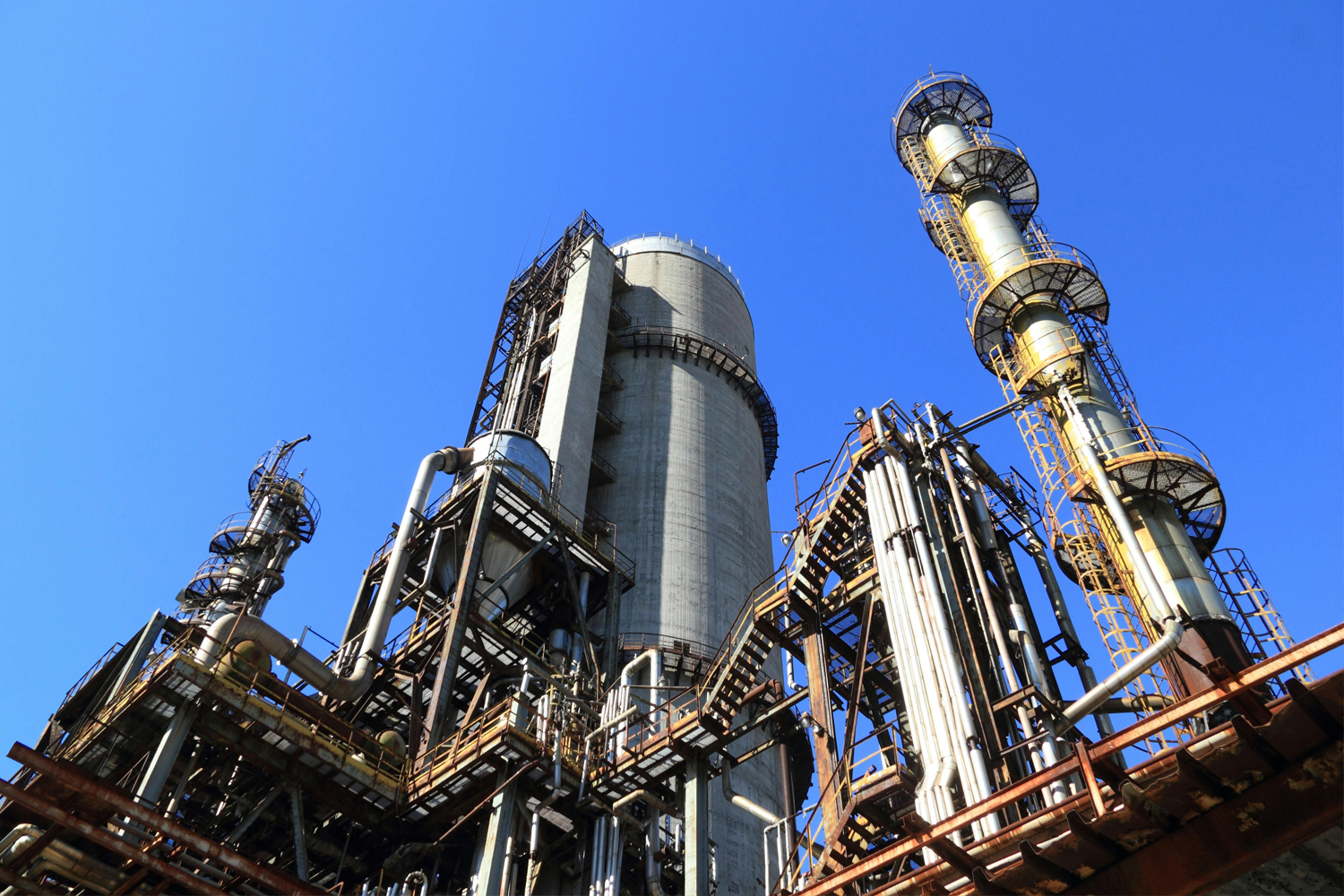




Manufacturing is entering a new phase in which traditional industrial expertise is increasingly combined with artificial intelligence, robotics, connected equipment, and advanced data analytics. Factories are evolving from production facilities built primarily around machinery and manual processes into interconnected environments capable of monitoring performance, identifying inefficiencies, and responding more intelligently to changing demand.
This transformation is often associated with Industry 4.0, a concept describing the integration of digital technologies into industrial operations. Connected sensors can collect information about equipment temperature, vibration, energy consumption, and production output. Analytical systems can then help operators recognise unusual patterns and identify potential problems before they result in significant downtime.
Predictive maintenance is one of the most practical applications. Conventional maintenance may rely on fixed schedules or repairs after equipment fails. Predictive approaches use equipment data and analytical models to estimate when maintenance may be needed. When implemented effectively, this can help reduce unplanned interruptions, improve asset utilisation, and support better planning. The results depend on reliable sensors, suitable data, and the ability to interpret predictions correctly.
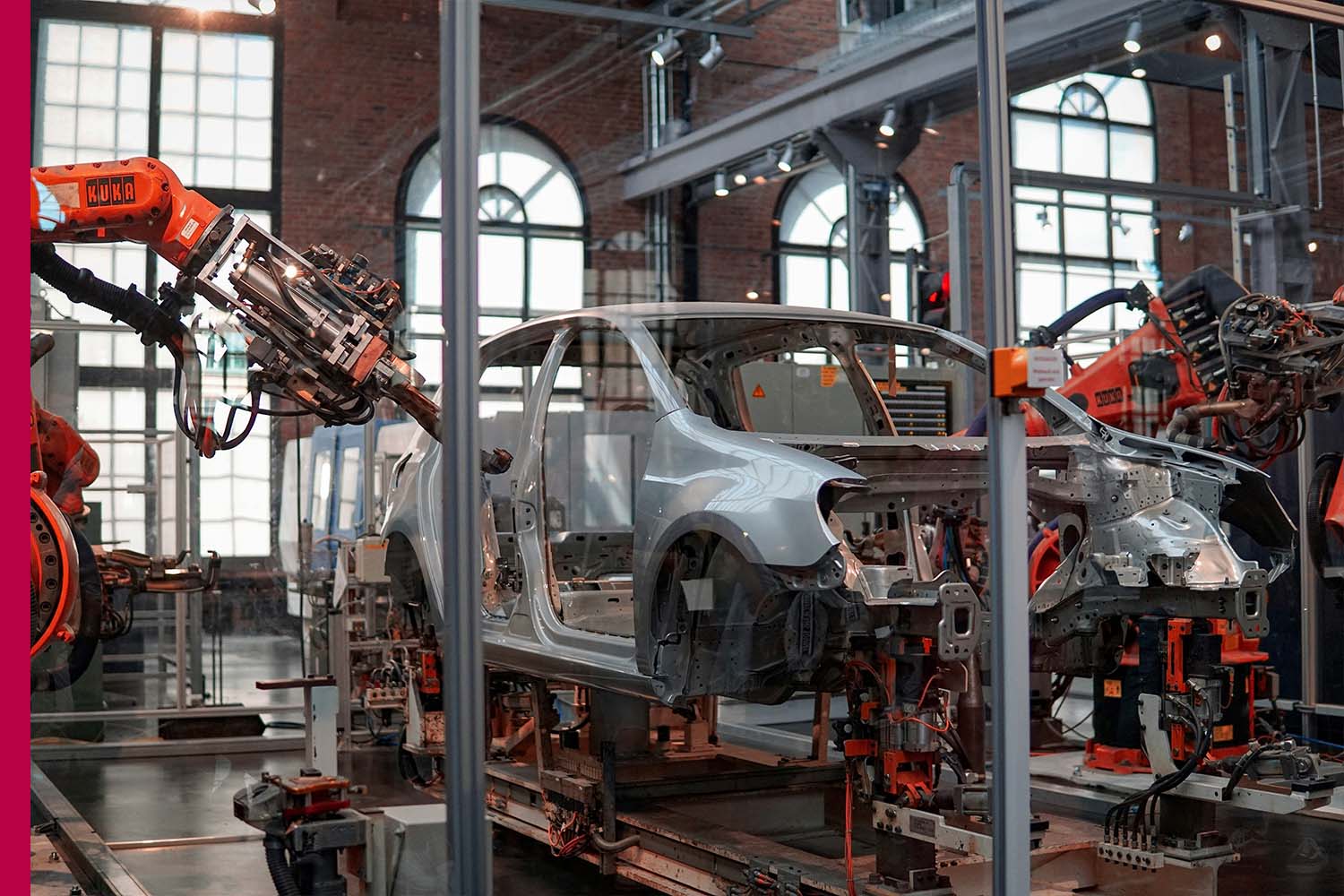
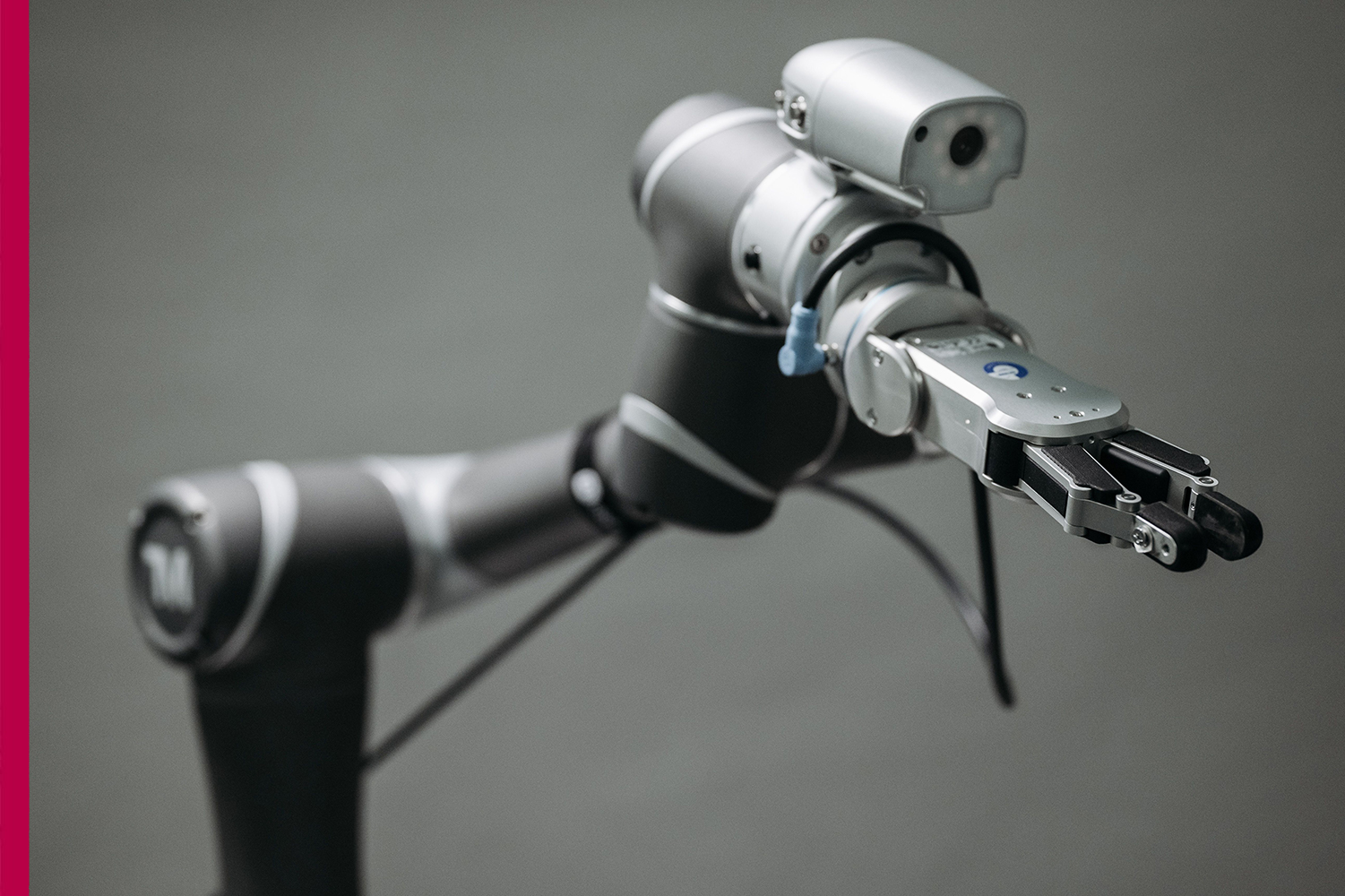
Robotics is also changing factory operations. Industrial robots can perform repetitive, physically demanding, or highly precise tasks, including selected assembly, packaging, welding, and material-handling activities. Collaborative robots are designed to work alongside people in certain environments, subject to appropriate safety measures. Rather than eliminating the need for human expertise, these technologies are changing the skills required to operate, supervise, and maintain modern production systems.
Digital twins represent another developing approach. A digital twin is a digital representation of a physical asset, process, or system that can be updated using relevant data. Manufacturers may use such models to examine performance, test possible changes, or understand how different operating conditions affect production. Their usefulness depends on model accuracy and the quality of the information supplied.
Sustainability is becoming increasingly important in manufacturing strategy. Energy-efficient equipment, improved material utilisation, waste reduction, and better production planning can help lower operating costs and reduce environmental impact. Some manufacturers are also exploring renewable electricity, recyclable materials, and circular production models. These efforts require measurable targets and lifecycle assessment to distinguish meaningful improvements from unsupported environmental claims.
India’s manufacturing sector has opportunities to benefit from digital transformation across automobiles, electronics, pharmaceuticals, textiles, machinery, and consumer products. Modern production systems can support quality consistency, traceability, and competitiveness. However, implementation may be challenging for smaller manufacturers that face limited budgets, skills shortages, or legacy equipment.
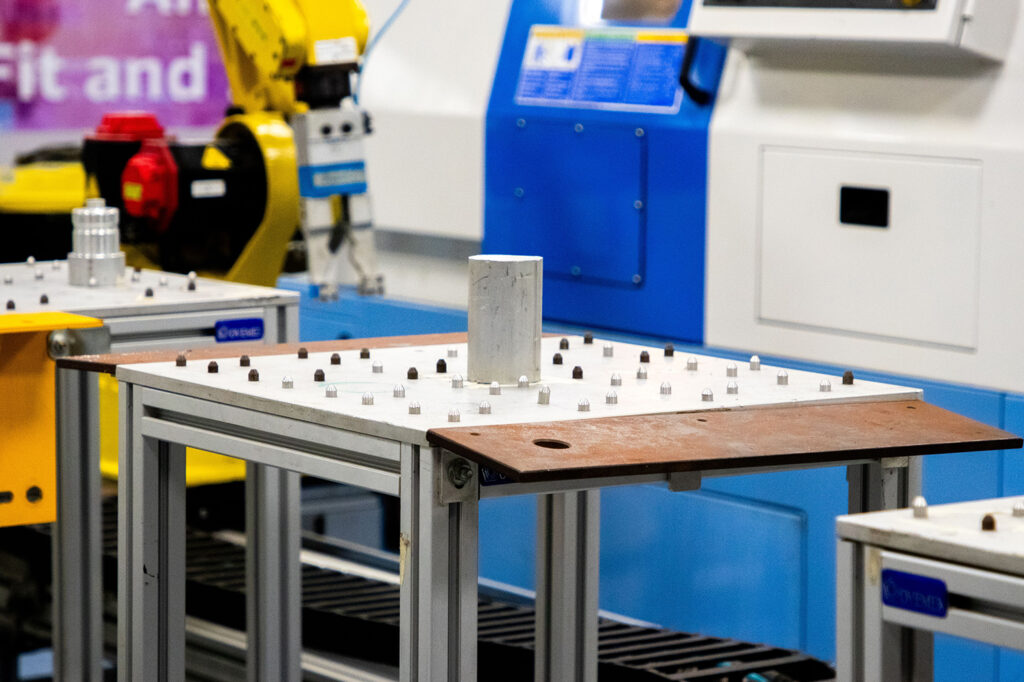
Workforce development is therefore essential. Employees may need training in robotics, data analysis, equipment diagnostics, cybersecurity, and digital quality management. Organisations that involve workers in the transformation process can identify practical problems earlier and make better use of existing expertise.
Cybersecurity is another priority. As production equipment becomes more connected, digital vulnerabilities can affect operational continuity and product quality. Manufacturers must secure networks, control access, maintain software, and prepare recovery plans.
Smart manufacturing is not achieved simply by installing advanced machines. It requires a coordinated strategy involving technology, people, processes, and measurable business objectives.
The factories of the future will be those that combine precision with adaptability, automation with human judgement, and productivity with responsibility. Their success will depend on how effectively they turn industrial data into better decisions and more reliable products.