





Fitness is increasingly being understood as a long-term investment in physical capability, mental wellbeing, and quality of life rather than simply a pursuit of appearance. As wearable devices, digital coaching platforms, personalised training programmes, and wellness communities become more accessible, people are exploring new ways to build sustainable habits. The modern fitness movement is shifting attention from short-term transformations toward consistency, recovery, and overall health.
One major development is the growing use of personalised training. Individuals differ in their experience, goals, physical abilities, schedules, and preferences. A programme designed for an experienced athlete may not suit a beginner, while someone returning to exercise after a long break may need a gradual approach. Personalised plans can help people select appropriate activities, monitor progress, and adapt training as their abilities change.
Wearable technology has made activity tracking increasingly common. Smartwatches and fitness bands can estimate steps, heart rate, exercise duration, and sleep patterns. These measurements may help users recognise routines and identify opportunities to become more active. However, wearable devices do not provide perfect measurements, and their estimates should not be treated as medical diagnoses. The most useful approach is to consider trends alongside personal experience and professional advice when needed.
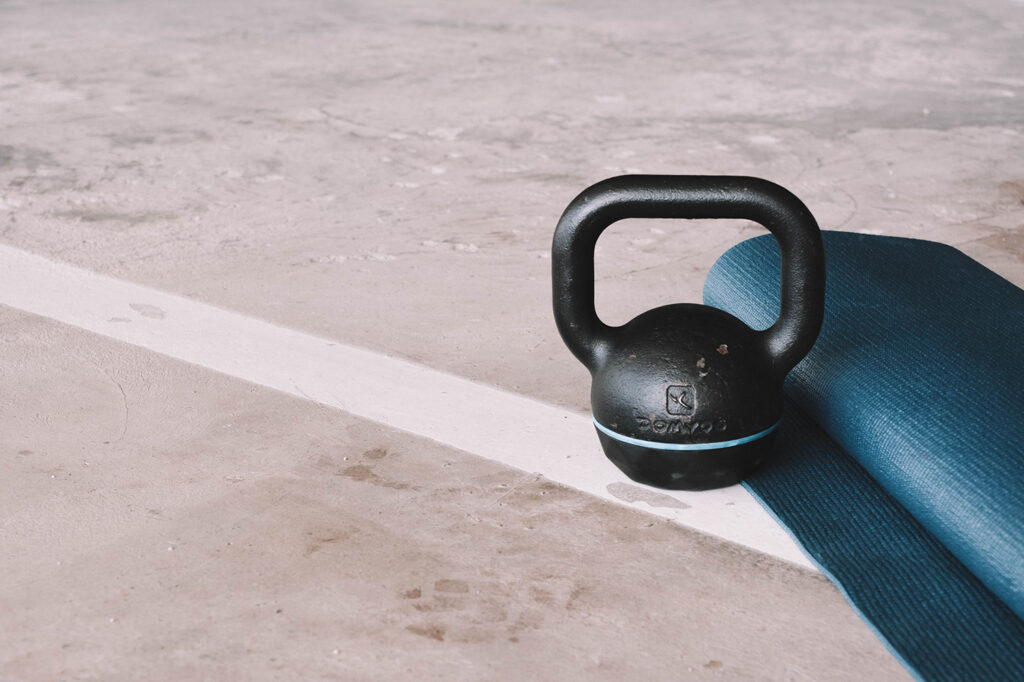
Strength training has also gained wider recognition as an important component of fitness. Appropriate resistance exercise can support muscle strength, physical function, and the ability to perform everyday activities. Cardiovascular activity, mobility exercises, and balance training contribute different benefits. A balanced routine can therefore be more useful than concentrating exclusively on one form of exercise.
Recovery is receiving greater attention as well. Rest, sleep, suitable nutrition, and gradual increases in training intensity help people maintain consistency. Exercising excessively without sufficient recovery may contribute to fatigue or injury. For this reason, effective fitness programmes recognise that progress is not determined by effort alone but also by how the body responds and adapts.
Mental wellbeing is another important part of the conversation. Physical activity can support mood, provide structure, and create opportunities for social interaction. Group classes, walking clubs, sports teams, and community fitness activities may help people remain motivated through shared experiences. Nevertheless, exercise is not a substitute for professional mental-health care when that care is needed.
Artificial intelligence is beginning to influence digital fitness coaching. Applications can help organise workouts, suggest modifications, and analyse activity patterns. Such tools may make guidance more convenient, but their recommendations should account for individual limitations and should not replace qualified professional assessment in situations involving injury, medical conditions, or complex training needs.
Accessibility remains essential. Fitness should not be limited to expensive gyms or specialised equipment. Walking, bodyweight exercises, cycling, dancing, and other accessible activities can help people build active routines according to their circumstances. Inclusive programmes should consider age, disability, financial constraints, and different levels of physical ability.
The fitness industry must also address misleading claims. Dramatic transformation promises, extreme diets, unverified supplements, and unrealistic social-media imagery can create unhealthy expectations. Consumers benefit from evidence-informed guidance and realistic goals rather than pressure to achieve rapid results.
For many people, the greatest challenge is not finding the perfect workout but maintaining a routine that fits everyday life. Short, regular sessions may be more sustainable than ambitious programmes that are difficult to follow consistently.
Ultimately, fitness is not a competition against other people or an endless pursuit of perfection. It is a personal process of building strength, improving capacity, and supporting long-term wellbeing.
The most successful fitness approach is one that can be sustained, adapted, and enjoyed—helping people feel stronger and live more active lives over time.