




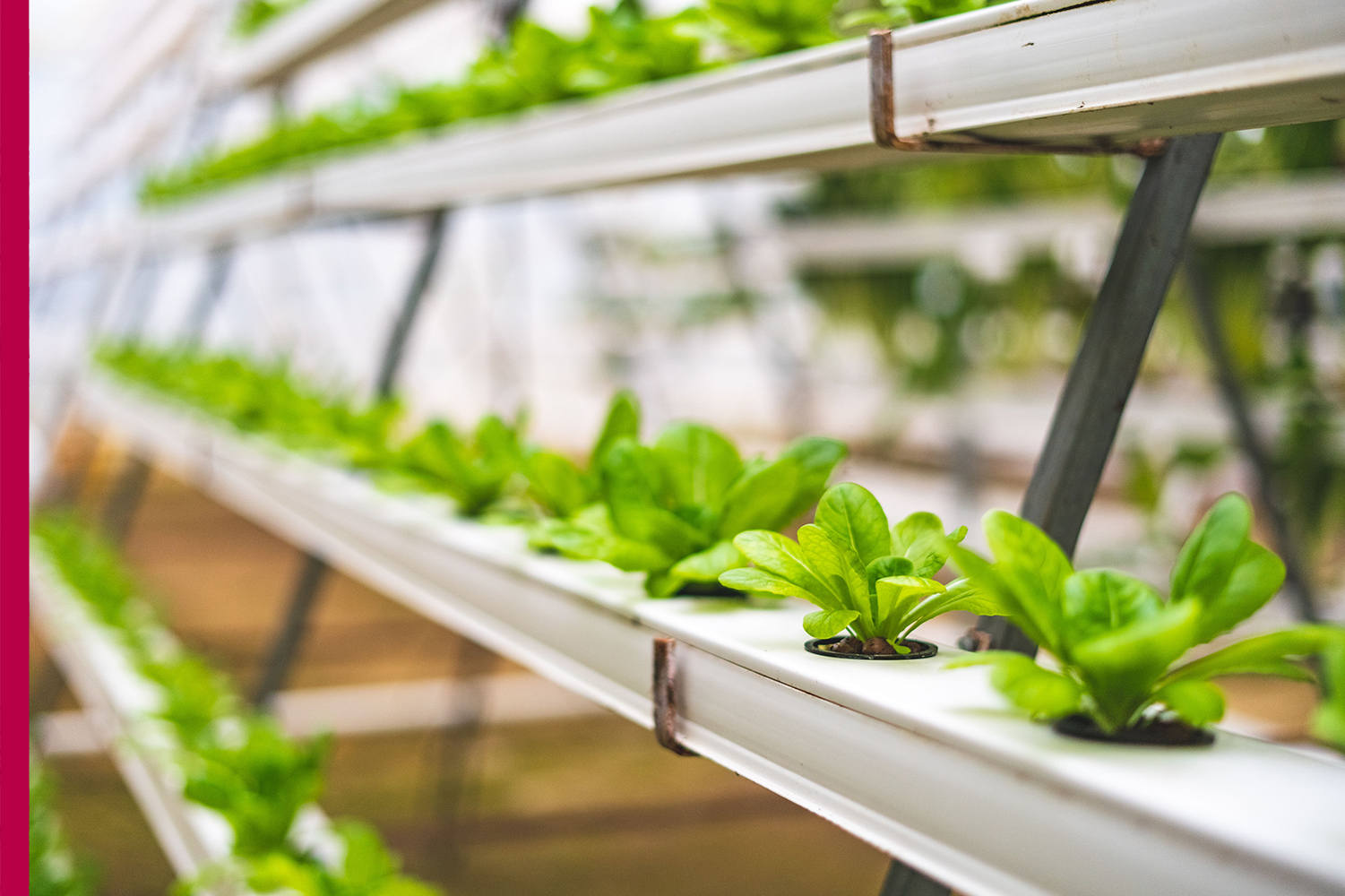
Food is one of humanity’s most fundamental needs, yet the systems responsible for producing, processing, distributing, and consuming it are undergoing significant change. Population growth, climate pressures, changing dietary preferences, and advances in technology are encouraging the food industry to rethink how it delivers nutrition. From precision agriculture and alternative proteins to intelligent supply chains and personalised nutrition, the future of food is increasingly connected to innovation, sustainability, and consumer wellbeing.
One of the most important developments is the growing emphasis on sustainable food production. Farmers and food manufacturers are exploring ways to use water, energy, fertilisers, and land more efficiently. Precision agriculture can help farmers monitor soil conditions and apply resources according to crop requirements. Improved storage, transportation, and packaging can also reduce losses between farms and consumers. These improvements are particularly important because food waste represents not only lost nutrition but also wasted labour, energy, and natural resources.
Alternative proteins are attracting attention as companies investigate additional ways to meet future food demand. Plant-based products, fermentation-derived ingredients, and cultivated-meat research represent different approaches to diversifying protein production. Their commercial success depends on taste, nutritional quality, affordability, consumer acceptance, and production efficiency. Rather than replacing every traditional food, these innovations may become additional options within a more diverse food system.
Technology is also changing how consumers discover and purchase food. Online grocery platforms, digital ordering, delivery services, and intelligent inventory systems have made food more accessible in many markets. Restaurants and retailers can use sales information to understand customer preferences and improve stock planning. However, the convenience of digital food services must be balanced with food safety, appropriate packaging, delivery reliability, and fair working conditions.
Personalised nutrition is another emerging area. Consumers are increasingly interested in foods that align with their health goals, cultural preferences, and dietary requirements. Advances in nutritional research may improve understanding of how different dietary patterns affect individuals. Nevertheless, nutrition is complex, and personalised recommendations should be based on credible evidence rather than exaggerated marketing claims. No single diet is automatically suitable for everyone.
Food safety remains a critical responsibility throughout the supply chain. Proper storage, hygienic processing, accurate labelling, and effective quality controls help protect consumers. Digital traceability systems may also help businesses track products and investigate contamination incidents more efficiently. Technology can strengthen oversight, but reliable procedures and trained personnel remain essential.

In India, food innovation has particular significance because of the country’s agricultural diversity, culinary heritage, and large consumer market. Opportunities exist in food processing, cold-chain infrastructure, millet-based products, regional ingredients, ready-to-cook foods, and value-added agricultural products. Supporting small producers and local enterprises can help connect traditional food knowledge with modern markets.
At the same time, affordability and nutrition must remain central considerations. Sustainable products and advanced food technologies will have limited social impact if they remain inaccessible to large sections of the population. Improving access to nutritious food requires coordinated efforts across agriculture, distribution, public policy, education, and healthcare.
The future of food will be shaped by how effectively the industry combines scientific progress with cultural understanding and environmental responsibility. Consumers may welcome convenience and variety, but they will continue to depend on safety, quality, and trust.
Ultimately, food innovation is not simply about creating new products. It is about building food systems that nourish people, support producers, reduce avoidable waste, and remain resilient in a changing world.