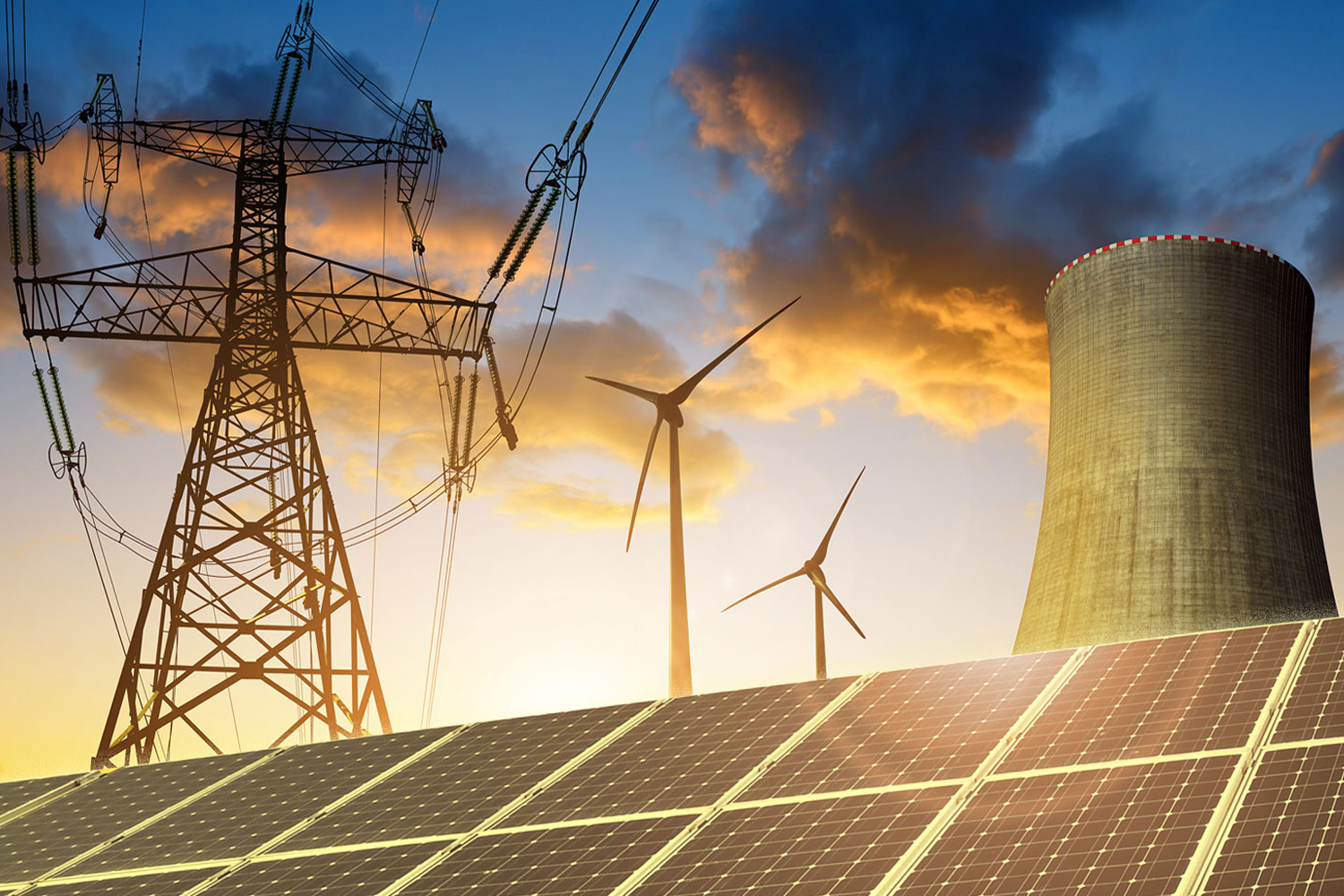




Wind energy has emerged as one of the most promising renewable energy sources in the global transition toward sustainability. As concerns about climate change, fossil fuel depletion, and environmental degradation continue to grow, wind power offers a clean and abundant alternative. By converting the kinetic energy of wind into electricity, this technology is helping countries reduce carbon emissions and move toward greener energy systems.
The potential of wind energy lies in its vast availability. Wind is a natural resource that is both renewable and widely distributed across the planet. Coastal regions, open plains, and high-altitude areas often experience strong and consistent winds, making them ideal locations for wind farms. Advances in turbine technology have also made it possible to harness wind energy even in areas with lower wind speeds, expanding its reach and applicability.
One of the key advantages of wind energy is its environmental benefits. Unlike fossil fuels, wind power generation produces no greenhouse gas emissions during operation. This makes it an essential component in efforts to combat global warming and reduce air pollution. By investing in wind energy, countries can significantly lower their carbon footprint while meeting growing energy demands.
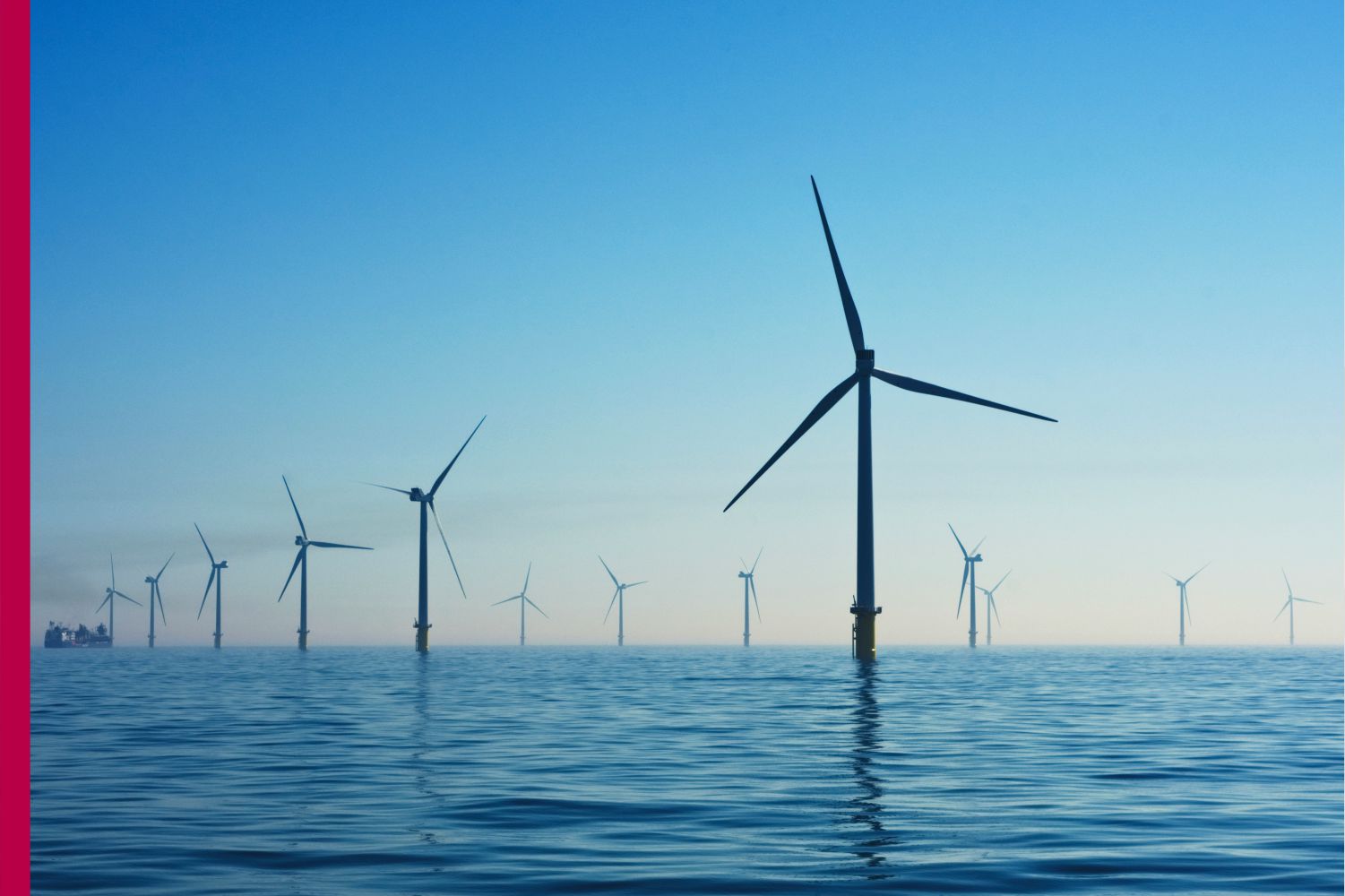
Technological advancements have played a crucial role in unlocking the full potential of wind energy. Modern wind turbines are more efficient, durable, and capable of generating higher amounts of electricity. Offshore wind farms, in particular, are gaining attention due to their ability to capture stronger and more consistent winds at sea. These developments are increasing energy output and making wind power more cost-effective.
Economic benefits also contribute to the growth of wind energy. The development of wind farms creates jobs in manufacturing, installation, maintenance, and research. It also reduces dependence on imported fuels, enhancing energy security for many nations. As the cost of wind energy continues to decline, it is becoming increasingly competitive with traditional energy sources.
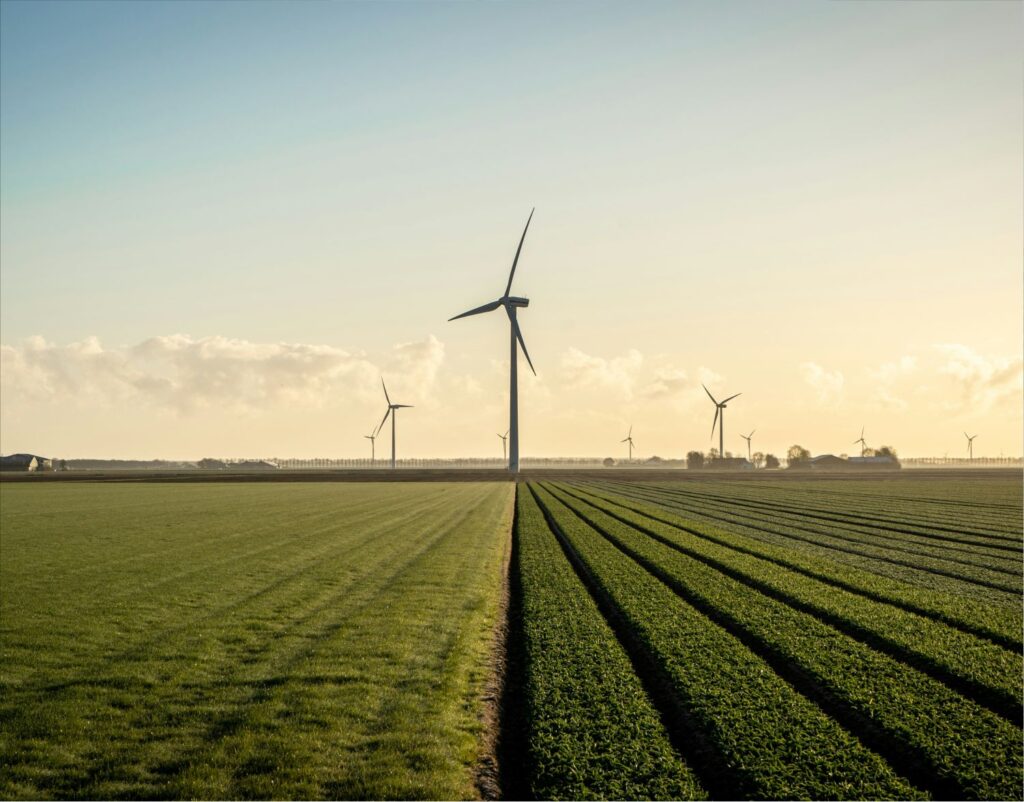
In countries like India, wind energy holds significant potential due to favorable geographical conditions. Several states have already established large wind farms, contributing to the country’s renewable energy capacity. Government policies and incentives are further encouraging investment in this sector, accelerating its growth.
Despite its advantages, wind energy faces certain challenges. The intermittent nature of wind means that energy generation can fluctuate, requiring efficient storage solutions and grid management. Additionally, the installation of wind turbines requires significant land or sea space, and concerns about noise and impact on wildlife must be addressed.
To overcome these challenges, ongoing research is focused on improving energy storage technologies and integrating wind power with other renewable sources such as solar energy. Hybrid systems and smart grids are being developed to ensure a stable and reliable energy supply.
In conclusion, wind energy has immense potential to contribute to a sustainable and low-carbon future. With its environmental, economic, and technological advantages, it is becoming a key pillar of global energy strategies. As innovation continues and investments grow, wind energy is set to play an increasingly important role in meeting the world’s energy needs while protecting the environment.