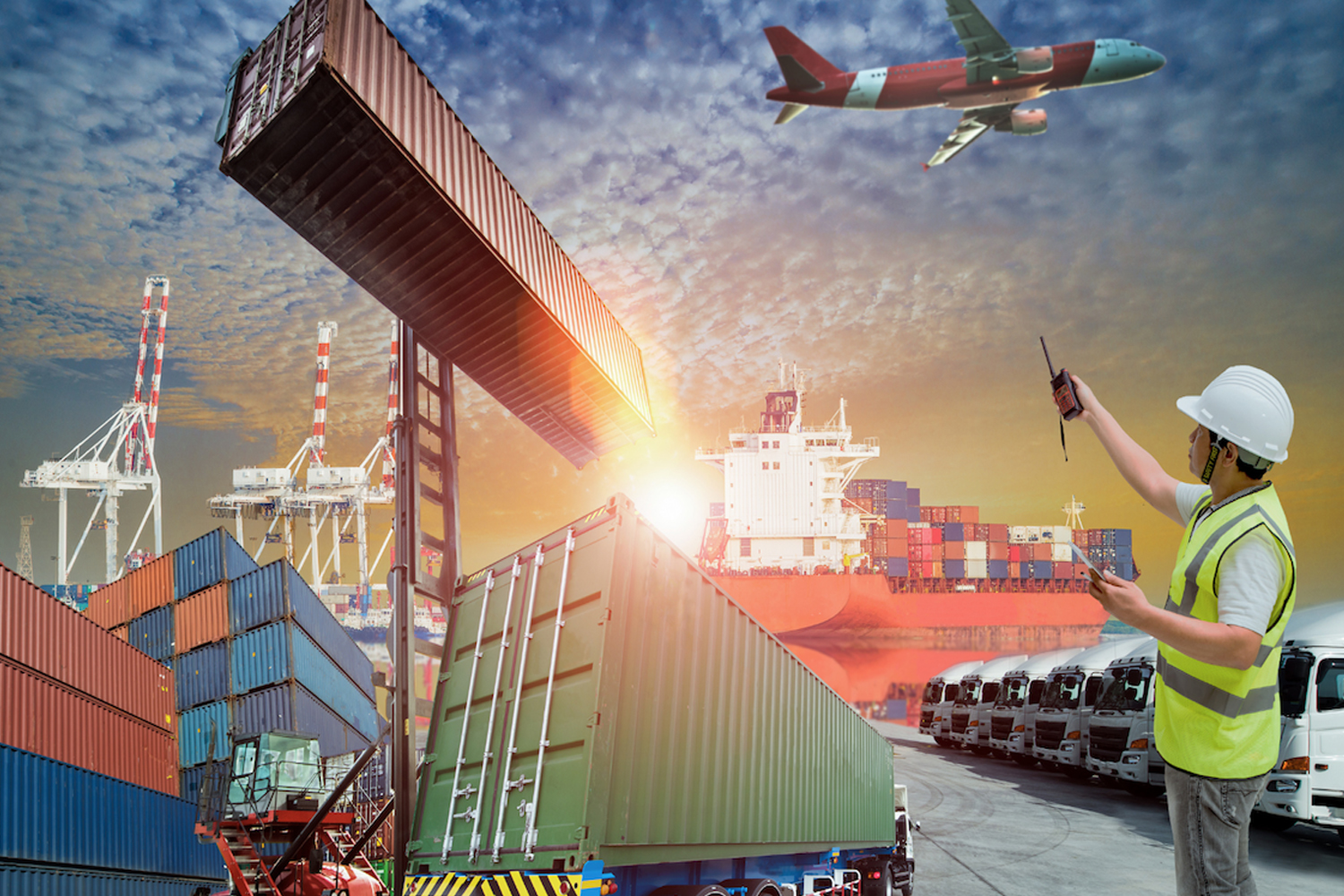




The logistics industry is undergoing a remarkable transformation driven by technological advancements, changing consumer expectations, globalization, and sustainability initiatives. As the backbone of global trade and commerce, logistics plays a critical role in moving goods efficiently from manufacturers to consumers. The future of the logistics industry is expected to be shaped by automation, Artificial Intelligence (AI), data analytics, smart transportation systems, and environmentally sustainable practices, creating a faster, more efficient, and more connected supply chain ecosystem.
One of the most significant trends influencing the future of logistics is digital transformation. Companies are increasingly adopting advanced technologies to streamline operations, improve visibility, and reduce costs. Artificial Intelligence and machine learning are being used to optimize route planning, predict demand, manage inventory, and enhance decision-making. These technologies enable logistics providers to analyze vast amounts of data and make real-time adjustments to improve efficiency and customer satisfaction.
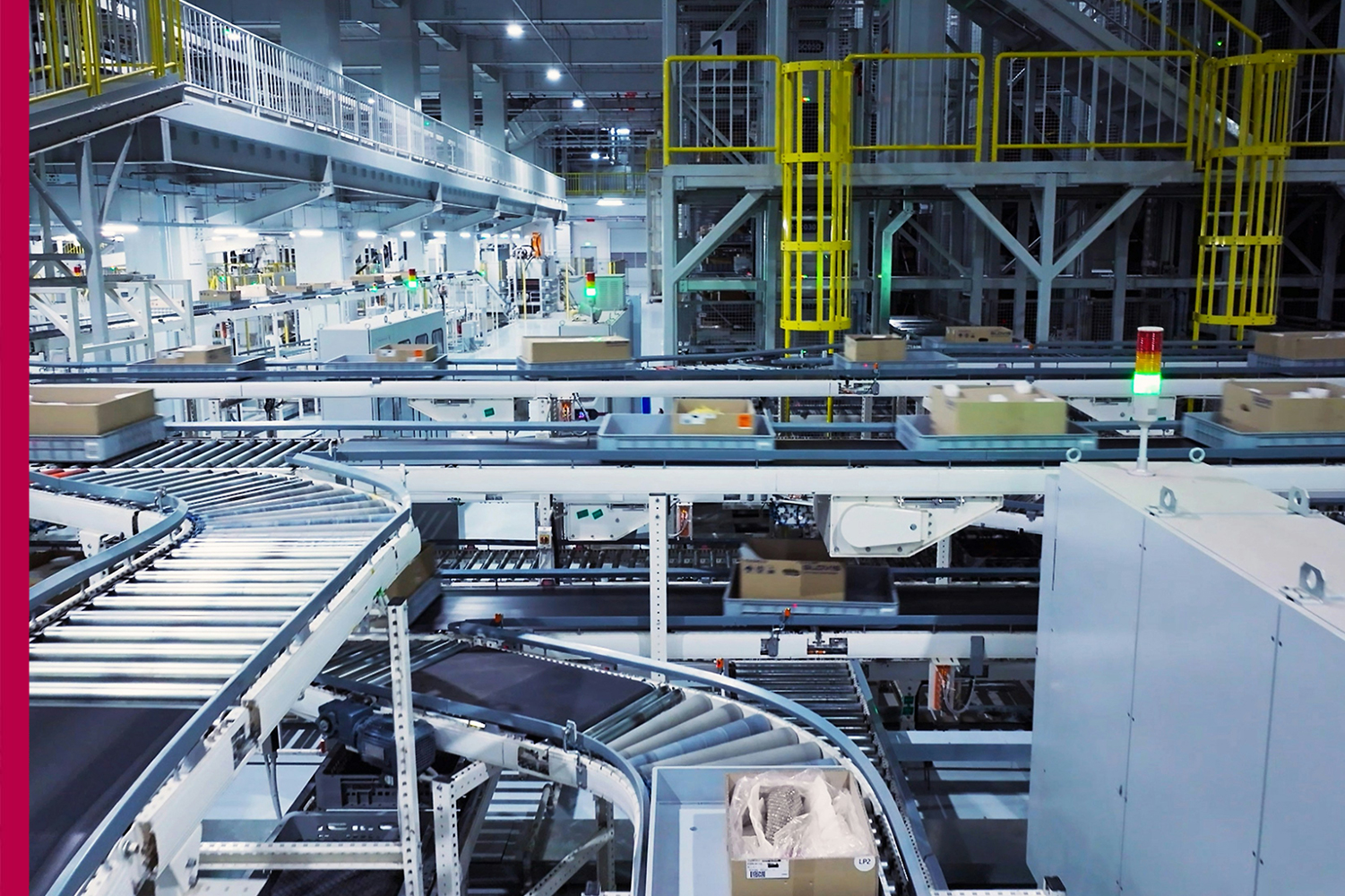
Automation is another key driver of change in the logistics sector. Automated warehouses equipped with robotic systems are becoming increasingly common. These robots can sort, pack, and move products with greater speed and accuracy than traditional manual processes. Automation not only improves productivity but also helps address labor shortages and reduce operational costs. In the coming years, autonomous delivery vehicles and drones may further revolutionize last-mile delivery services.
The growth of e-commerce continues to reshape logistics operations worldwide. Consumers now expect faster delivery times, real-time tracking, and seamless shopping experiences. To meet these demands, logistics companies are investing in smart distribution centers, advanced tracking systems, and integrated supply chain technologies. Same-day and next-day delivery services are becoming more common, pushing businesses to develop more agile and responsive logistics networks.
Data analytics and the Internet of Things (IoT) are also transforming the industry. Connected devices and sensors can monitor shipments, track vehicle performance, and provide real-time information about product conditions during transportation. This enhanced visibility helps companies improve supply chain efficiency, reduce delays, and ensure product quality. Predictive analytics can also help identify potential disruptions before they occur, allowing businesses to take proactive measures.
Sustainability is becoming a major priority in the future of logistics. Governments, businesses, and consumers are increasingly concerned about carbon emissions and environmental impact. Logistics companies are adopting eco-friendly practices such as electric delivery vehicles, alternative fuels, optimized transportation routes, and energy-efficient warehouses. Green logistics initiatives not only reduce environmental impact but also improve operational efficiency and brand reputation.
Globalization will continue to influence logistics development. As international trade expands, businesses require more sophisticated supply chain solutions to manage cross-border operations effectively. Digital platforms, blockchain technology, and advanced customs processing systems are helping simplify international logistics and improve transparency across global supply chains.
Despite these advancements, the industry faces several challenges. Supply chain disruptions, cybersecurity risks, infrastructure limitations, and fluctuating fuel costs remain significant concerns. Logistics companies must invest in resilience, digital security, and workforce development to adapt to an increasingly complex business environment.
Workforce transformation will also play an important role in the future of logistics. Employees will need new skills related to technology management, data analysis, automation systems, and digital operations. Continuous training and professional development will be essential to support the industry’s evolving requirements.
In conclusion, the future of the logistics industry will be defined by innovation, automation, sustainability, and global connectivity. Emerging technologies and smarter supply chain solutions are creating opportunities for greater efficiency, reliability, and customer satisfaction. As the industry continues to evolve, logistics providers that embrace digital transformation and sustainable practices will be best positioned to thrive in the increasingly competitive global marketplace.