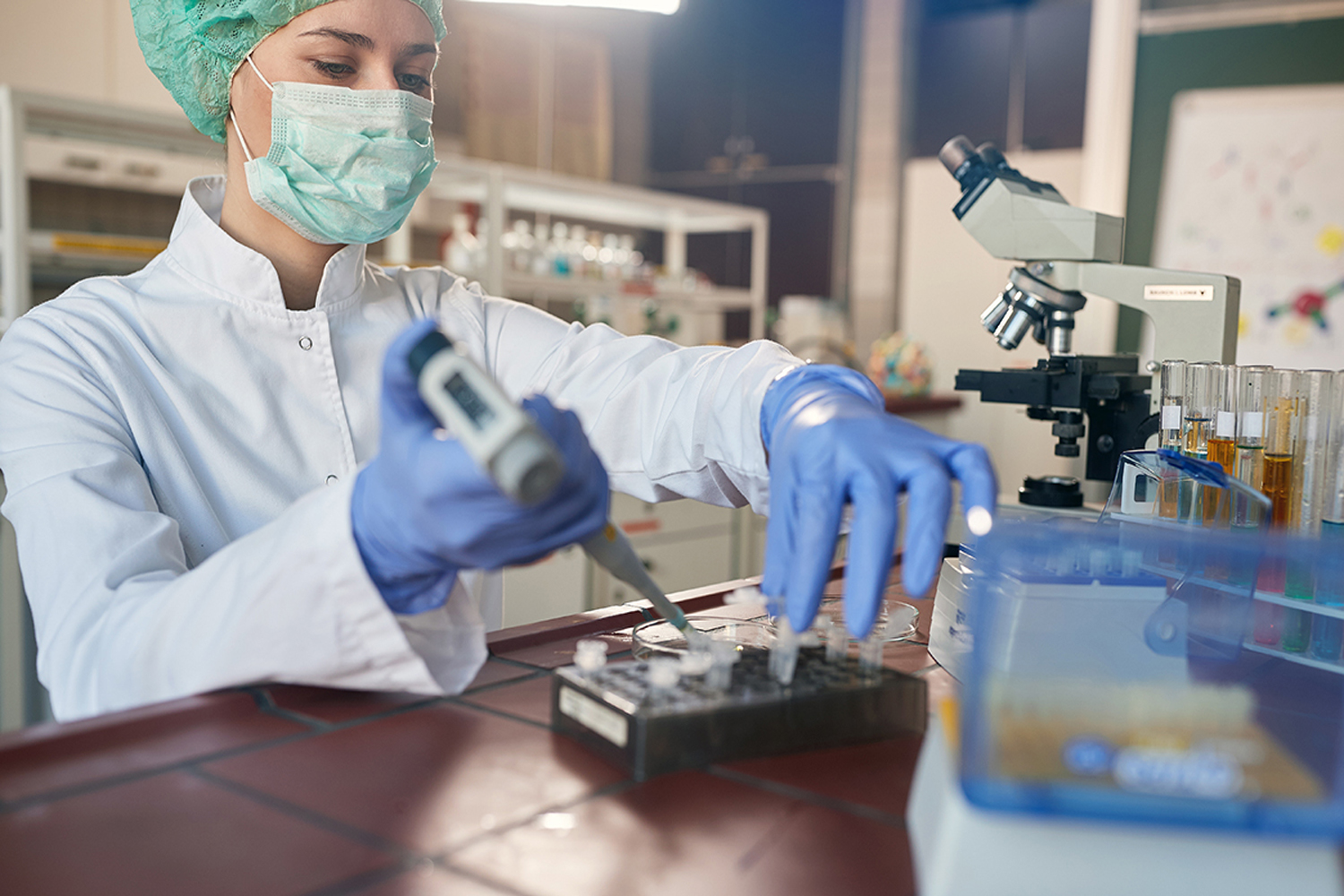




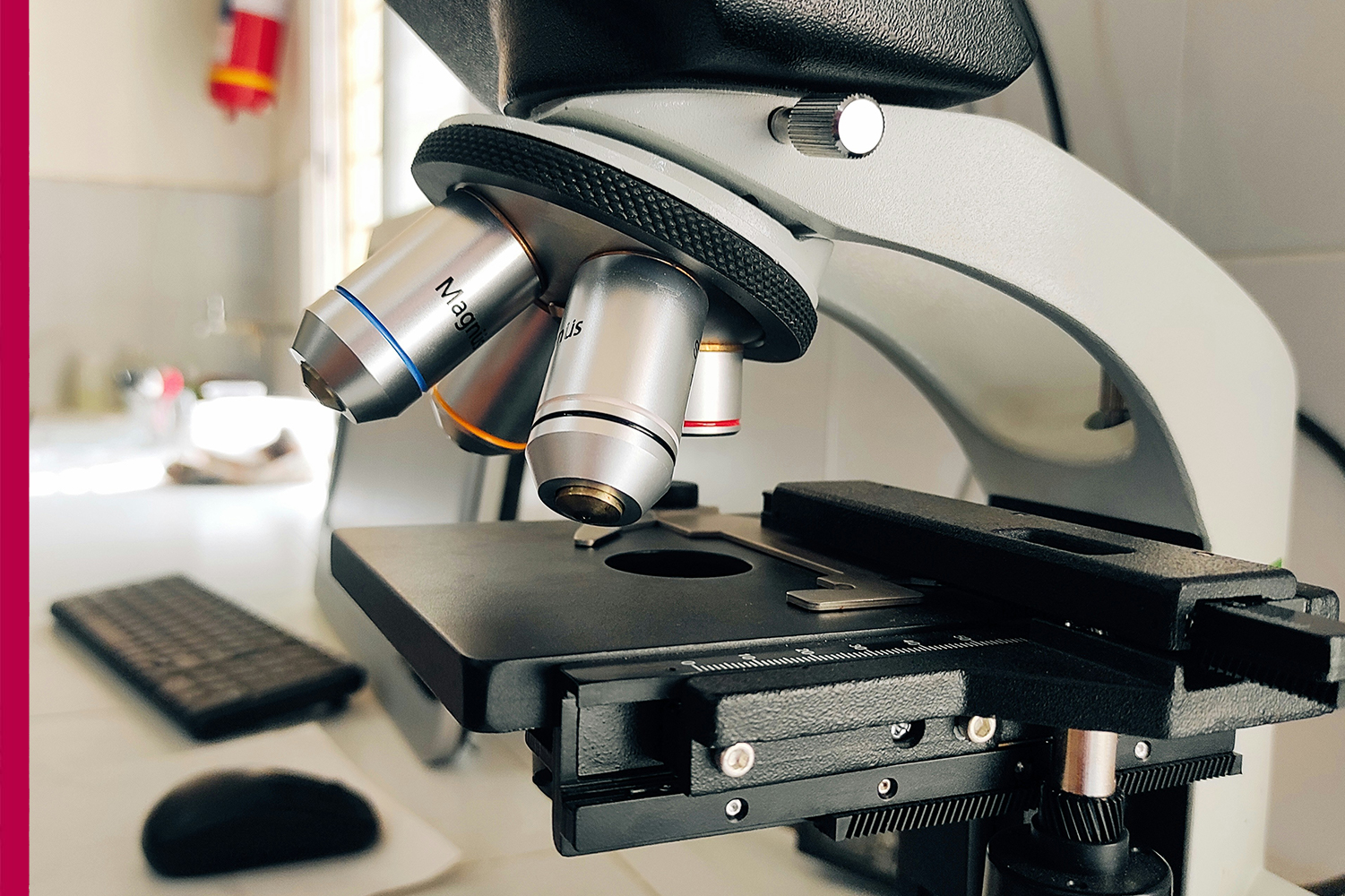
The integration of biotechnology and life sciences is transforming industries across the globe, creating groundbreaking innovations in healthcare, agriculture, environmental sustainability, and industrial production. Biotechnology involves the use of biological systems, organisms, or processes to develop products and technologies, while life sciences encompass the study of living organisms and biological systems. Together, these fields are revolutionizing the way scientists understand life, treat diseases, improve food production, and address some of the world’s most pressing challenges.
One of the most significant areas benefiting from biotechnology and life sciences integration is healthcare. Advances in genetics, molecular biology, and bioinformatics have enabled researchers to develop more precise diagnostic tools and personalized treatment approaches. Personalized medicine uses genetic information to tailor treatments to individual patients, improving effectiveness and reducing side effects. This approach is particularly valuable in treating complex diseases such as cancer, cardiovascular disorders, and rare genetic conditions.
The development of innovative therapies has been accelerated through biotechnology. Gene therapy, stem cell research, regenerative medicine, and biologic drugs are providing new treatment options for previously untreatable diseases. Scientists are now able to modify genes, repair damaged tissues, and create targeted therapies that improve patient outcomes. These advancements are helping transform healthcare from a reactive system focused on treating illness to a proactive model emphasizing prevention and precision care.
The COVID-19 pandemic highlighted the importance of biotechnology and life sciences collaboration. Rapid vaccine development, advanced diagnostic testing, and genomic research demonstrated how integrated scientific efforts can respond effectively to global health emergencies. Technologies such as messenger RNA (mRNA) vaccines showcased the potential of biotechnology to accelerate medical innovation and improve public health responses.
Agriculture is another sector experiencing significant benefits from biotechnology integration. Scientists are developing crops that are more resistant to pests, diseases, and extreme weather conditions. Biotechnology helps improve crop yields, nutritional content, and sustainability while reducing dependence on chemical pesticides and fertilizers. As the global population continues to grow, these innovations will play a crucial role in ensuring food security and sustainable agricultural practices.
Environmental sustainability is also being enhanced through biotechnology applications. Researchers are developing biological solutions for waste management, pollution control, and renewable energy production. Microorganisms can be used to clean contaminated soil and water, while biofuels derived from organic materials offer alternatives to fossil fuels. Biotechnology supports efforts to reduce environmental impact while promoting sustainable resource management.
The integration of biotechnology with digital technologies has further expanded possibilities. Artificial Intelligence (AI), big data analytics, and bioinformatics enable scientists to process vast amounts of biological information quickly and accurately. These tools help researchers identify disease patterns, accelerate drug discovery, and improve scientific understanding of complex biological systems. Digital transformation is making research more efficient and opening new opportunities for innovation.
Despite its many benefits, biotechnology and life sciences integration also raises important ethical and regulatory considerations. Genetic engineering, gene editing, data privacy, and biological research require careful oversight to ensure safety and responsible use. Policymakers, scientists, and industry leaders must work together to establish regulations that encourage innovation while protecting public interests.
Investment in research and development continues to drive growth in biotechnology and life sciences. Governments, academic institutions, and private companies are collaborating to advance scientific discoveries and commercialize innovative solutions. This collaboration is creating new career opportunities and contributing to economic development worldwide.
In conclusion, the integration of biotechnology and life sciences is shaping the future of healthcare, agriculture, environmental sustainability, and scientific research. By combining biological knowledge with advanced technologies, these fields are solving complex challenges and improving quality of life. As innovation continues to accelerate, biotechnology and life sciences will remain at the forefront of global progress and sustainable development.