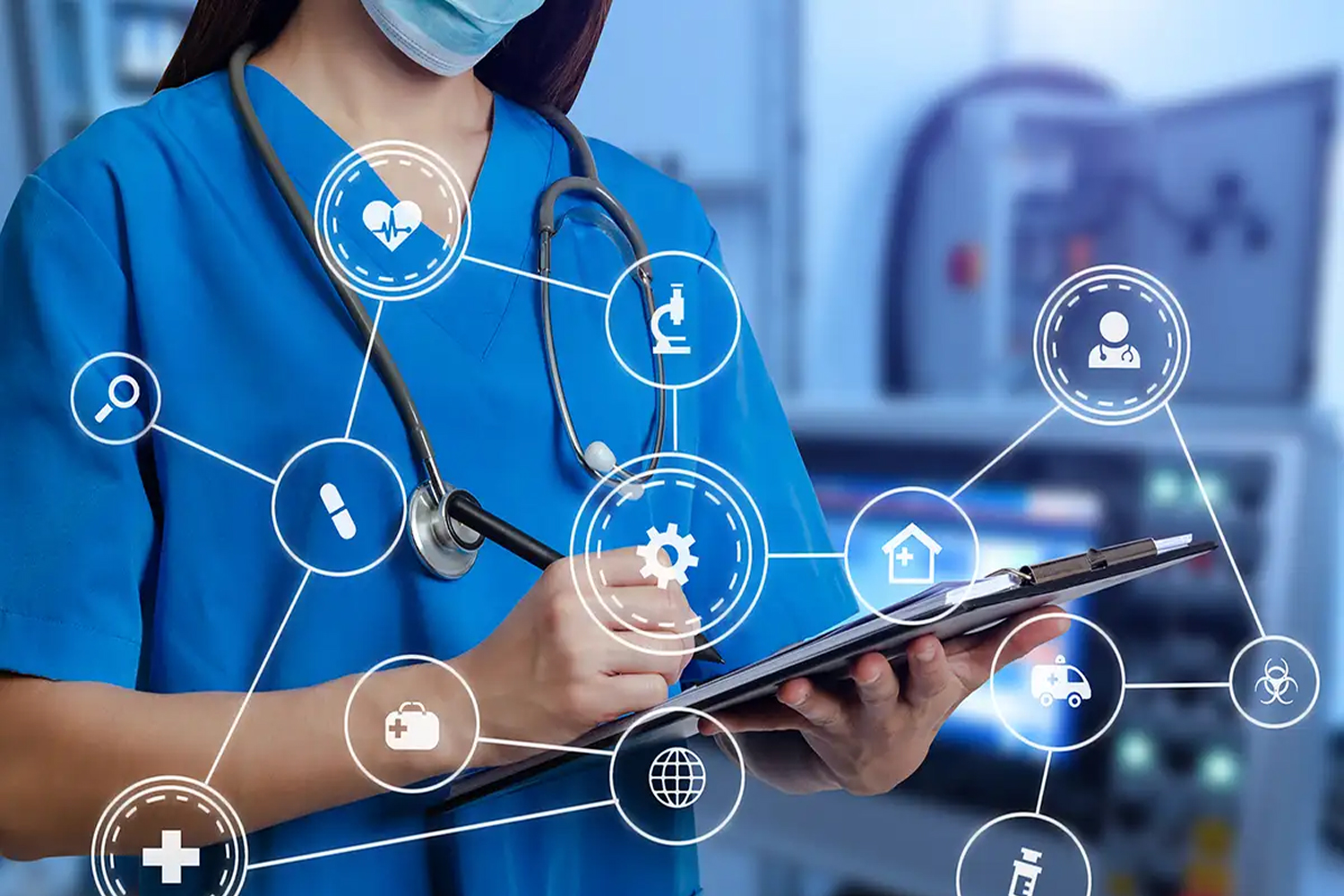








Hospital management is evolving rapidly as healthcare systems adapt to technological advancements, patient expectations, and operational challenges. Modern hospitals are no longer just centers for treatment; they are complex organizations that require efficient management, advanced systems, and patient-centric approaches. Emerging trends in hospital management are reshaping how healthcare services are delivered, improving both efficiency and patient outcomes.
One of the most significant trends is the adoption of digital health technologies. Hospitals are increasingly implementing electronic health records (EHRs), which allow seamless storage and access to patient data. These systems improve coordination among healthcare professionals, reduce paperwork, and enhance accuracy in diagnosis and treatment. Digital records also enable better tracking of patient history, leading to more informed decision-making.
Telemedicine is another key development in hospital management. By allowing patients to consult doctors remotely, telemedicine reduces the need for physical visits and improves access to healthcare services, especially for those in remote areas. This trend gained momentum during the pandemic and continues to be an essential component of modern healthcare systems. It helps hospitals manage patient loads more effectively while ensuring timely care.
Patient-centric care is becoming a central focus in hospital management. Hospitals are prioritizing patient experience by improving communication, reducing waiting times, and offering personalized treatment plans. Feedback systems and patient engagement tools are being used to understand and address patient needs. This approach not only improves satisfaction but also builds trust and loyalty.
Automation and artificial intelligence are transforming hospital operations. From appointment scheduling to diagnostic support, AI-driven systems are enhancing efficiency and accuracy. Automated workflows reduce administrative burdens, allowing healthcare professionals to focus more on patient care. AI is also being used in predictive analytics to identify potential health risks and optimize resource allocation.
Another important trend is the integration of data analytics in hospital management. Hospitals are using data to monitor performance, track patient outcomes, and identify areas for improvement. This data-driven approach enables better planning, cost management, and quality control. It also supports evidence-based decision-making, leading to improved healthcare delivery.
Sustainability is gaining importance in hospital management. Healthcare facilities are adopting eco-friendly practices such as energy-efficient systems, waste management, and reduced use of harmful materials. These initiatives not only lower operational costs but also contribute to environmental conservation.
Workforce management is also evolving to address the challenges of staffing and burnout. Hospitals are focusing on training, well-being, and efficient scheduling of healthcare professionals. Ensuring a supportive work environment is essential for maintaining high-quality care and reducing staff turnover.
In countries like India, hospital management trends are influenced by the need to serve a large and diverse population. Investments in infrastructure, digital health, and public-private partnerships are helping improve healthcare accessibility and quality.
Despite these advancements, challenges such as high costs, regulatory compliance, and data security remain. Hospitals must continuously adapt to changing regulations and ensure the protection of sensitive patient information.
In conclusion, hospital management trends are driving a shift toward more efficient, technology-driven, and patient-focused healthcare systems. By embracing innovation and improving operational strategies, hospitals can deliver better care while meeting the growing demands of modern healthcare. These trends are shaping the future of healthcare, making it more accessible, efficient, and responsive to patient needs.