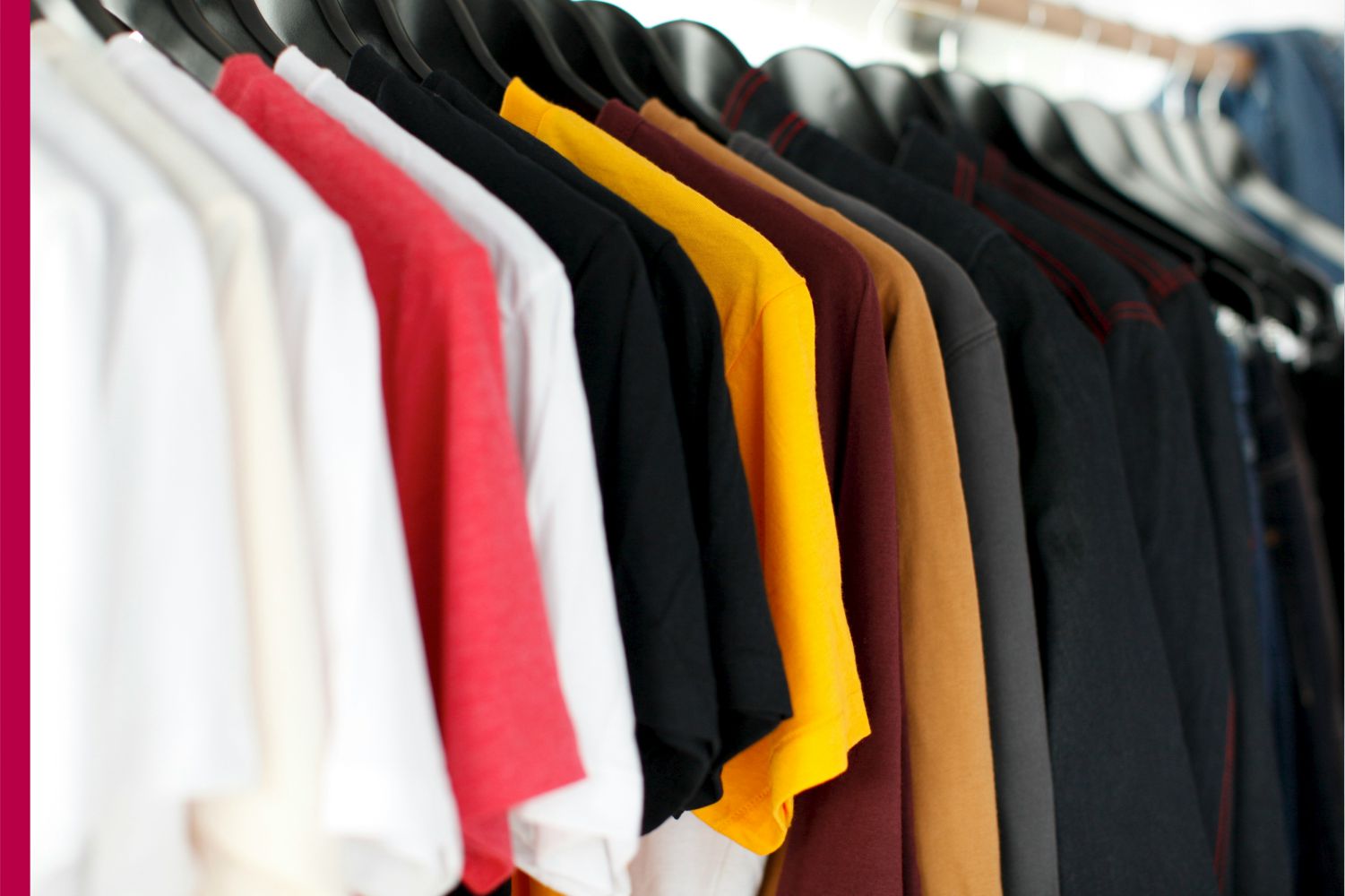





Clothing is one of the most familiar parts of everyday life, yet the apparel industry represents a remarkably complex global system. It connects farmers who grow natural fibres, manufacturers who produce fabrics, designers who shape collections, workers who assemble garments, retailers who reach customers, and logistics networks that move products across markets. Beyond its commercial importance, apparel reflects identity, culture, craftsmanship, and changing ideas about how people wish to present themselves.
The industry has evolved alongside society. Traditional clothing often carried regional meanings, reflected local climates, and relied on skills passed down through generations. Industrial production made garments available to wider populations, while global trade expanded the range of styles, materials, and price points accessible to consumers. Today, digital platforms and social media influence how trends emerge, how brands communicate, and how quickly consumer preferences can change.
Design remains central to apparel, but it involves far more than appearance. Successful garments must balance comfort, function, durability, fit, materials, cost, and intended use. Designers and product developers consider how clothing will be manufactured, how it will perform, and whether it meets the expectations of its target audience. Increasingly, they must also consider environmental impact and the conditions under which products are made.
Technology is changing many stages of the apparel process. Computer-aided design, digital sampling, automated cutting, and data-driven demand planning can help businesses reduce development time and limit unnecessary production. Online retail allows brands to reach customers directly, while digital tools can help consumers explore styles and sizes. These developments create opportunities for both established manufacturers and smaller businesses, although success still depends on product quality, reliable operations, and customer trust.
Sustainability has become one of the industry’s most important challenges. Clothing production can require substantial quantities of water, energy, raw materials, and chemicals. Large volumes of discarded garments also raise concerns about waste and the short life cycle of some fashion products. Businesses are exploring recycled fibres, durable designs, repair services, resale models, improved production methods, and more responsible material sourcing. No single solution addresses every environmental concern, but thoughtful design and longer garment life can form part of a more responsible approach.

The people behind apparel deserve equal attention. Garment workers, artisans, pattern makers, technicians, and supply-chain employees contribute skills that are often invisible to the final consumer. Fair working conditions, safe workplaces, transparent sourcing, and responsible purchasing practices are important to building a healthier industry. Brands that communicate honestly about their products and production methods can help consumers make more informed choices.
Apparel also creates opportunities for entrepreneurship. Independent designers, tailoring businesses, local manufacturers, textile innovators, and online brands can serve specific communities or develop distinctive products. Regional craftsmanship can reach wider audiences when supported by good design, dependable production, and effective storytelling.
Ultimately, the future of apparel will be shaped by the relationship between creativity, commerce, technology, and responsibility. Clothing will continue to express individuality and cultural heritage, but the industry must also respond to questions about waste, labour, affordability, and resource use.
What people wear may change with seasons and trends. The lasting value of apparel, however, lies in its ability to combine personal expression with skilled work, practical design, and respect for the people and resources that bring every garment to life.