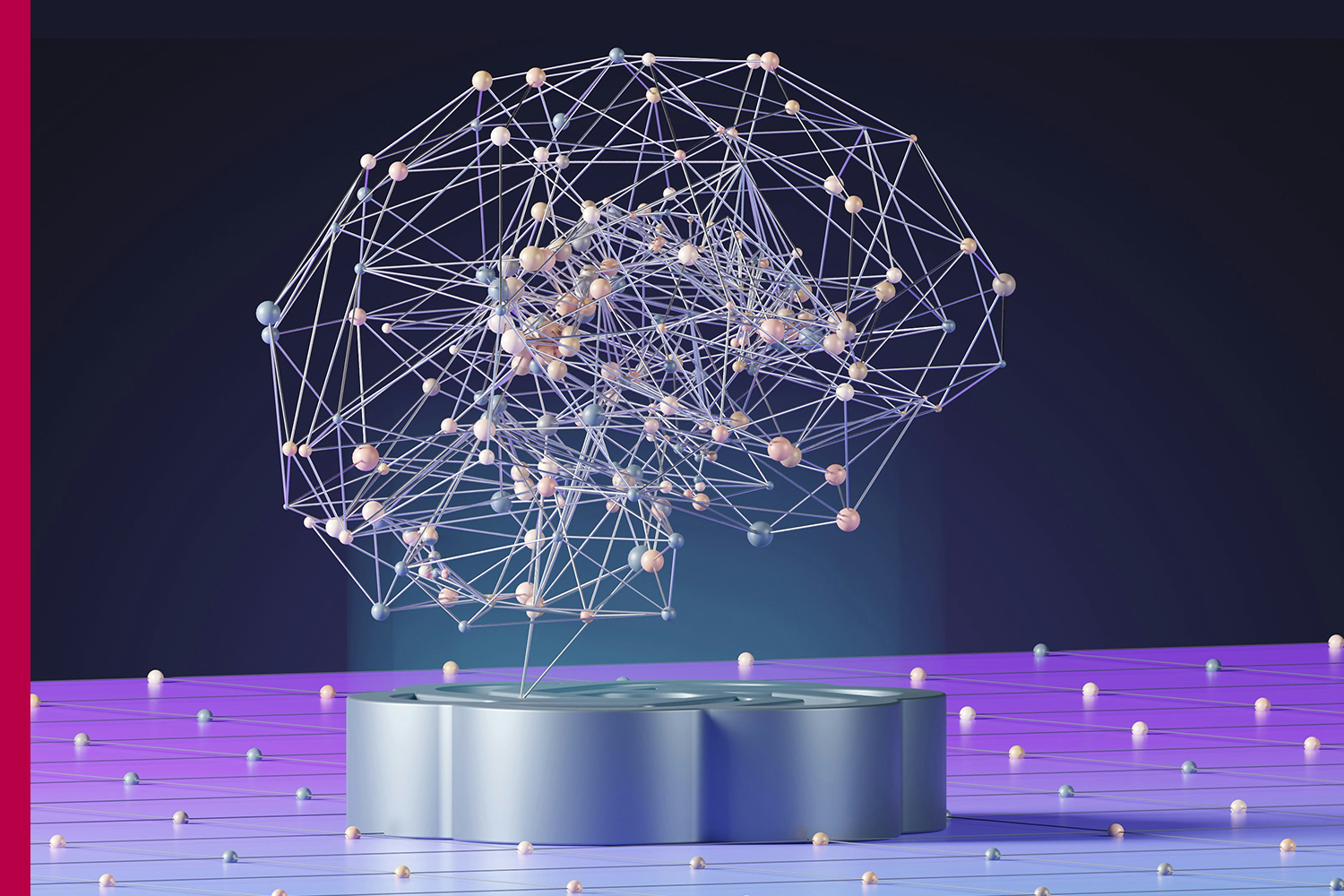




Artificial intelligence has moved from the pages of science fiction into everyday life. It helps people navigate unfamiliar roads, filter unwanted messages, translate languages, discover information, analyse complex data, and interact with digital services. In workplaces, research laboratories, hospitals, classrooms, and manufacturing facilities, AI is changing how tasks are performed and how decisions are supported.
At its core, artificial intelligence refers to computer systems designed to carry out tasks associated with capabilities such as recognising patterns, processing language, generating content, making predictions, or supporting decisions. Different systems perform different functions, and their effectiveness depends on how they are designed, trained, evaluated, and used.
One of AI’s greatest strengths is its ability to process large volumes of information at speed. In healthcare, selected AI tools can help researchers examine medical images or identify patterns in clinical data, although professional oversight remains essential. In agriculture, predictive systems may assist with crop monitoring and planning. In finance, AI can support fraud detection and risk analysis. In manufacturing, it can help identify equipment problems and improve quality control.
Generative AI has expanded public awareness by enabling systems to produce text, images, audio, software code, and other forms of content in response to instructions. These tools can help professionals explore ideas, summarise information, develop early drafts, and automate repetitive tasks. Their value is greatest when people bring clear objectives, domain knowledge, and critical judgment to the process.
However, AI is not infallible. Systems may produce inaccurate answers, reflect biases present in their training data, or perform poorly in situations that differ from the examples they have encountered. Automated decisions can have serious consequences when used without adequate testing, transparency, or human review. Privacy, cybersecurity, intellectual property, and the potential misuse of generated content also require careful management.

The workplace impact of AI is likely to be complex. Some tasks may become automated, while other roles may evolve to involve supervising systems, interpreting results, solving unfamiliar problems, and working more closely with technology. Preparing for this change requires investment in education, practical digital skills, professional development, and policies that help workers adapt. Human qualities such as empathy, accountability, creativity, ethical reasoning, and interpersonal understanding will remain important.
Responsible AI development must therefore extend beyond technical performance. Organisations need to consider how systems are trained, what information they use, how outcomes are evaluated, and who is accountable when something goes wrong. Clear safeguards and meaningful human oversight are especially important in high-impact areas such as healthcare, employment, finance, and public services.
The future of AI will not be determined by machines alone. It will be shaped by the choices of developers, businesses, governments, educators, and communities. Their decisions will influence whether the technology broadens opportunity, improves access to knowledge, and solves practical problems—or deepens inequality and weakens trust.
Artificial intelligence is a powerful tool, but its purpose must remain human. The most meaningful progress will come when technological capability is matched by wisdom, responsibility, and a clear understanding of the people it is intended to serve.