


Infrastructure is often measured in kilometres of highways, kilometres of railway lines, bridges, ports, airports, and the number of buildings constructed. Yet its real value lies in what these assets make possible. Reliable infrastructure helps people reach opportunities, enables businesses to move goods, connects communities to essential services, and creates the conditions for long-term economic growth.
For a country as geographically and economically diverse as India, infrastructure development is especially significant. Industrial corridors, expressways, metro systems, freight networks, airports, and urban utilities influence how efficiently people and products move. When these systems work together, they can reduce travel time, improve productivity, attract investment, and make cities more accessible.
Recent announcements illustrate the scale of the ambition. In October 2026, the Uttar Pradesh Cabinet approved four link expressway projects spanning approximately 322 kilometres, with a reported cost of around ₹17,542 crore. Separately, Gujarat’s development agenda included metro extensions, road upgrades, and other projects. Such initiatives demonstrate the continuing emphasis on improving connectivity between cities, industrial areas, and communities.
However, announcing a project is only the beginning. Infrastructure delivers its full value when projects are completed on time, maintained effectively, and integrated with the wider transport and utility network. Delays in land acquisition, environmental clearances, utility relocation, and procurement can increase costs and postpone public benefits.
A report on centrally monitored projects highlighted the scale of this challenge. In October 2026, reporting by The Economic Times, drawing on government project-monitoring data, described cumulative cost overruns of approximately ₹3.22 lakh crore across major ongoing infrastructure projects. The figure underscores the importance of project planning, realistic budgets, transparent procurement, and timely coordination among agencies.
Modern infrastructure must also be resilient. Extreme weather, flooding, heat, and other climate-related pressures can damage roads, disrupt transport, and affect essential services. Planning for drainage, energy efficiency, durable materials, and climate risks can reduce future repair costs and protect communities. Sustainable infrastructure is not simply a matter of appearance or environmental branding; it is a practical investment in reliability.
Technology is changing how projects are designed and managed. Digital mapping, construction monitoring, building information modelling, sensors, and data-driven maintenance can help teams detect problems earlier and allocate resources more efficiently. Yet technology works best when supported by clear accountability, skilled professionals, and reliable information.
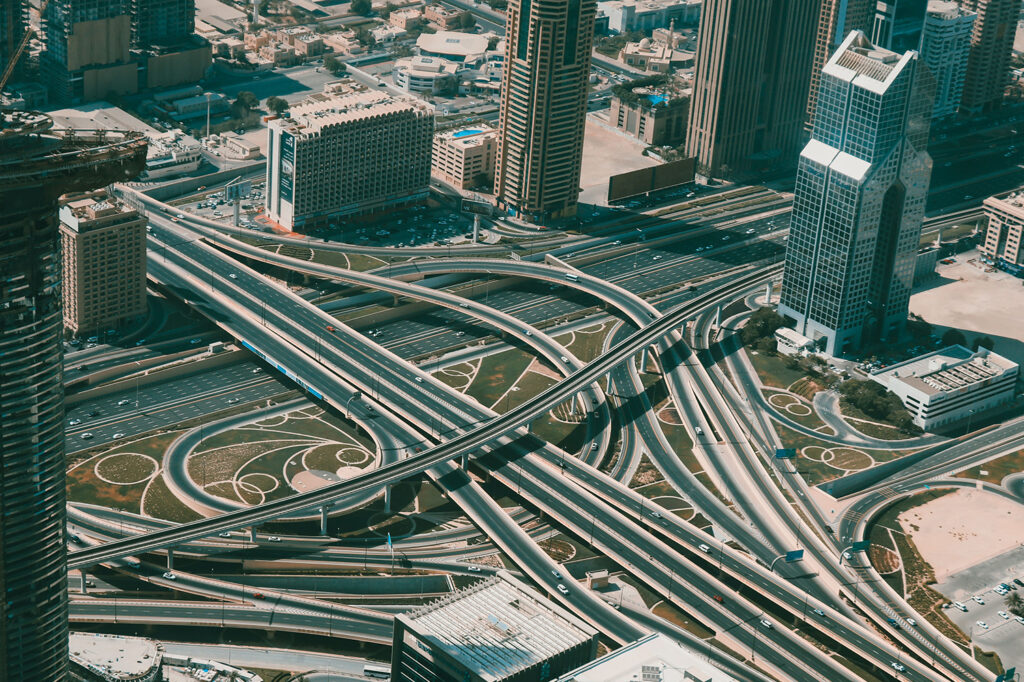
Infrastructure should also be judged by who benefits from it. A new road may support freight movement, but nearby communities need safe access and effective planning. Urban transport should connect residential areas with workplaces, education, healthcare, and public services. Projects that overlook accessibility, safety, or local needs risk creating physical assets without delivering inclusive progress.
Private investment, public funding, and partnerships can all contribute, but each requires strong governance. Clear contracts, credible cost estimates, transparent reporting, and maintenance plans help protect public resources and build confidence among investors and citizens.
The next stage of infrastructure development will require more than speed or scale. It will demand disciplined execution, thoughtful design, resilience, and a long-term view of public value. The strongest infrastructure is not merely what a country builds; it is what people can depend on after construction ends.
When infrastructure is planned with care and delivered with accountability, it becomes an enduring platform for opportunity—connecting today’s needs with tomorrow’s ambitions.