



The global food system is facing a complicated reality in 2026. Agricultural production remains relatively strong across several major crops, yet weather extremes, rising input costs, trade disruptions and changing climate conditions are creating new risks for farmers, food manufacturers and consumers.
The Food and Agriculture Organization of the United Nations released its latest Food Outlook on November 19, reporting that global commodity supplies remain generally comfortable, particularly for wheat and coarse grains. However, tighter supply balances are emerging in several other important food categories.
Global cereal stocks are forecast to increase by 1.8% by the end of the 2026–27 seasons. Wheat and maize production are expected to remain above their respective five-year averages, providing some stability to the global grain market.
Yet the outlook is not equally strong across all commodities. Global rice production is forecast to decline for the first time in four seasons. Sugar production is also expected to fall below projected consumption in 2026–27, raising concerns about tighter market conditions.
Weather is becoming an increasingly influential factor. El Niño-related conditions are affecting agricultural production in different regions, influencing rainfall, temperatures, crop yields and fisheries. In Peru, reduced anchoveta catches are affecting fishmeal supply, while agricultural regions in Asia face risks related to rice production.
Another concern is fertilizer affordability. Global fertilizer production and trade have been disrupted by energy supply challenges and geopolitical developments. When fertilizer prices rise relative to crop prices, farmers may reduce their application rates, potentially affecting future yields and soil productivity.
The FAO also highlighted disruptions to Black Sea grain trade. Reduced export shipments from key ports are reshaping global trade flows, forcing buyers and exporters to adjust sourcing strategies. Countries such as Argentina, Australia and members of the European Union are increasing their participation in wheat export markets.
For farmers, these developments create a difficult balancing act. They must manage weather uncertainty, production costs, access to agricultural inputs, labour availability and changing market prices.
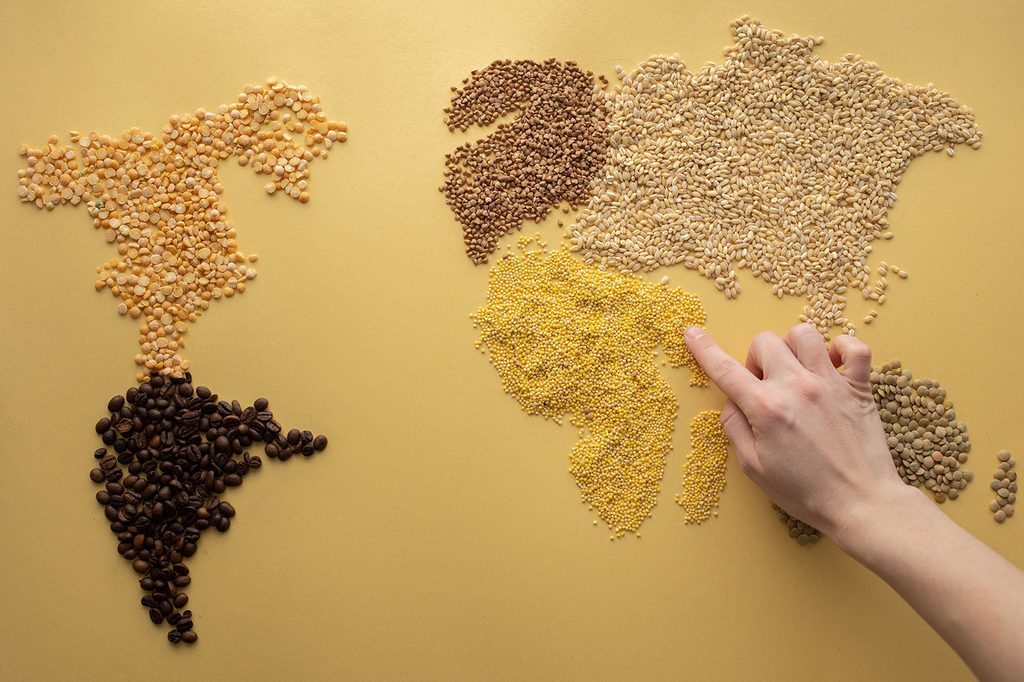
For governments, food security is becoming increasingly connected to agricultural resilience. Investments in irrigation, storage, research, crop diversification, climate adaptation and rural infrastructure can help reduce vulnerability.
Food companies and retailers are also facing the need to rethink sourcing strategies. Reliable access to agricultural commodities is essential for maintaining production, controlling costs and protecting consumers from sudden price volatility.
The latest global outlook suggests that the world is not facing an immediate shortage of every major food commodity. However, comfortable supply figures should not create a false sense of security.
The future of agriculture will depend on how effectively the global food system prepares for disruptions before they become crises. In an increasingly unpredictable climate, resilience may become as important as productivity.