


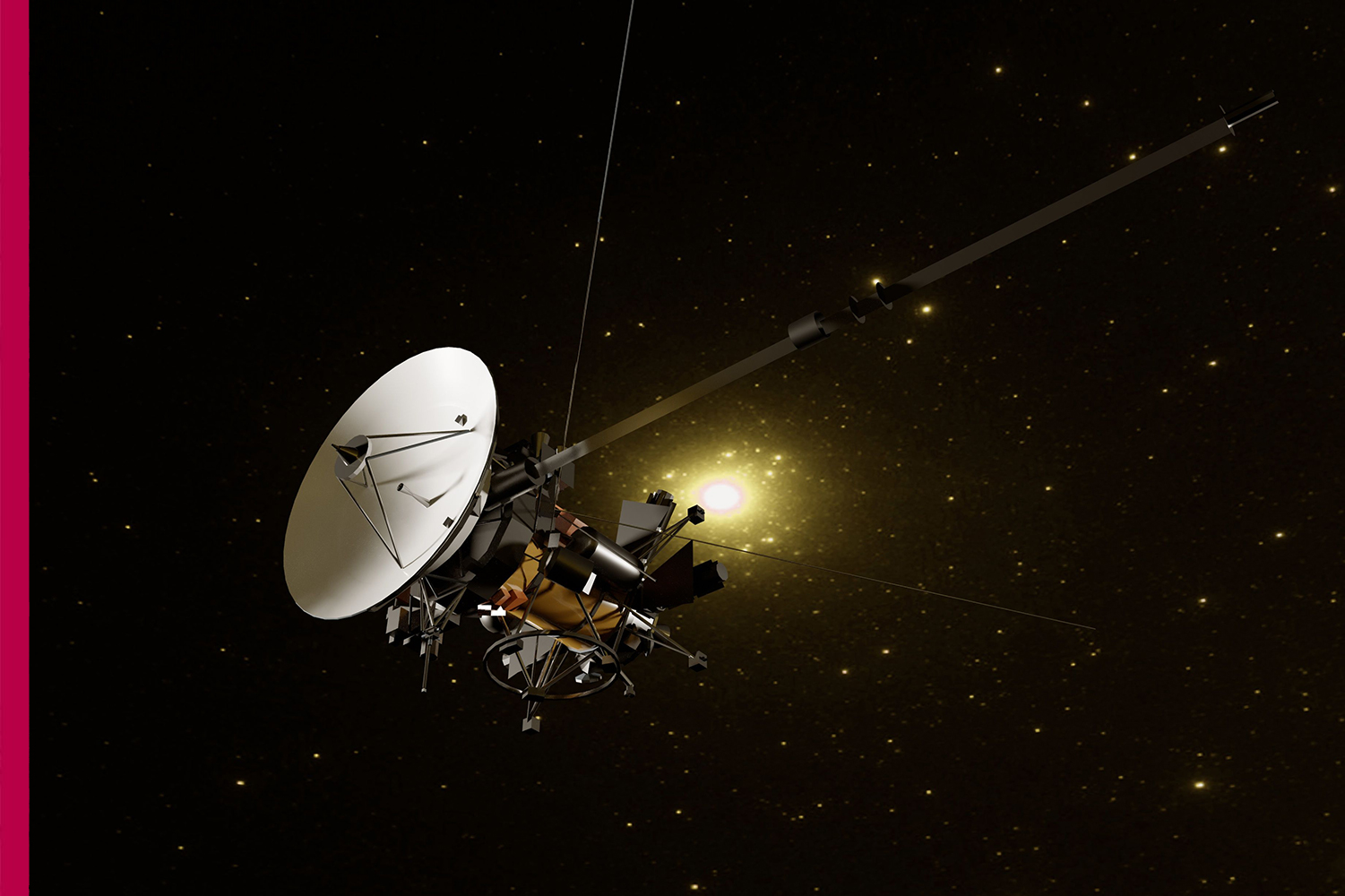
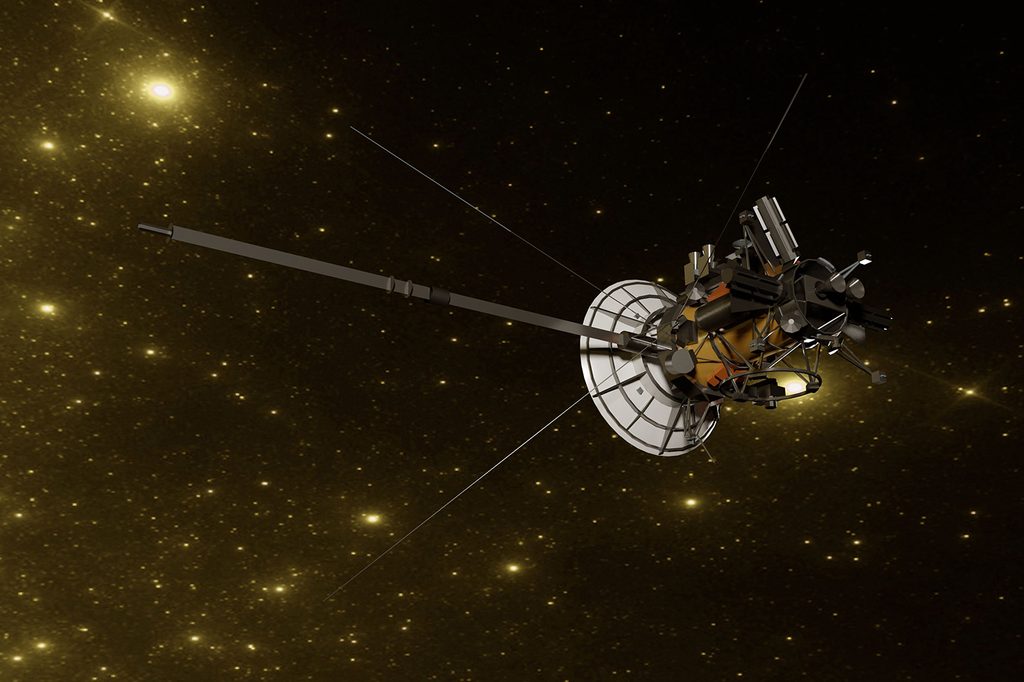
Humanity’s exploration of space continues to redefine the limits of distance, technology and scientific ambition. On November 18, 2026, NASA’s Voyager 1 spacecraft reached a remarkable milestone, becoming the first human-made object to travel one light-day away from Earth.
Launched in 1977, Voyager 1 was originally designed to study Jupiter and Saturn. Its mission expanded far beyond its original objectives, transforming it into one of the most successful spacecraft in the history of space exploration.
One light-day represents the distance light travels in 24 hours—approximately 25.9 billion kilometres. Voyager 1 is now so far away that a signal travelling at the speed of light takes roughly an entire day to reach Earth, and another day for a response to return.
The milestone is extraordinary considering the spacecraft was launched nearly five decades ago using technology developed long before today’s smartphones, artificial intelligence systems and commercial spaceflight industry existed.
Voyager 1 continues travelling away from the Sun at approximately 38,000 miles per hour. Despite its age, the spacecraft has continued transmitting scientific information from interstellar space, providing scientists with observations of the environment beyond the influence of the solar wind.
Its mission has helped researchers better understand the boundaries of our solar system and the conditions of interstellar space. The spacecraft’s survival also demonstrates the importance of long-term engineering, careful power management and the ability to operate systems long after their expected mission duration.
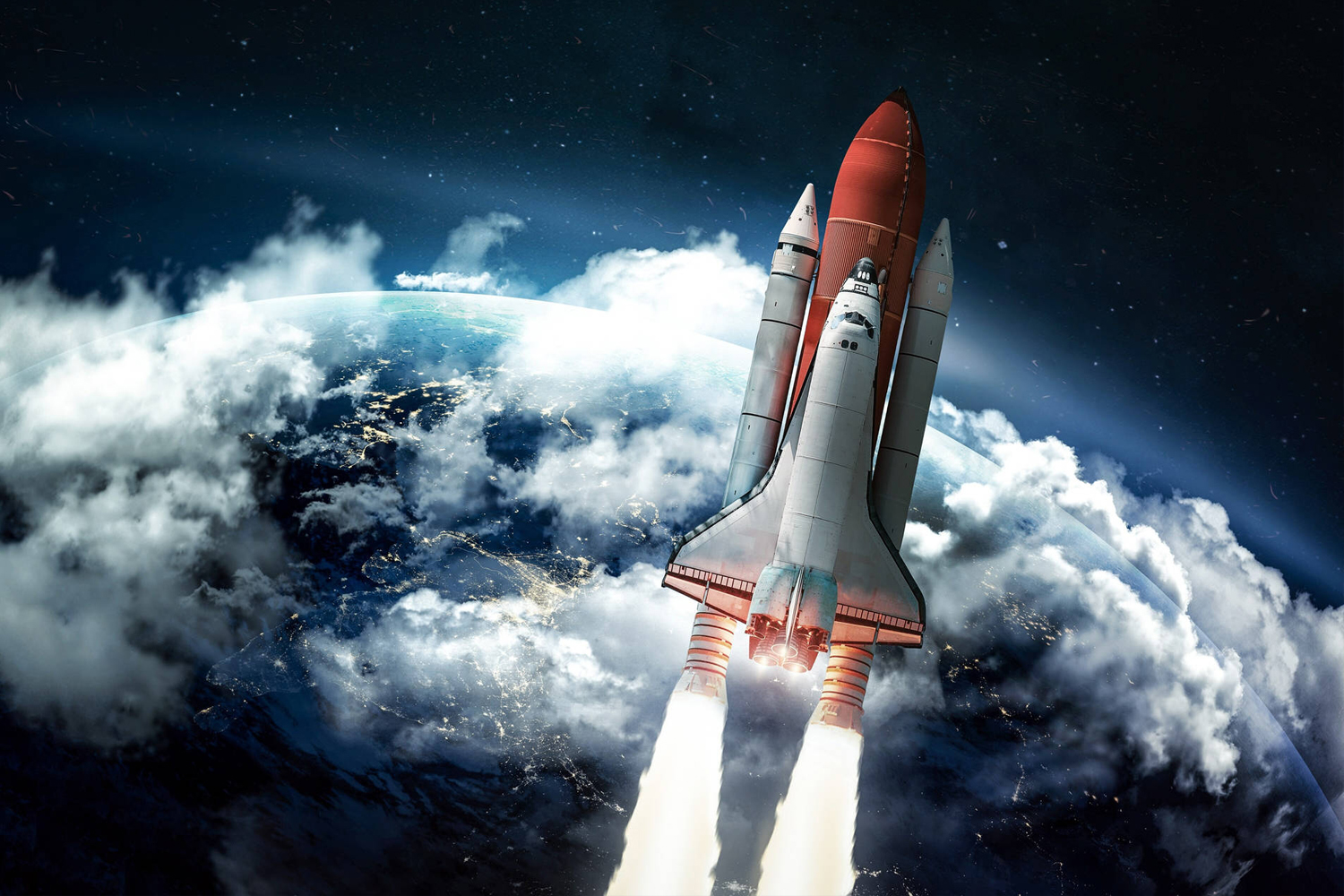
Meanwhile, commercial spaceflight is undergoing a transformation of its own. The US Federal Aviation Administration proposed changes to commercial launch and re-entry regulations on November 5, aiming to simplify certain requirements and modernise the licensing framework. The proposal is part of a broader effort to support a substantially higher launch cadence in the coming years.
Space is no longer exclusively a government-led scientific frontier. Private companies are developing launch vehicles, satellite constellations, space-based communications, commercial payload services and future exploration systems.
The industry faces significant challenges, including orbital debris, launch safety, environmental concerns, capital requirements and the reliability of complex spacecraft systems.
Voyager 1 represents the extraordinary achievements of traditional space exploration, while today’s commercial launch companies represent a new industrial era.
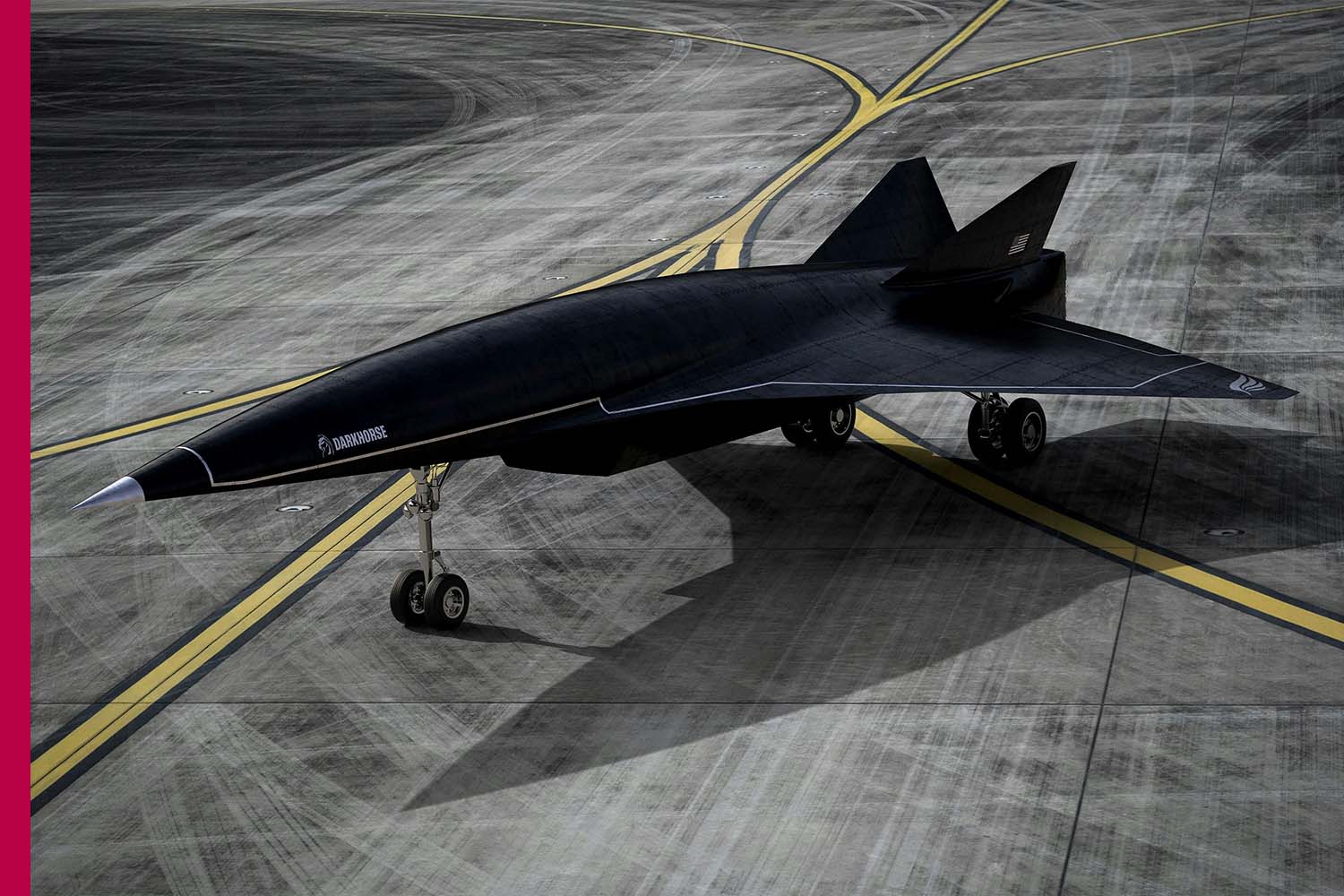
Together, these developments show that aerospace is evolving from a field defined primarily by exploration into an increasingly important economic, scientific and strategic industry.
The next generation of space technology may bring satellite connectivity, Earth observation, advanced navigation, research opportunities and eventually more ambitious missions beyond our planet.
But Voyager 1’s achievement offers a powerful reminder: some of humanity’s greatest technological accomplishments are not measured by speed alone, but by how far they continue to go.