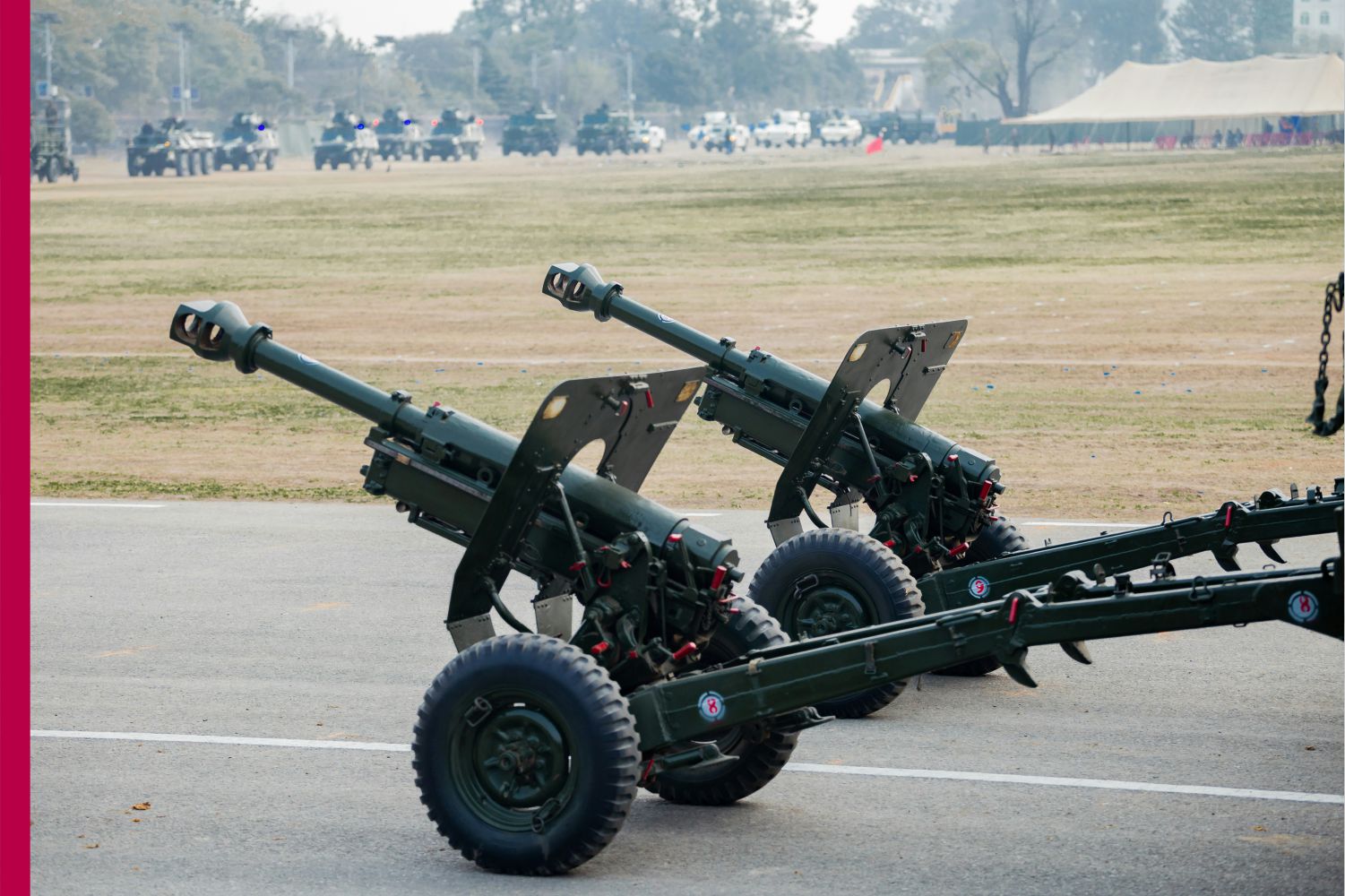
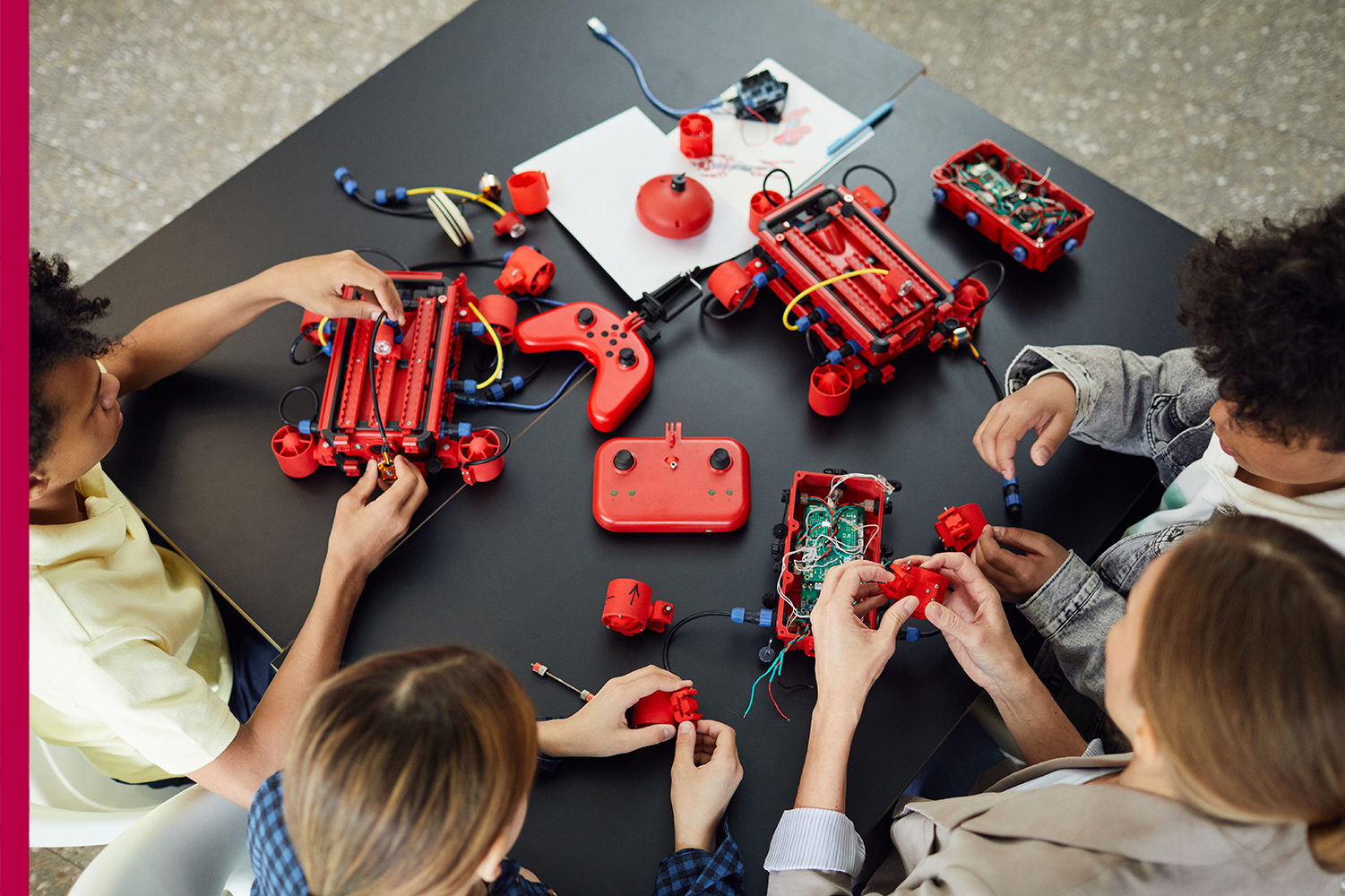

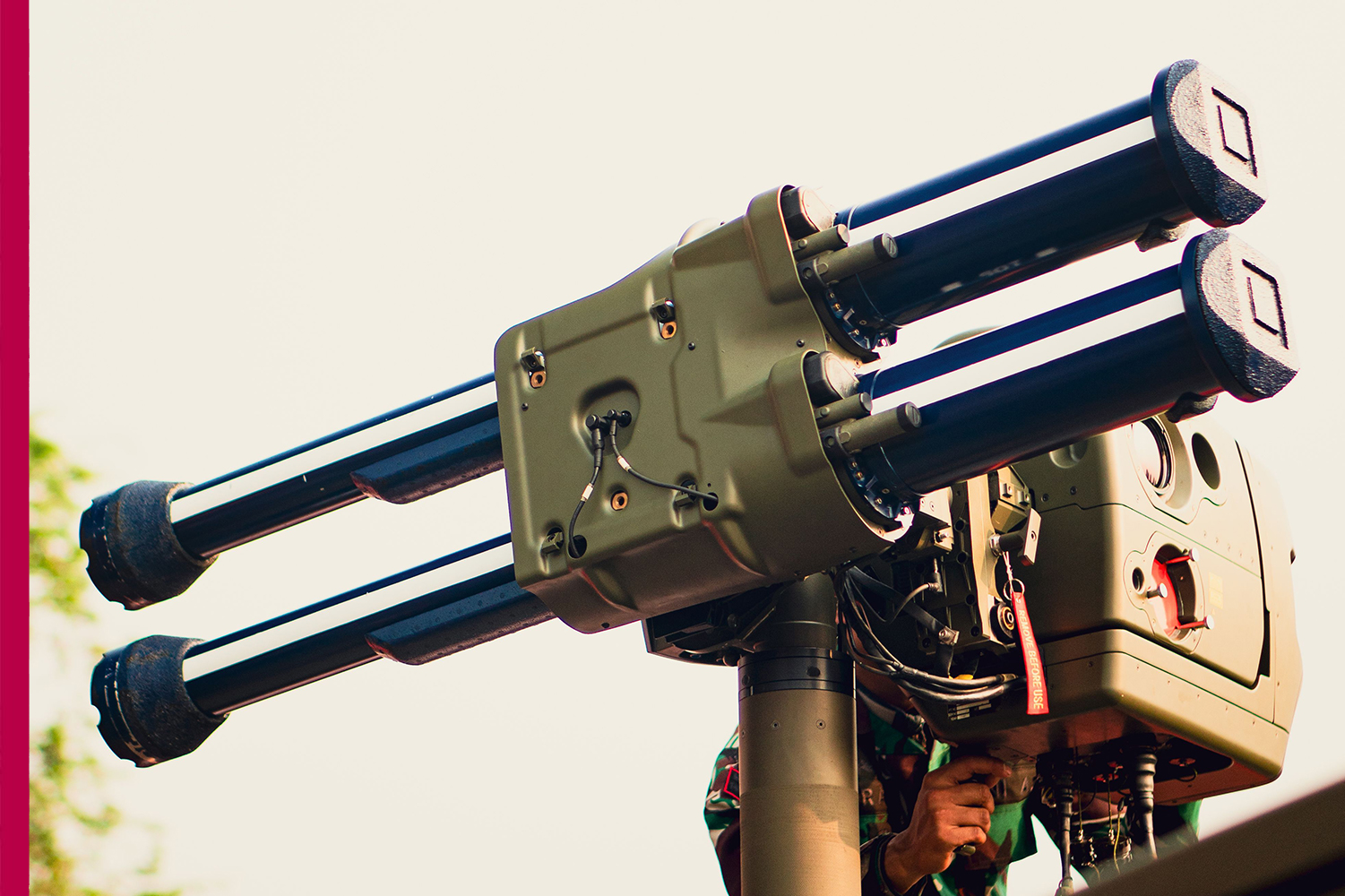

The global defense industry is undergoing a profound transformation. Military capabilities that once depended primarily on conventional weapons, manpower and physical infrastructure are increasingly being shaped by advanced electronics, artificial intelligence, autonomous systems, cybersecurity, satellite communications and precision technologies.
Governments around the world are reconsidering their defense priorities as geopolitical tensions, regional conflicts, technological competition and supply-chain vulnerabilities reshape national security strategies. The result is a growing emphasis on modernisation—not simply purchasing more equipment, but building integrated systems capable of operating in increasingly complex environments.
The defense sector is also becoming a major industrial and economic arena. Countries are seeking greater domestic production capability, strengthening partnerships with allies and investing in technologies that can reduce long-term dependence on foreign suppliers.
Technology Is Changing the Meaning of Military Capability
Modern defense systems are becoming increasingly dependent on digital technologies.
Artificial intelligence is being explored for data analysis, surveillance, decision support, logistics planning, predictive maintenance and the processing of information from multiple sources. Autonomous platforms, advanced sensors and connected systems are changing how military organisations gather information and coordinate operations.
The growing importance of drones and uncrewed systems has also demonstrated how rapidly defense technology can evolve. These systems have expanded the role of remotely operated and autonomous platforms in monitoring, reconnaissance, logistics and other military applications.
Electronic warfare, cyber defense and secure communication systems are becoming increasingly important because modern military operations depend on the ability to exchange information securely and maintain functioning networks.
The defense industry is therefore expanding beyond traditional hardware manufacturing. Software, electronics, communications, data processing and cybersecurity are becoming integral to the development of modern military capabilities.
India and Japan Strengthen Defense Cooperation
A significant recent development in Asia is the strengthening of defense and industrial cooperation between India and Japan.
At a November 2026 meeting between the countries’ foreign and defense ministers in Tokyo, both sides agreed to deepen military and defense-industry cooperation. Discussions included training, defense technology collaboration, maritime security, information sharing, search and rescue, naval shipbuilding and cooperation in artificial intelligence.
The countries also discussed accelerating negotiations concerning the transfer of Japan’s UNICORN naval radio antenna technology to India.
The development reflects a wider strategic relationship between two major Indo-Pacific economies seeking to strengthen regional security and industrial cooperation.
India’s defense modernisation priorities and Japan’s advanced industrial capabilities could create opportunities for collaboration in manufacturing, electronics, shipbuilding, communications and research.
The concept of designing technology collaboratively and producing it in India reflects the growing emphasis on partnerships that combine international expertise with domestic industrial capacity.
Defense Manufacturing Is Becoming an Economic Priority
Defense manufacturing is increasingly connected to national economic strategy.
Governments are investing in domestic production because dependence on external suppliers can create vulnerabilities during geopolitical crises, supply disruptions or changes in international policy.
The push toward defense industrial independence is generating demand for advanced manufacturing, engineering, precision components, electronics, materials science, software and specialised research.
For countries developing their defense industries, the opportunity extends beyond the military sector. Investments in manufacturing capabilities can support wider industrial development, create specialised employment and strengthen technological ecosystems.
However, developing a competitive defense industry requires long-term investment. Manufacturing sophisticated equipment demands highly trained engineers, reliable suppliers, testing facilities, research institutions, quality-control systems and regulatory oversight.
It is not enough to assemble imported components. Sustainable industrial capability requires developing expertise, improving production processes and building technologies that can compete internationally.
The Role of Artificial Intelligence
AI is becoming a significant area of defense research and investment. Governments and companies are exploring how intelligent systems can assist with processing large quantities of information, identifying patterns, supporting logistics and improving decision-making.
The use of AI in defense also raises serious questions regarding accountability, reliability, human oversight and the consequences of automated decisions.
The technology may provide advantages in speed and analysis, but decisions involving security, human life and military operations require carefully designed safeguards.
As AI systems become more capable, the defense sector will need to establish standards governing their development, testing, deployment and supervision.
Cybersecurity and the Invisible Battlefield
National security increasingly depends on digital infrastructure.
Communication networks, financial systems, power grids, transportation systems, satellites and government infrastructure are vulnerable to cyber threats. Defense organisations must therefore protect not only physical assets but also the digital systems that support them.
Cybersecurity has become a strategic industry in its own right, creating demand for security researchers, intelligence analysts, software engineers, digital forensics specialists and network protection professionals.
The boundaries between military security and civilian infrastructure are becoming more interconnected. A disruption to a critical digital system may have consequences far beyond the organisation directly targeted.
This makes cybersecurity preparedness an essential component of national resilience.
The Growing Defense Technology Ecosystem
The modern defense industry involves a wide network of companies and institutions.
Large defense manufacturers remain central, but startups and specialised technology businesses are increasingly contributing to areas such as AI, robotics, communication systems, advanced materials, simulation, cybersecurity and sensor technologies.
Universities and research institutions are also playing an important role in developing future capabilities.
This ecosystem creates opportunities for skilled professionals across engineering, electronics, software, aerospace, manufacturing, research and project management.
A More Complex Future
Defense modernisation is not simply a competition to develop the most advanced equipment. It involves balancing technological progress, national security, industrial capability, international cooperation, ethical considerations and economic sustainability.
Countries that can build strong research ecosystems, develop reliable supply chains, train specialised talent and collaborate strategically may become increasingly influential in the global defense industry.
The future of defense will be shaped by a combination of physical capabilities and technological intelligence.
As security challenges continue to evolve, the defense industry is becoming one of the most strategically important sectors of the global economy—not only because of its role in national security, but also because of its influence on technology, manufacturing, innovation and international relations.