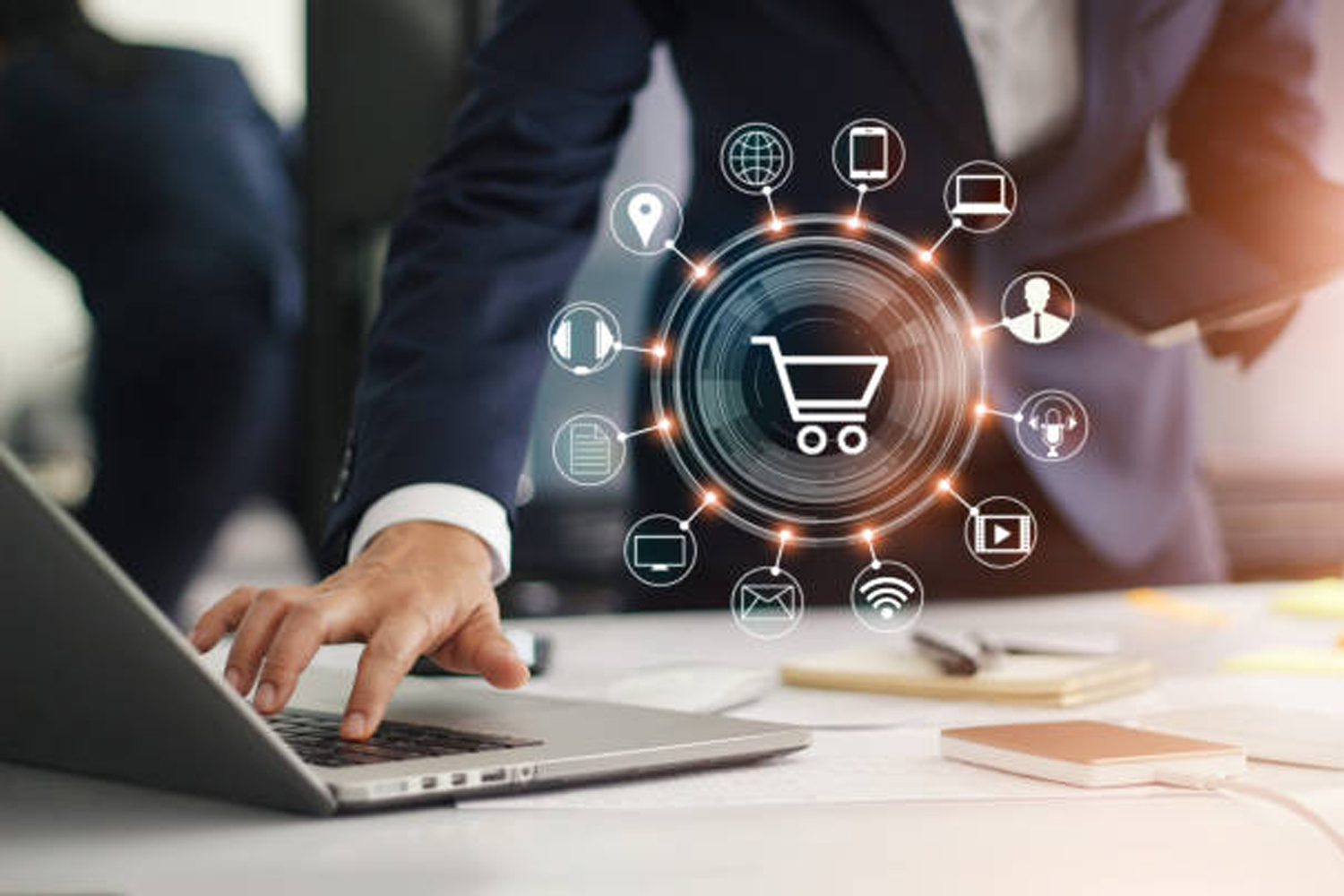


Online shopping has spent decades transforming the retail industry. Consumers moved from physical stores to websites, from websites to mobile applications and from scheduled deliveries to increasingly convenient fulfilment models. The latest transformation is happening at a much faster pace.
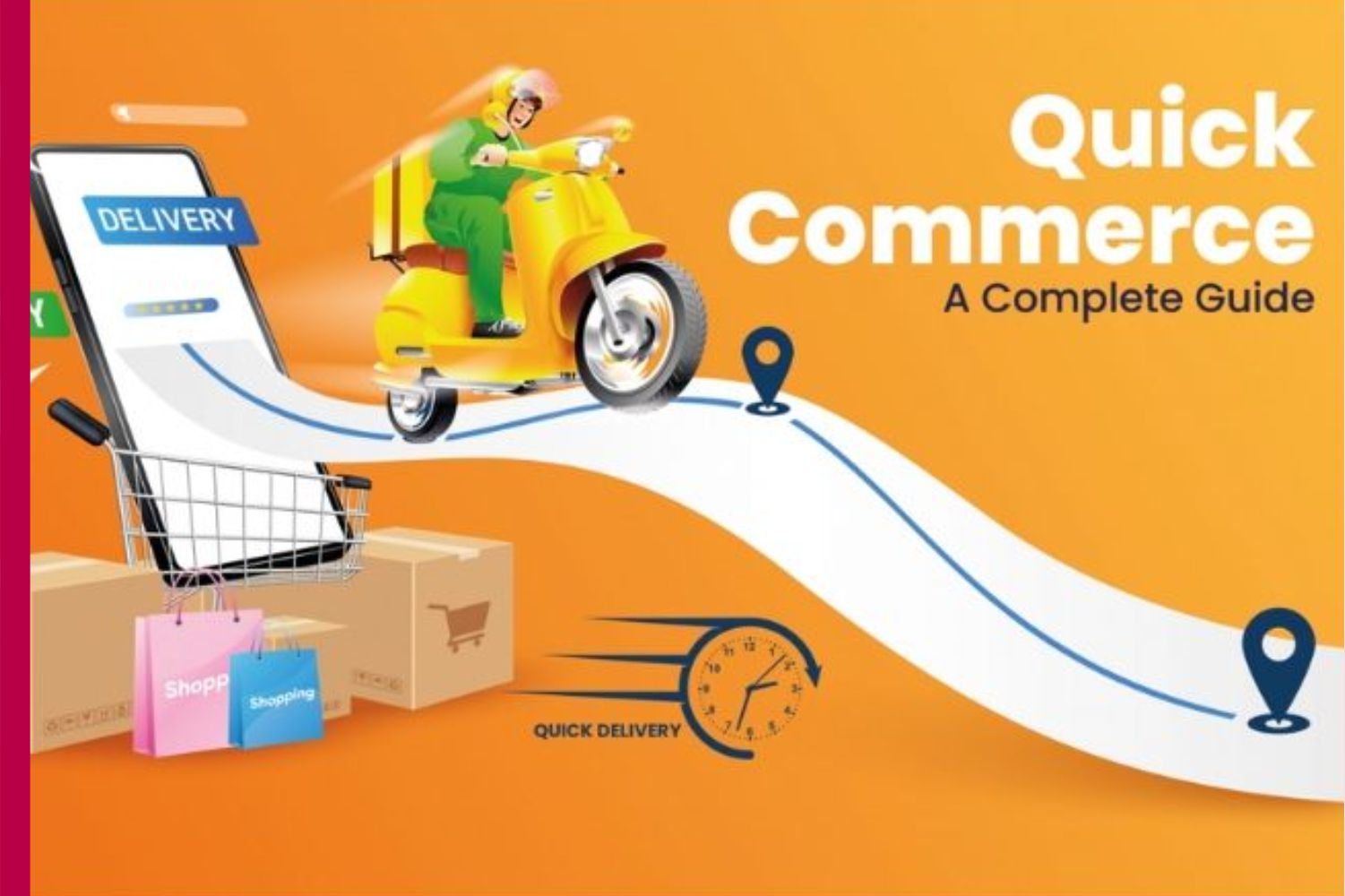
Quick commerce is changing consumer expectations by bringing groceries, household essentials, snacks, personal-care products and other everyday items to customers within minutes. What began as a convenience-driven service in major cities is becoming a significant part of the digital retail economy.
India’s recent festive shopping season demonstrates the growing importance of this model. Quick-commerce platforms captured a larger share of online festive spending, recording approximately 60% growth in gross merchandise value to ₹22,528 crore during the festive period, according to data reported by Financial Express from Datum Intelligence.
The growth highlights a major shift in how consumers approach online shopping. Increasingly, shoppers are not simply ordering products for the next day. They are purchasing items when the need arises—and expecting delivery almost immediately.
Convenience Is Becoming the New Currency
Traditional e-commerce platforms built their business models around product selection, competitive pricing, customer reviews and scheduled delivery.
Quick commerce introduces a different value proposition: speed.
Consumers may order milk, snacks, groceries, beverages, cleaning products, gifts or household necessities without planning a shopping trip. The convenience of receiving items shortly after ordering can influence purchasing behaviour and encourage consumers to make more frequent, smaller purchases.
This model is particularly suited to urban environments where customers live close to fulfilment centres and where delivery networks can operate efficiently.
The expectation of speed is changing the meaning of convenience. Consumers increasingly value the ability to purchase something when they need it rather than waiting until they have planned an entire shopping basket.
The Dark Store Model
Quick-commerce companies generally rely on strategically positioned fulfilment locations, often called dark stores, which serve online orders rather than walk-in shoppers.
These facilities are designed around high-demand products, inventory availability and rapid picking and packing.
The location of these stores is critical. A fulfilment centre must be close enough to customers to support fast delivery while maintaining sufficient inventory to serve a large number of orders.
This creates a new form of retail infrastructure. Instead of large stores located primarily for shopping experiences, companies are building smaller operational facilities designed around digital demand.
Inventory management becomes especially important. If products are unavailable, the promise of rapid delivery becomes meaningless. Businesses must predict demand, replenish products quickly and maintain a carefully balanced assortment.
The efficiency of these operations depends on technology, data, logistics, local demand forecasting and the ability to manage inventory across multiple locations.
India’s Quick-Commerce Competition
India has become one of the most competitive quick-commerce markets because of its large urban population, growing digital payments ecosystem, widespread smartphone use and demand for convenience.
Platforms are competing not only on delivery time, but also on product categories, pricing, discounts, membership benefits, brand partnerships and customer experience.
Quick commerce is also expanding beyond groceries. Consumers are increasingly using rapid-delivery platforms for beauty products, electronics accessories, fashion essentials, gifting, medicines where legally permitted, home products and other categories.
This expansion raises the possibility that quick commerce could evolve from an emergency shopping service into a broader retail channel.
However, growth does not automatically translate into profitability. Maintaining dark stores, paying delivery personnel, managing inventory, offering discounts and handling returns can create significant costs.
Companies must determine whether consumers are willing to pay enough for convenience or whether the business remains dependent on promotional spending.
The Impact on Traditional Retail
The rapid expansion of quick commerce is creating new competitive pressure for neighbourhood shops, supermarkets and conventional retailers.
Local businesses have historically benefited from proximity, personal relationships and immediate availability. Quick-commerce platforms now offer similar convenience through digital interfaces and organised delivery operations.
Traditional retailers are responding through digital ordering, delivery partnerships, loyalty programmes, social media marketing and more efficient inventory systems.
The future may not necessarily involve the disappearance of neighbourhood retail. Local stores may instead evolve into hybrid businesses that combine physical shopping with digital ordering and delivery.
Retailers that understand their local customers, offer personalised service and maintain strong product availability may continue to compete effectively.
Logistics Is the Real Engine
Quick commerce may appear to be a technology business, but logistics is its foundation.
Behind every rapid delivery is a network involving warehouses, inventory systems, route planning, delivery personnel, traffic management, customer service and operational coordination.
The complexity increases during peak demand periods. Festivals, holidays, weather disruptions and promotional campaigns can create sudden surges in orders.
Businesses must ensure that their fulfilment systems remain reliable when demand increases. A fast delivery promise is valuable only when the company can consistently fulfil it.
This is encouraging investment in logistics technology, automation, demand prediction and more efficient delivery operations.
Can the Model Become Sustainable?
The next phase of quick commerce will likely focus on economics rather than growth alone.
Companies will need to improve order density, reduce unnecessary delivery distances, optimise inventory, increase average basket sizes and identify categories where rapid fulfilment is commercially viable.
Environmental concerns are also becoming relevant. Frequent small deliveries can increase packaging consumption and transport activity. Businesses will need to explore better packaging, efficient routing, consolidated orders and cleaner delivery fleets.
The Future of Online Shopping
E-commerce is evolving from a system where consumers search, compare and wait into one where shopping increasingly becomes immediate and demand-driven.
The most successful companies may be those that understand not just what customers want to buy, but when they want it, how urgently they need it and how conveniently it can be delivered.
Quick commerce is more than a faster version of online shopping. It is creating a new retail behaviour—and businesses across the retail ecosystem will need to adapt to it.