









Apple’s business model is widely regarded as one of the most successful and influential in the world. Built on innovation, premium branding, and a tightly integrated ecosystem, Apple has transformed from a small technology company into one of the most valuable brands globally. Its approach focuses not just on selling products, but on creating an experience that keeps customers loyal for years.
At the core of Apple’s business model is product differentiation. Apple designs its own hardware, software, and services, allowing complete control over quality and user experience. Products like the iPhone, iPad, Mac, Apple Watch, and AirPods are known for their sleek design, reliability, and ease of use. By controlling both the operating systems iOS, macOS, watch OS and the hardware they run on, Apple ensures seamless performance and strong integration across devices. This vertical integration sets Apple apart from many competitors who rely on third-party software or components.
Another key aspect of Apple’s success is its ecosystem strategy. Apple products work best when used together. Features like iCloud, AirDrop, iMessage, and Continuity encourage customers to stay within the Apple ecosystem. Once users invest in multiple Apple devices, switching to another brand becomes less appealing. This ecosystem lock-in creates long-term customer loyalty and recurring revenue, strengthening Apple’s market position.
Apple’s premium pricing strategy is also central to its business model. Unlike companies that compete on low prices, Apple positions its products as high-quality, aspirational items. This allows the company to maintain strong profit margins even when selling fewer units compared to competitors. Customers are often willing to pay more because they associate Apple with innovation, security, and status. The brand itself adds significant value to Apple’s offerings.
In recent years, Apple has expanded its focus on services, which has become a major growth driver. Services such as the App Store, Apple Music, Apple TV+, iCloud, Apple Pay, and Apple Fitness+ generate recurring revenue and reduce dependence on hardware sales alone. This shift makes Apple’s business model more stable and resilient, especially during periods of slower device upgrades.
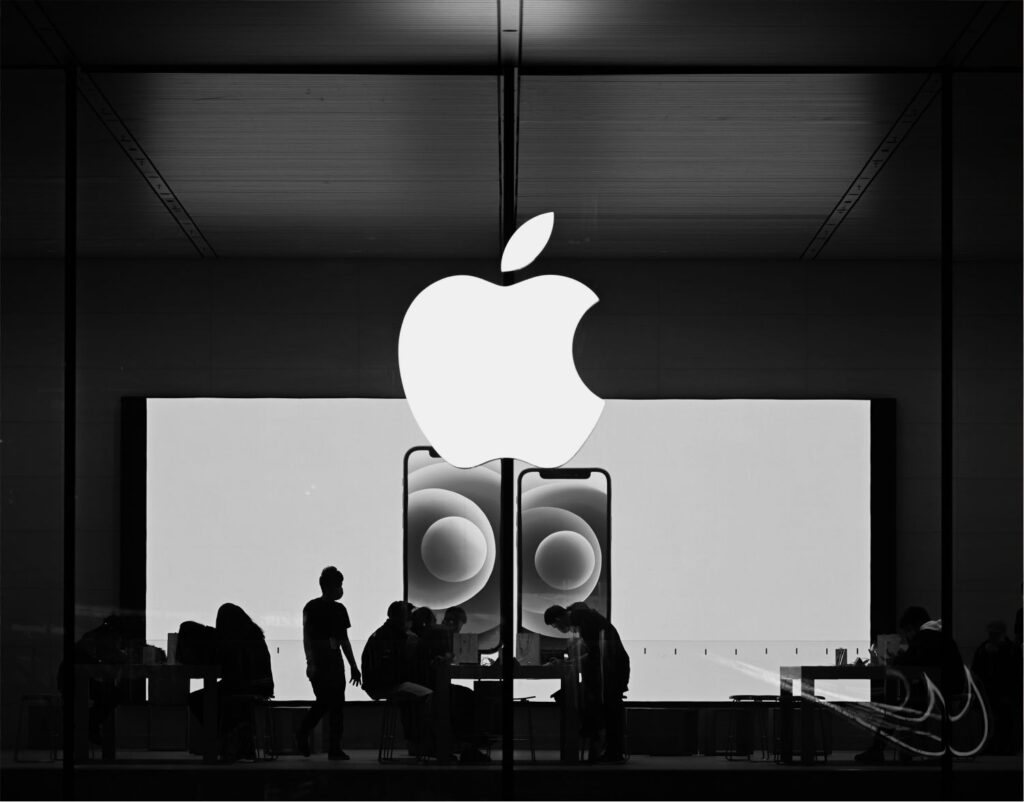
Retail and customer experience also play a crucial role. Apple Stores are designed not just for sales, but for engagement. Customers can try products, attend workshops, and receive personalized support through the Genius Bar. This direct-to-consumer approach strengthens brand relationships and ensures consistent service quality. Online stores and efficient supply chains further enhance accessibility and convenience.
Apple’s strong focus on innovation and privacy further supports its model. Continuous investment in research and development keeps Apple ahead in areas like chip design, artificial intelligence, and sustainability. At the same time, Apple positions itself as a privacy-focused company, building trust in a data-driven world.
In conclusion, Apple’s business model succeeds because it combines innovation, ecosystem integration, premium branding, and customer loyalty. By delivering not just products but a connected experience, Apple has created a sustainable and powerful model that continues to influence the global technology industry.