


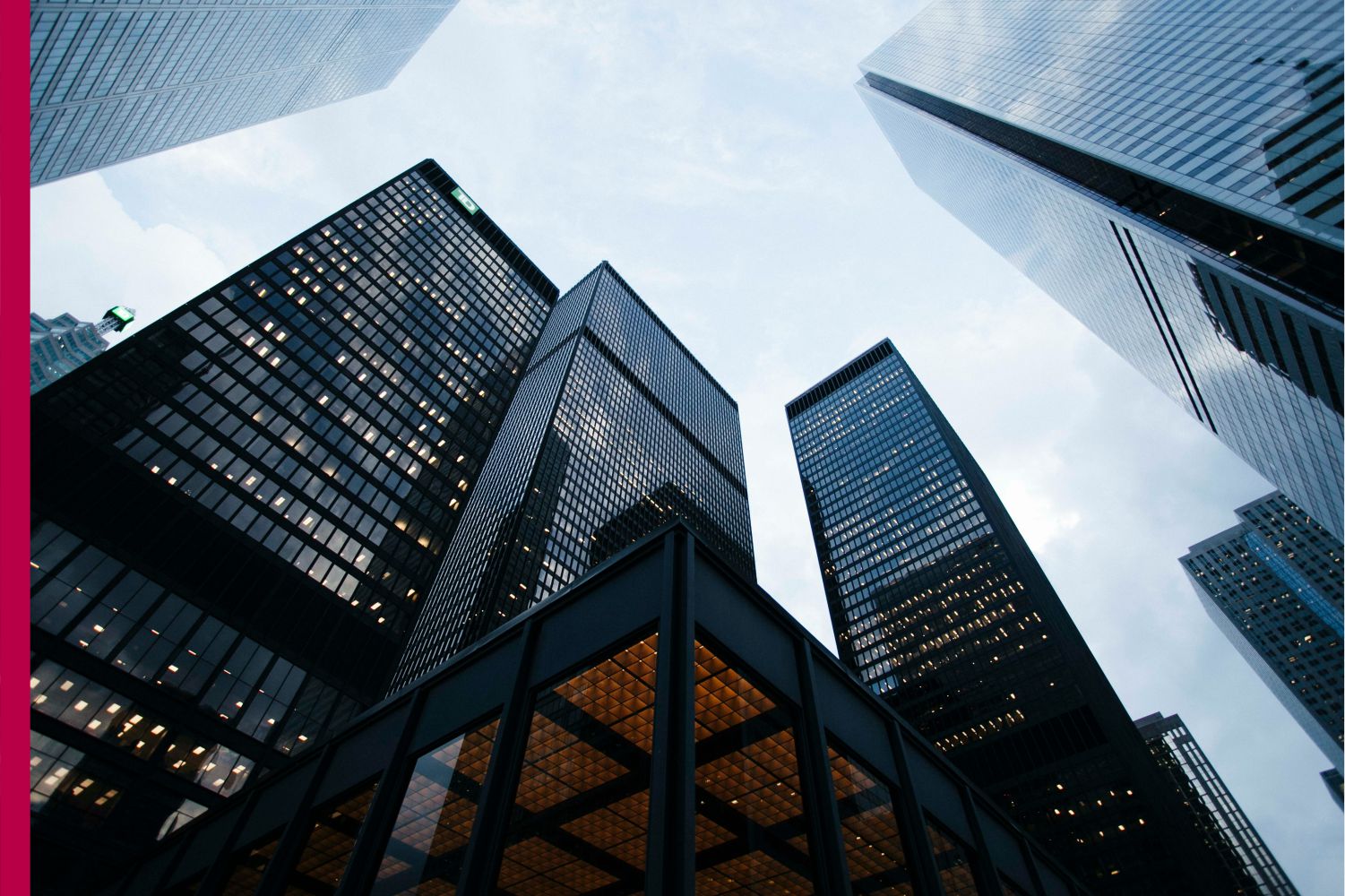
Corporate buildings are more than just physical structures; they are powerful symbols of a company’s identity, ambition, and professionalism. Rising prominently in urban skylines, these buildings represent economic growth, innovation, and the evolving nature of work. From sleek glass towers to sustainable smart offices, corporate buildings play a crucial role in shaping modern business environments and city landscapes.
At their core, corporate buildings are designed to support productivity and collaboration. Modern office layouts prioritize open spaces, flexible workstations, and meeting areas that encourage teamwork and creativity. Natural lighting, ergonomic furniture, and thoughtfully planned interiors enhance employee comfort and efficiency. As work culture evolves, corporate buildings are adapting to hybrid models by offering shared spaces, quiet zones, and technology-enabled conference rooms that connect remote and in-office teams seamlessly.
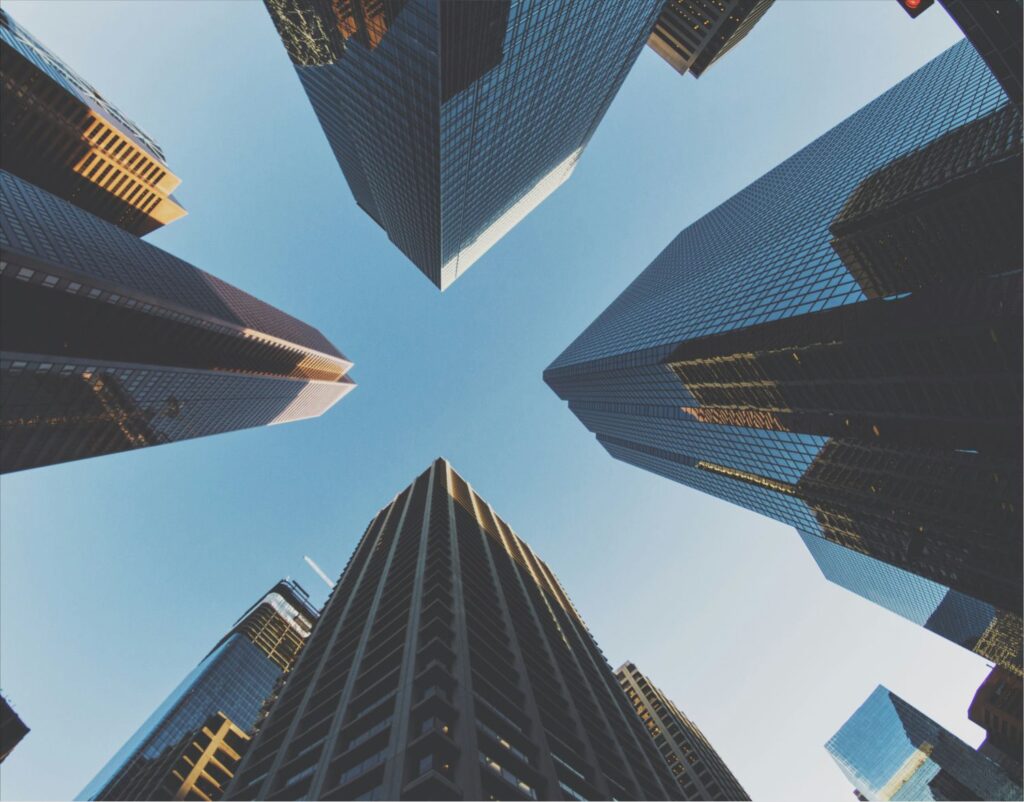
Architecture and design play a vital role in defining corporate buildings. Many companies use architectural elements to reflect their brand values and corporate culture. Glass façades often symbolize transparency and openness, while bold, innovative designs communicate creativity and forward thinking. Iconic corporate headquarters become landmarks, reinforcing a company’s presence and influence within a city. Well-designed corporate buildings not only attract clients but also help recruit and retain top talent.
Sustainability has become a key focus in the development of corporate buildings. With increasing awareness of environmental impact, companies are investing in green building practices. Energy-efficient lighting, solar panels, rainwater harvesting systems, and eco-friendly materials are now common features. Green-certified buildings reduce operational costs, lower carbon footprints, and demonstrate corporate responsibility. Incorporating green spaces such as rooftop gardens and indoor plants also improves air quality and employee well-being.
Technology integration is another defining feature of modern corporate buildings. Smart building systems monitor energy usage, regulate temperature, and enhance security through automated controls. High-speed internet, digital access systems, and advanced communication infrastructure are essential for supporting today’s fast-paced business operations. These technological advancements not only improve efficiency but also provide a safer and more comfortable working environment.
Corporate buildings also influence the surrounding urban ecosystem. They drive the development of nearby infrastructure, including transportation, retail, and hospitality services. Business districts often emerge around major corporate hubs, creating employment opportunities and boosting local economies. At the same time, thoughtful urban planning ensures that corporate developments coexist harmoniously with residential areas, public spaces, and cultural landmarks.
The role of corporate buildings has expanded beyond workspaces to become centers of corporate culture and social interaction. Many offices now include cafeterias, fitness centers, lounges, and wellness areas, reflecting a holistic approach to employee satisfaction. This shift acknowledges that a positive work environment contributes directly to productivity, creativity, and long-term success.
In conclusion, corporate buildings are integral to modern business and urban development. They embody a company’s vision, support innovation, and shape how people work and interact. As technology advances and sustainability becomes more important, corporate buildings will continue to evolve, standing as dynamic structures that reflect the future of work and the progress of society.