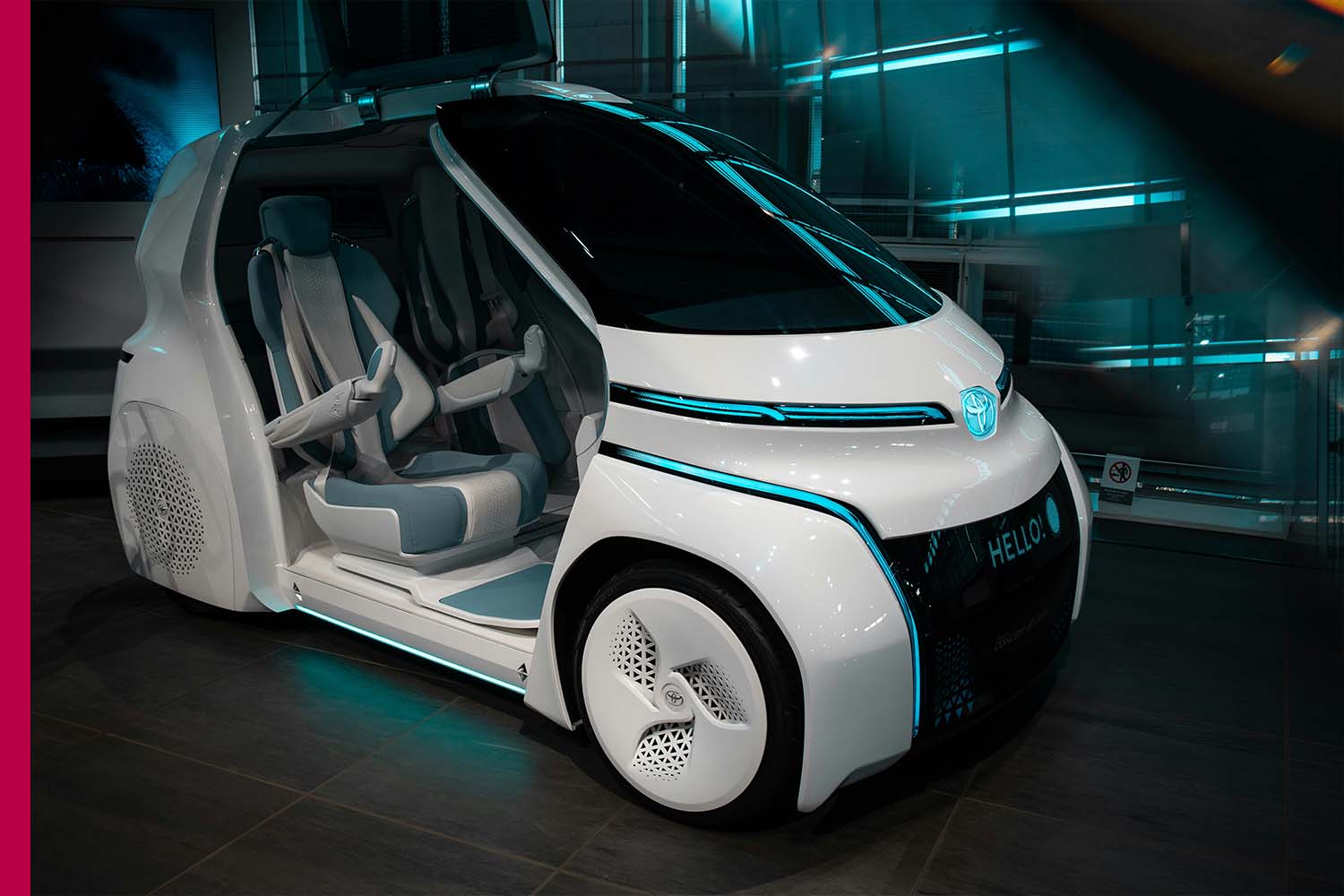




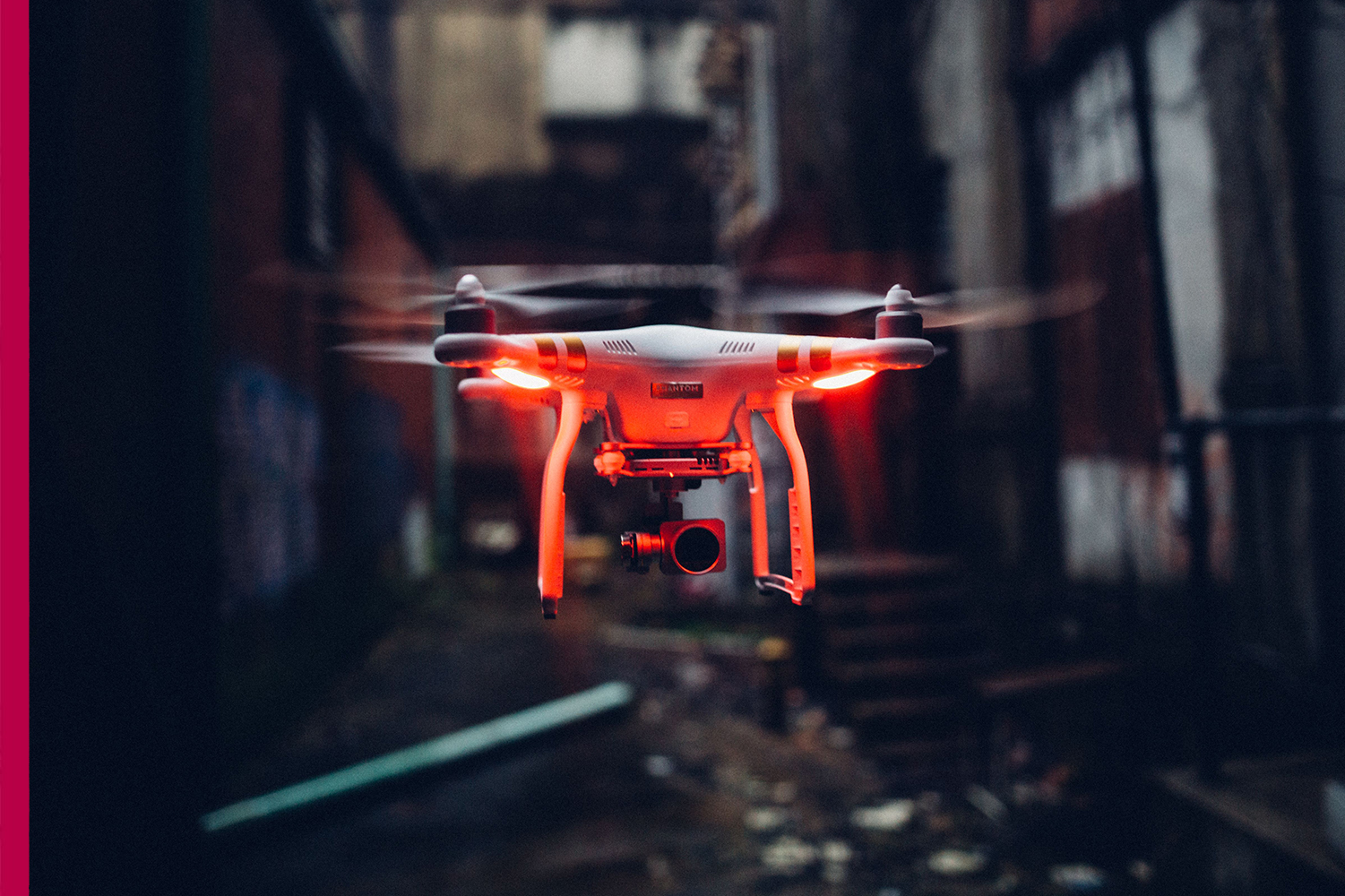
The future of technology is increasingly being built by startups that are developing products once associated mainly with science fiction. From intelligent robots and autonomous drones to advanced electronics, China’s technology hub of Shenzhen is becoming an important showcase for this transformation.
A Reuters report published on November 12 explored the next generation of Chinese startups preparing for the upcoming APEC summit in Shenzhen on November 18 and 19.
The city has developed a powerful technology ecosystem combining research, manufacturing facilities, component suppliers and access to international markets. This environment allows young companies to move from an early product concept to commercial manufacturing faster than many traditional technology centres.
Startups operating through the InnoX incubator are working across robotics, drones and advanced electronics. Reuters reported that approximately 80% of the projects at the incubator target overseas markets, highlighting the international ambitions of these emerging businesses.
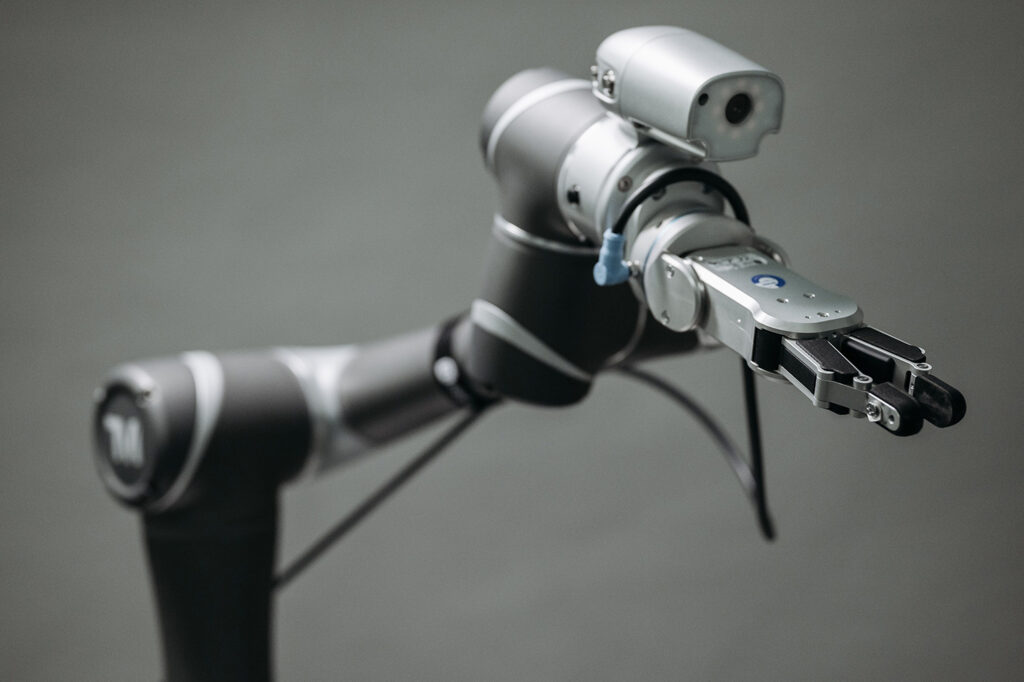
The development reflects a wider transformation in the global innovation landscape. Artificial intelligence is moving beyond software applications and entering physical systems. Robots can increasingly perform specialised industrial tasks, drones are being developed for inspection and delivery, and advanced electronic components are supporting more intelligent machines.
However, innovation does not automatically guarantee commercial success. Companies must demonstrate that their products are reliable, affordable and capable of solving real problems. International trade restrictions and geopolitical tensions are also creating obstacles for businesses seeking customers overseas.
China’s technology industry faces a particularly complicated environment. Its manufacturing strengths provide an advantage, but concerns about trade imbalances, competition and export dependence are influencing how international markets respond.
For other countries, including India, the developments offer important lessons. Building a successful innovation ecosystem requires more than funding startups. It also requires research institutions, skilled engineers, manufacturing partnerships, access to capital and opportunities to test products in real-world conditions.
The next major technology companies may emerge from businesses that combine software intelligence with physical engineering. Robotics, automation and intelligent machines could transform manufacturing, healthcare, agriculture and logistics.
Shenzhen’s startup activity offers a glimpse of that possibility. The future may not simply belong to companies that create smarter applications. It may belong to those that turn intelligent technology into products that change how the physical world works.