



Leadership is no longer defined only by positions of authority. Around the world, women are influencing business, politics, entertainment, technology and social change through their ideas, decisions and personal journeys.
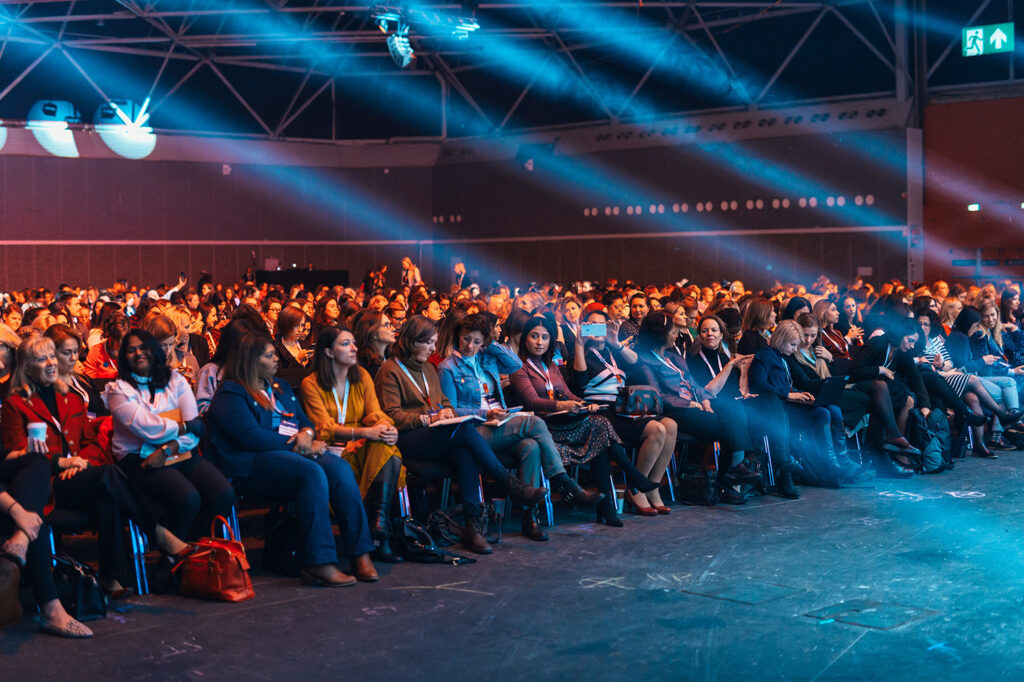
This conversation is taking centre stage in New York on November 12, as The Washington Post hosts its fifth annual Global Women’s Summit.
The summit brings together prominent women from different professional backgrounds under the theme of women lifting women. Its programme explores leadership, entrepreneurship, mentorship, storytelling and the influence of individual experiences on wider society.
The speakers include New Jersey Governor Mikie Sherrill, Tubi CEO Anjali Sud, filmmaker Ava DuVernay, entrepreneur Emma Grede, singer-songwriter Sara Bareilles and WNBA champion Breanna Stewart.
Their professional journeys represent very different forms of influence. Political leadership shapes public policy, business leadership creates economic opportunities, filmmaking influences cultural conversations, and sport can inspire future generations through performance and representation.
The summit also highlights issues that extend beyond individual success. Discussions include women’s financial independence, online safety, artificial intelligence, education and gender equality.
These subjects reflect a wider change in how leadership is understood. Organisations increasingly recognise that diverse perspectives can improve decision-making, strengthen innovation and help businesses understand different communities.
Yet representation alone is not enough. Women entering leadership positions also need access to professional networks, mentorship, funding, equal opportunities and the authority to influence important decisions.
For businesses, this creates a responsibility to move beyond symbolic recognition. Leadership development, fair recruitment, transparent career progression and supportive workplace cultures can help more women participate in senior decision-making.
Entrepreneurship is another important area. Women-led businesses are contributing to employment, innovation and economic growth across sectors, but access to capital and international markets remains uneven.
The influence of women is also visible in culture and entertainment. Athletes, artists, filmmakers and creators are using their platforms to discuss issues that reach audiences far beyond their immediate industries.
The Global Women’s Summit provides an opportunity to bring these different experiences into one conversation.
The most important leadership lesson may be that influence becomes more powerful when it creates opportunities for others. Building a successful career is an achievement, but helping the next generation gain confidence, access and visibility can create a much longer legacy.
The future of leadership will be shaped not only by who reaches the top, but also by who helps others rise.