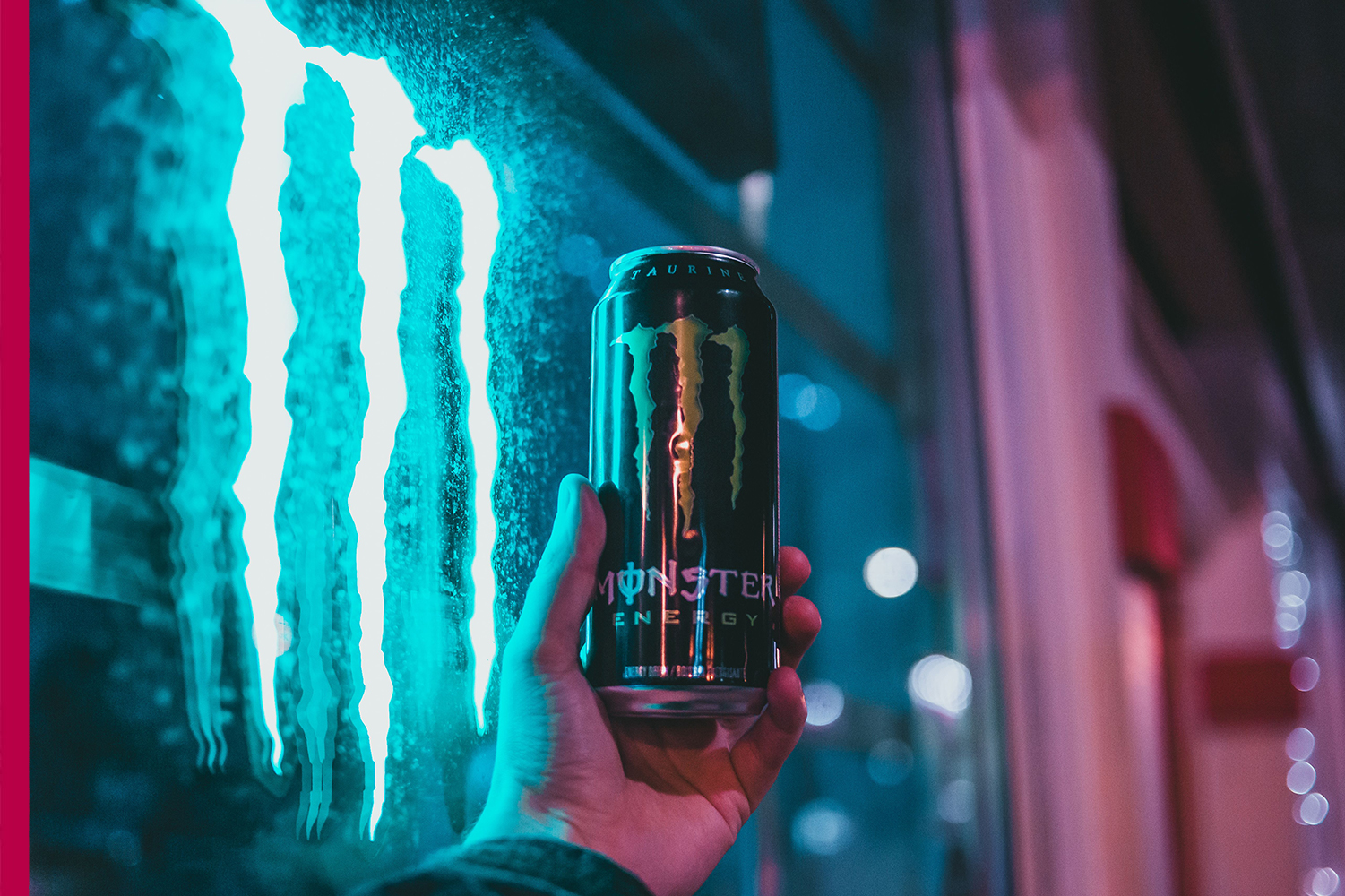



Energy drinks and stimulant-based supplements have become familiar parts of modern lifestyles. Students use them to stay awake, professionals consume them during demanding work schedules, and fitness enthusiasts often turn to stimulant products before exercise.
But new research presented during the American Heart Association’s Scientific Sessions 2026 has raised questions about the potential cardiovascular risks associated with these products.
The research, highlighted in a report published on November 11, analysed more than 28,000 adverse-event reports submitted to the US Food and Drug Administration between 2017 and 2025.
Researchers found that reports involving caffeine-containing energy drinks and stimulant supplements were disproportionately associated with serious cardiovascular events. Cardiac arrest appeared approximately 11 times more often in reports involving these products than in reports involving products without the relevant stimulants. Heart attacks were reported approximately 4.5 times more often.
Adults aged 18 to 34 accounted for around 45% of the reports involving cardiovascular events associated with caffeine and stimulant products.
These findings are attracting attention because young adults are not generally considered a high-risk group for many serious heart conditions.
However, an important scientific distinction must be made. The study analysed voluntary adverse-event reports. It cannot establish that energy drinks directly caused the reported medical events, nor can it determine the actual risk faced by every consumer.
Researchers have called for more systematic safety monitoring and further investigation.
The issue is relevant because the energy drink market has expanded considerably, with products often marketed around productivity, sports performance and instant energy. Some formulations also contain additional stimulants, making it important for consumers to understand the ingredients rather than judging a product only by its branding.
For individuals, responsible consumption means paying attention to caffeine intake from all sources, including coffee, tea, energy drinks and pre-workout supplements. People experiencing symptoms such as chest pain, palpitations or fainting should seek medical advice rather than assuming they are simply tired.
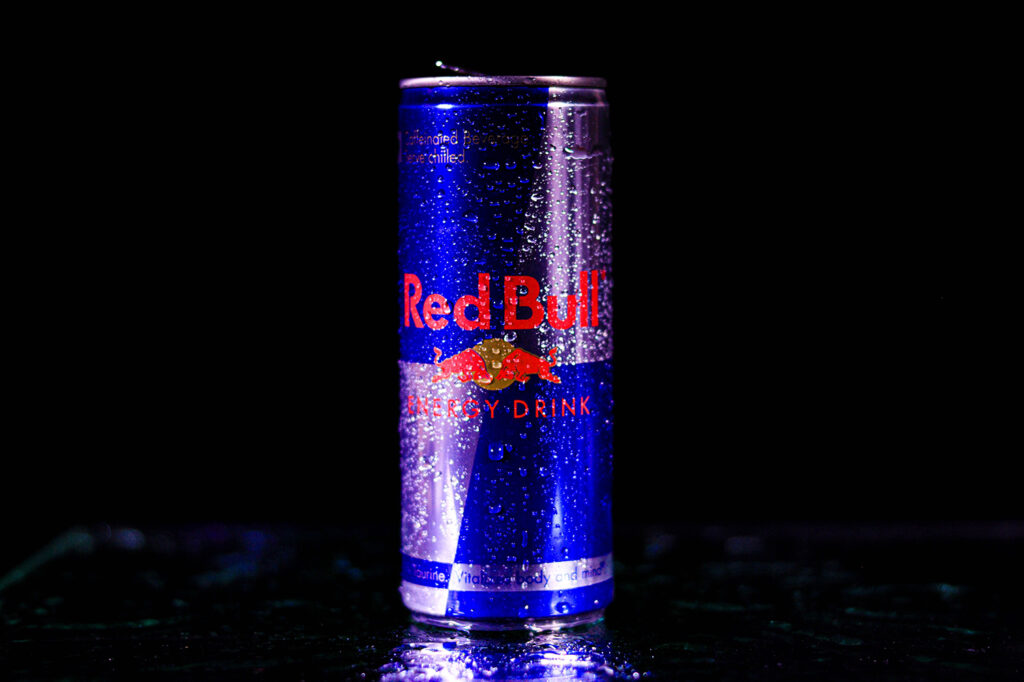
The findings also raise questions for manufacturers and regulators. Clearer ingredient information, responsible marketing and stronger monitoring systems could help consumers make more informed decisions.
Modern lifestyles often reward constant productivity, but relying on stimulants to overcome fatigue can distract from the importance of sleep, balanced nutrition and recovery.
The research does not mean every energy drink consumer will experience a health problem. It does, however, provide a reason to examine the growing use of high-caffeine products more carefully.
The real wellness trend worth embracing may not be finding a faster way to stay awake, but understanding what the body needs to remain healthy over the long term.