





The global travel industry is entering another period of transformation. Airlines are expanding some international connections, withdrawing less profitable routes and introducing new services to capture changing passenger demand. At the same time, digital platforms are using artificial intelligence to make travel planning faster and more personalised.
Recent airline announcements illustrate how quickly international networks are changing. Vietnam Airlines plans to increase its services between Hanoi and India’s New Delhi and Bengaluru from four flights a week to daily operations from December 14, 2026. The expansion reflects growing travel demand between India and Vietnam, strengthening connections for tourists, business travellers and passengers connecting to destinations across Asia and Europe.
Elsewhere, Air China is preparing to restore its Beijing–Montreal nonstop service in March 2027 after a seven-year absence. Etihad Airways has also announced plans to increase its Abu Dhabi–Calgary service to daily flights from October 2027, citing strong early bookings. These developments show that airlines are looking beyond traditional high-volume routes and targeting markets where demand is growing.
However, expansion is only one side of the story. Airlines are also making difficult decisions about profitability. British low-cost carrier Jet2 reported an 18% fall in first-half profit on November 18, 2026, attributing the decline partly to lower fares used to fill aircraft. Higher fuel costs and geopolitical uncertainty are adding pressure to airline operating models. This demonstrates that passenger numbers alone do not guarantee stronger financial performance.
Technology is changing the passenger experience as well. Travel platforms are introducing AI-powered tools that help users compare flight dates, discover lower fares and organise itineraries. Kayak has added new AI features that allow travellers to ask more natural questions about pricing and travel dates. Meanwhile, travel technology company Klook is developing AI-agent capabilities to reduce administrative work for tourism operators.
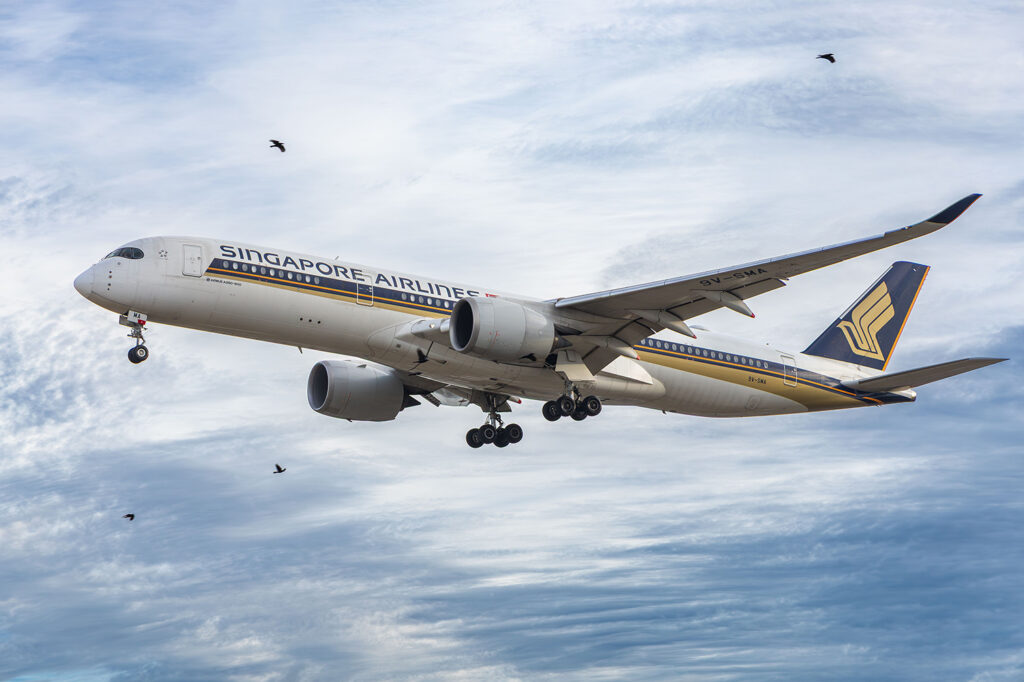
For travellers, these developments could mean easier planning, more route choices and increasingly personalised recommendations. For airlines and travel businesses, however, the challenge is to balance convenience with reliability, operating costs and customer trust.
India is an important part of this changing travel landscape. Growing demand for international holidays, educational travel, business visits and regional tourism is encouraging airlines to strengthen connections between Indian cities and destinations across Southeast Asia and beyond.
The next phase of travel competition may not be decided simply by who offers the cheapest ticket. It will increasingly depend on who provides the most convenient journey, dependable service, useful digital assistance and meaningful travel experiences.
As global mobility evolves, airlines and travel companies that understand changing passenger behaviour will be better positioned to turn rising demand into sustainable growth.