




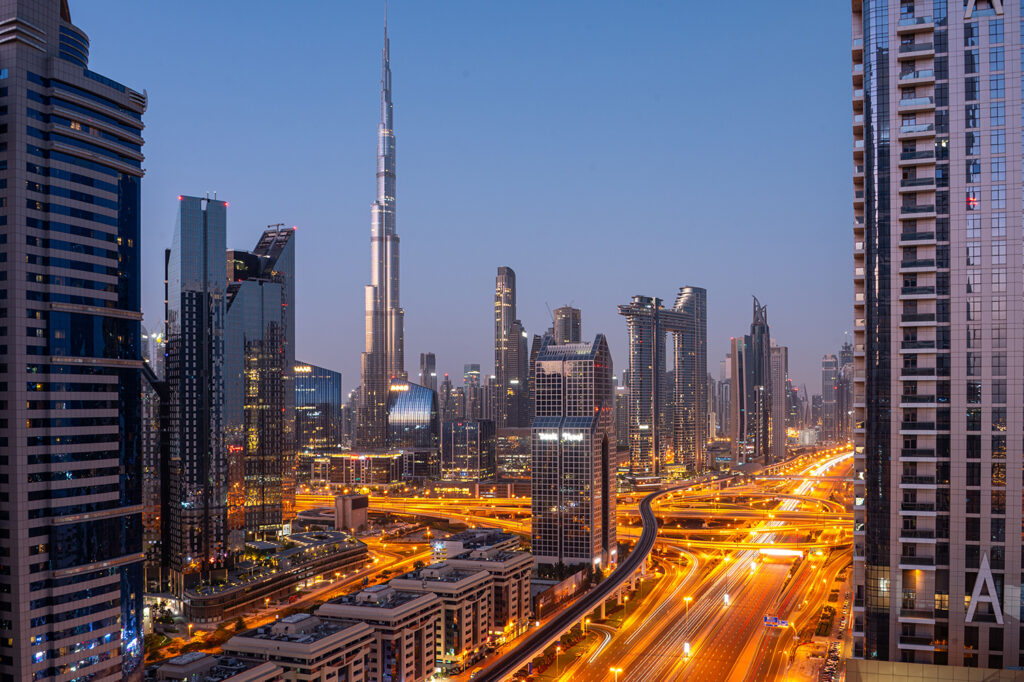
Dubai has built its international reputation as one of the world’s leading tourism and aviation hubs. However, new passenger figures released on November 17, 2026, reveal how geopolitical instability can affect even the most established travel destinations.
Dubai International Airport handled 50.4 million passengers during the first nine months of 2026, representing a 28.1% decline compared with the same period in 2025, according to airport operator Dubai Airports. Reuters reported that the decline was linked to disruptions caused by conflict in the Middle East, which affected regional travel.
The figures are significant because Dubai’s airport is a major international transit hub connecting Europe, Asia, Africa and other parts of the world. Disruptions to regional airspace and travel routes can affect not only tourists visiting the UAE but also passengers connecting through the airport.
The impact extends across the tourism ecosystem. Airlines, hotels, restaurants, travel agencies, shopping destinations and event organisers all depend on visitor movement. A decline in passenger traffic can therefore create pressure across multiple sectors.
Yet the wider global tourism outlook remains positive. According to the World Travel Market Global Travel Report 2026, international overnight arrivals are forecast to reach a record 1.57 billion in 2026, representing an estimated 2% increase compared with 2025.
Europe is expected to welcome approximately 5% more international visitors during the year. Travellers are increasingly considering destinations closer to home, particularly as higher airfares, geopolitical uncertainty and household budget pressures influence travel decisions.
The European Travel Commission also reported that international tourist arrivals to Europe increased by 3% during the summer compared with the same period in 2025. Around 80% of European destinations recorded growth in foreign visits.
These developments reveal an important characteristic of modern tourism: demand can remain strong globally while individual destinations experience sudden disruptions.
Travel businesses are responding by reconsidering their destination strategies, diversifying source markets and developing experiences that appeal to different traveller segments.
The luxury travel market is also evolving. Discussions at Condé Nast Traveler’s Points of View Summit in New York on November 12 highlighted the growing influence of younger travellers, the appeal of all-inclusive resorts and a shift towards experiences rather than simply purchasing products.
Food, culture, local communities and authentic experiences are becoming important elements of destination appeal. Travellers increasingly want to understand the places they visit rather than simply move between attractions.
For India, these trends create opportunities across domestic tourism, heritage travel, wellness tourism, nature-based experiences and regional destinations. However, international uncertainty also highlights the importance of aviation connectivity, visitor safety and destination resilience.
For tourism operators, the lesson is clear: relying too heavily on one source market or a single international travel corridor can expose businesses to sudden disruption.
The future of tourism will depend on adaptability. Destinations that combine reliable infrastructure, strong visitor experiences, cultural identity and effective crisis management may be better positioned to attract travellers in an unpredictable global environment.
Dubai’s latest passenger figures demonstrate how quickly travel patterns can change. The wider global outlook, however, suggests that the desire to explore the world remains strong.