

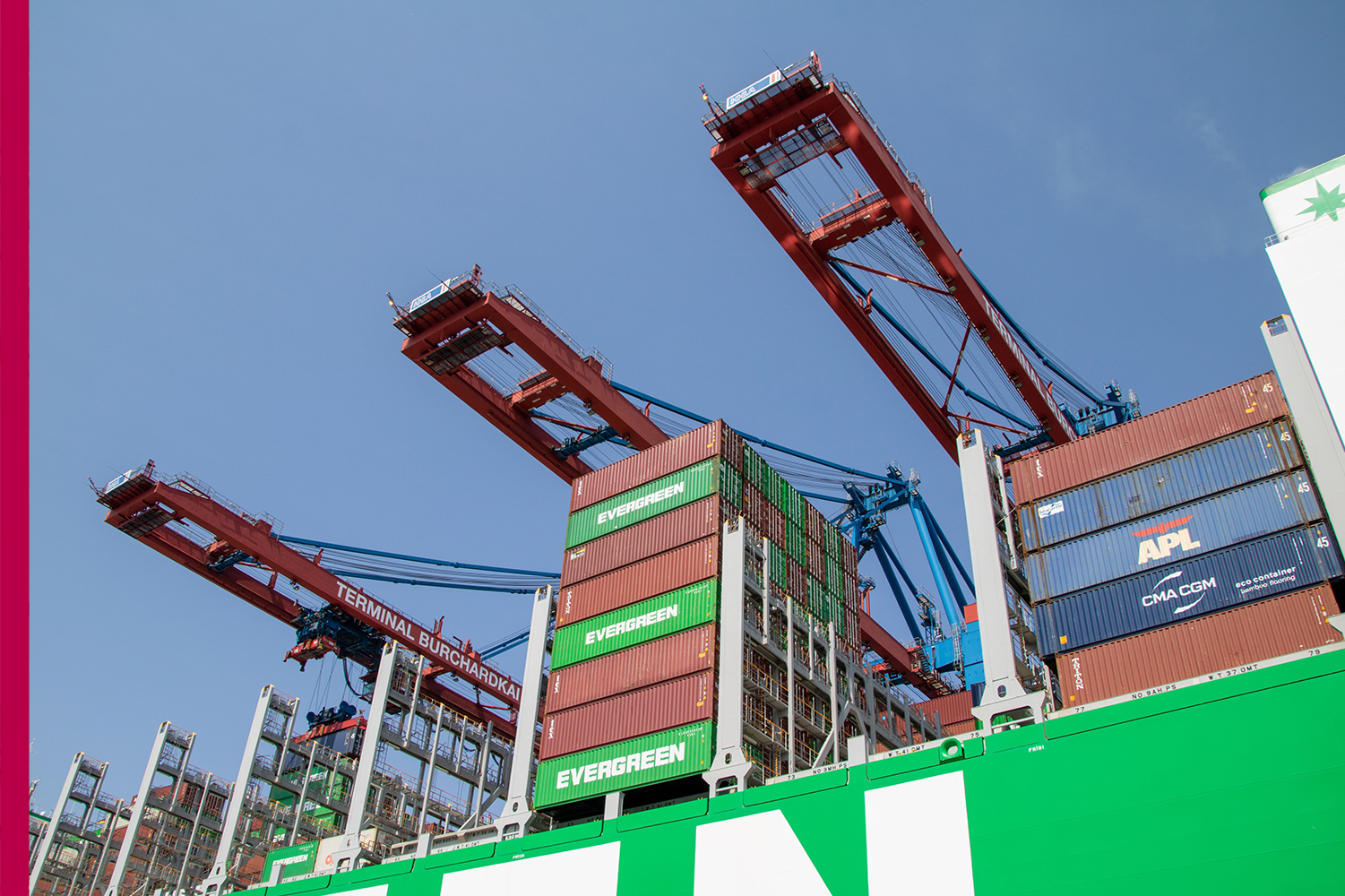


India’s ambition to become a $1 trillion exporter is gaining renewed attention as the country seeks to strengthen its position in global trade. With exports expanding and international supply chains undergoing major changes, policymakers are looking to convert India’s growing economic importance into a larger share of worldwide commerce.
On November 18, 2026, India’s Commerce Secretary Rajesh Agrawal said the country’s exports had increased by 16.6% during April–September of the current financial year. He reiterated the target of achieving $1 trillion in combined goods and services exports in FY2026–27. India’s exports reached a record $863 billion in the previous financial year.
The target is ambitious, but it reflects an important change in India’s economic strategy. Rather than relying only on domestic consumption, the country is seeking to strengthen manufacturing, services, technology and international market access.
India’s position as a potential alternative sourcing destination has become increasingly important as companies reconsider their supply chains. Businesses are looking for ways to diversify production and reduce dependence on a limited number of manufacturing locations. India’s large workforce, growing industrial capabilities, digital infrastructure and expanding domestic market offer opportunities in this transition.
However, export growth is not determined by production capacity alone. Businesses must also meet international quality standards, maintain competitive prices, deliver products on time and navigate different regulatory requirements. Logistics costs, access to finance, customs procedures and trade barriers can influence whether Indian companies succeed in international markets.
The wider economic picture also presents opportunities and uncertainties. Economists cited in a November 18 report expect India’s economy to grow by 7.6% year-on-year in the July–September quarter. Strong consumer demand, passenger vehicle sales and bank credit growth are among the factors supporting the outlook. These figures are estimates rather than the final official GDP release.
Globally, the business environment remains more complicated. Financial markets have been reacting to concerns about technology valuations, interest rates, geopolitical tensions and trade relationships. On November 18, global markets were mixed as investors assessed the outlook for artificial intelligence companies and the possibility of further discussions between the United States and China at the APEC summit.
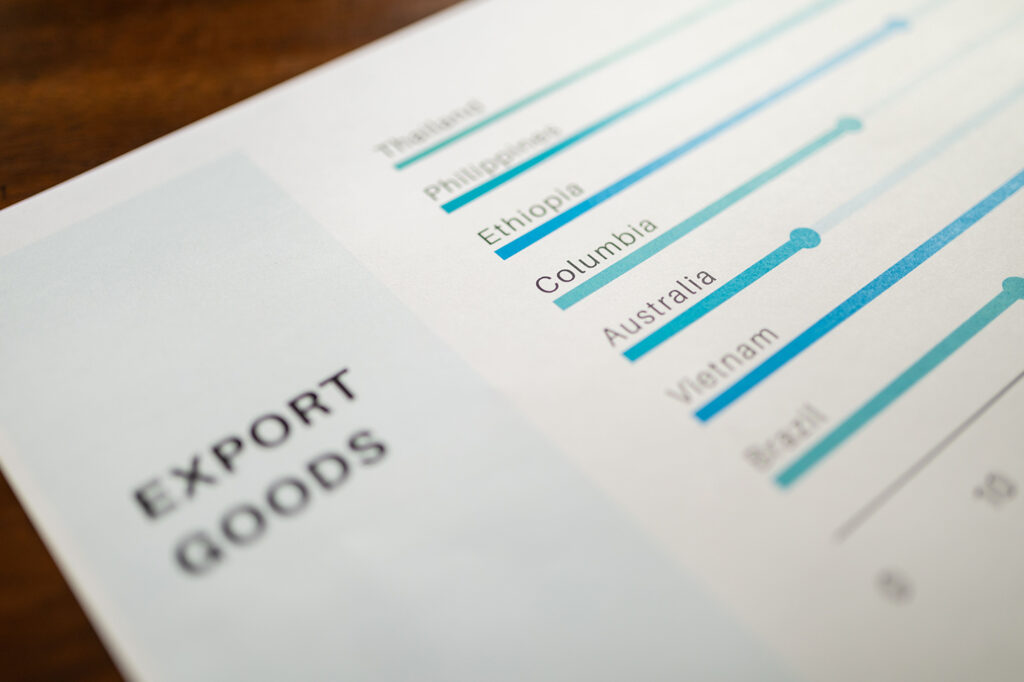
For Indian businesses, this environment creates a combination of opportunity and risk. Exporters may benefit from companies seeking alternative suppliers, but they must also prepare for changing tariffs, regulatory requirements and fluctuations in currency and shipping costs.
The next stage of India’s export journey will depend on whether more domestic businesses can move from supplying individual products to becoming reliable participants in international value chains. This requires investment in technology, skilled employees, research, branding and long-term customer relationships.
The $1 trillion ambition is therefore more than a headline economic target. It is a test of India’s ability to compete on quality, innovation, consistency and global trust.
If businesses can strengthen these foundations, India’s export growth could become a major driver of employment, investment and economic influence in the years ahead.