




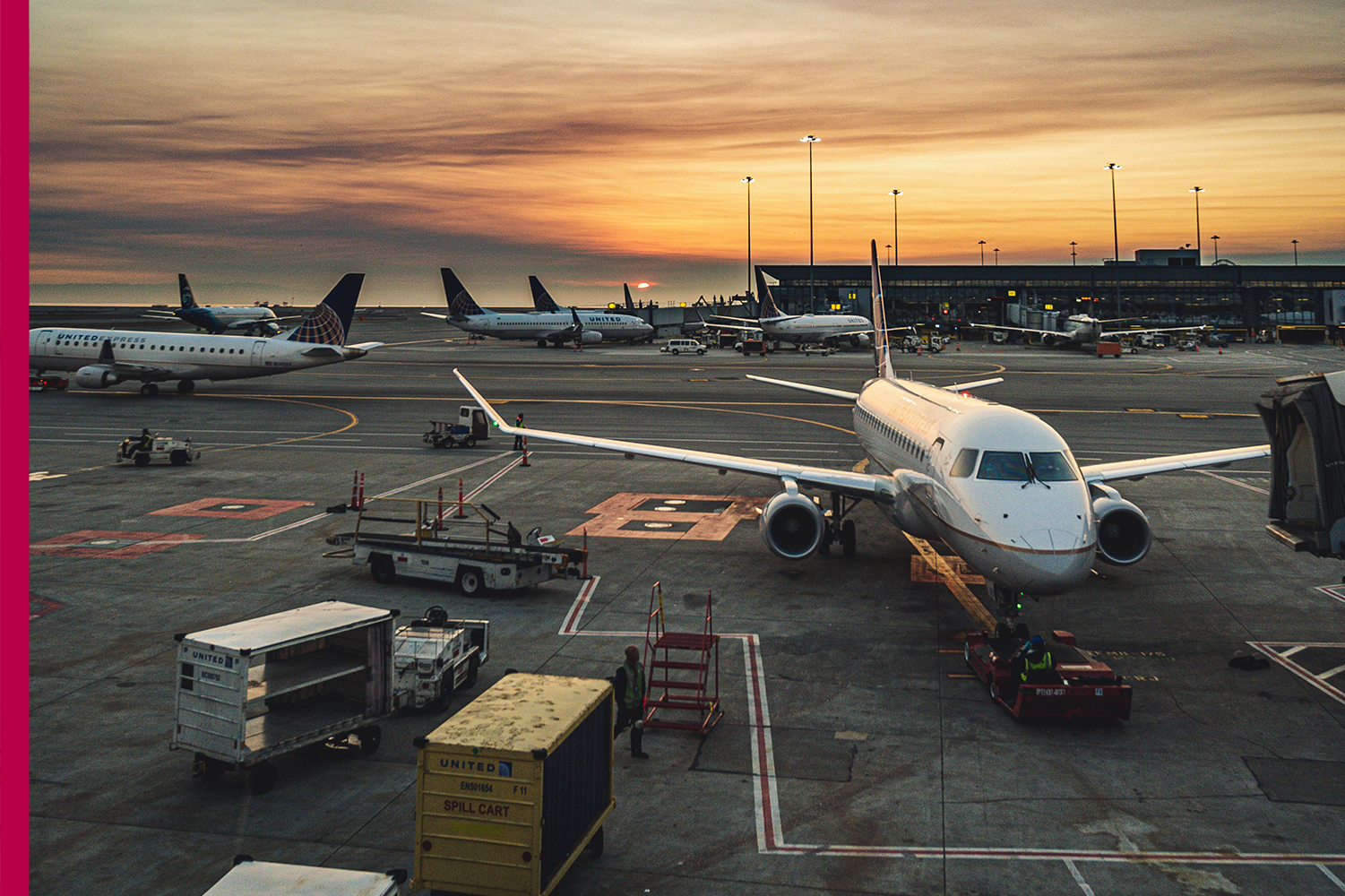
International airports are no longer competing only to handle more flights. They are positioning themselves as major economic gateways, connecting business centres, tourism markets, cargo networks and global investment opportunities.
One of the latest developments came from Copenhagen Airport, which outlined plans on November 25, 2026, to increase its annual passenger capacity to 55 million. The announcement comes as Scandinavian Airlines strengthens its presence at the airport and Copenhagen seeks to reinforce its position as a major Northern European aviation hub.
The expansion reflects a wider shift in airport strategy. Passenger demand, airline partnerships, cargo activity and the quality of connections between destinations are becoming important measures of an airport’s competitiveness.
Singapore Airlines has also started daily nonstop services between Singapore and Western Sydney International Airport, becoming the first international airline to provide daily service to the new Sydney gateway. The service, launched on November 24, uses Airbus A350-900 aircraft and adds another international connection to Australia’s growing western Sydney region.
Meanwhile, KLM Cityhopper announced new services from Amsterdam to Sofia and Shannon for summer 2027, alongside additional Milan connectivity. These routes demonstrate how airlines continue to adjust their networks to capture leisure, business and connecting passenger demand.
However, aviation is not experiencing uninterrupted expansion. Airlines are still dealing with fuel expenses, operational disruption, aircraft availability and geopolitical uncertainty. Pakistan International Airlines, for example, has had to rearrange aircraft for UK services following the interruption of a leasing arrangement with Norse Atlantic, according to a November 26 aviation press review.
Cargo is another important part of the changing aviation market. Demand for artificial intelligence infrastructure equipment is supporting air-freight activity, with shipments of data-centre components and related technology requiring reliable and often time-sensitive transport. This illustrates how developments in one industry can influence demand across the aviation sector.
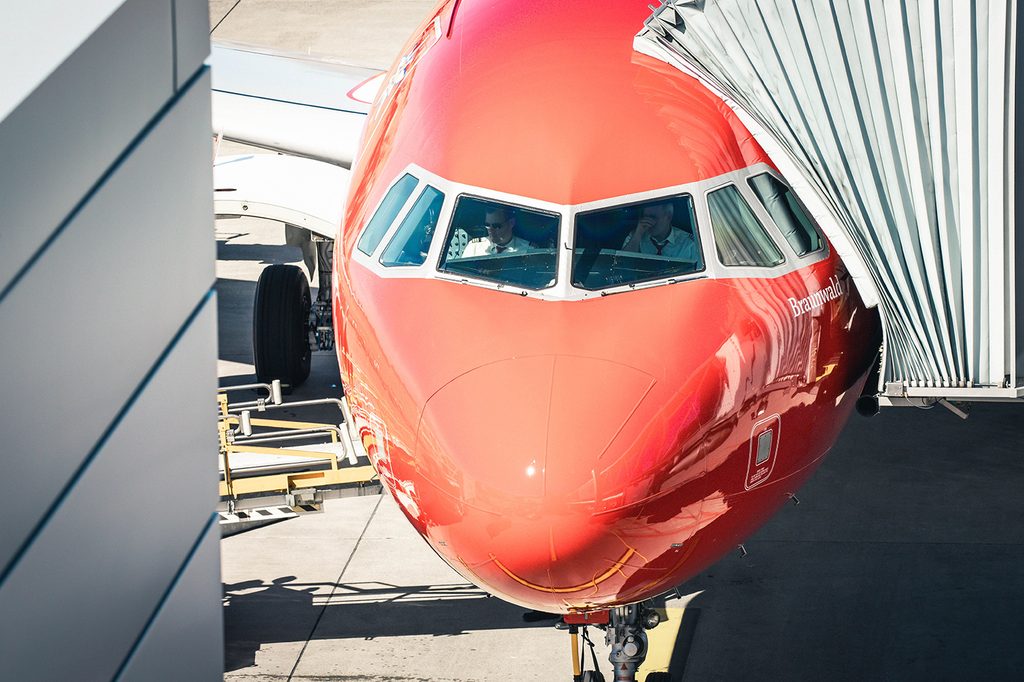
The airport business also has a substantial economic impact beyond ticket sales. Larger passenger networks can support hotels, restaurants, retail businesses, logistics providers, tourism operators and local employment. Airports can become catalysts for regional investment when supported by effective public transport and infrastructure planning.
Yet expansion must be balanced with environmental and community concerns. Airports face pressure to manage noise, emissions, land use and the energy demands of larger operations. Investment in more efficient aircraft, sustainable aviation fuels and improved ground operations will influence the long-term viability of aviation growth.
For travellers, stronger airport networks can mean more direct connections and additional choices. For businesses, improved connectivity can make international markets more accessible and reduce the time required to move people and high-value goods.
The future of aviation will therefore depend on more than the number of passengers passing through terminals. It will depend on how intelligently airports and airlines connect economies, manage capacity and respond to changing global demand.