


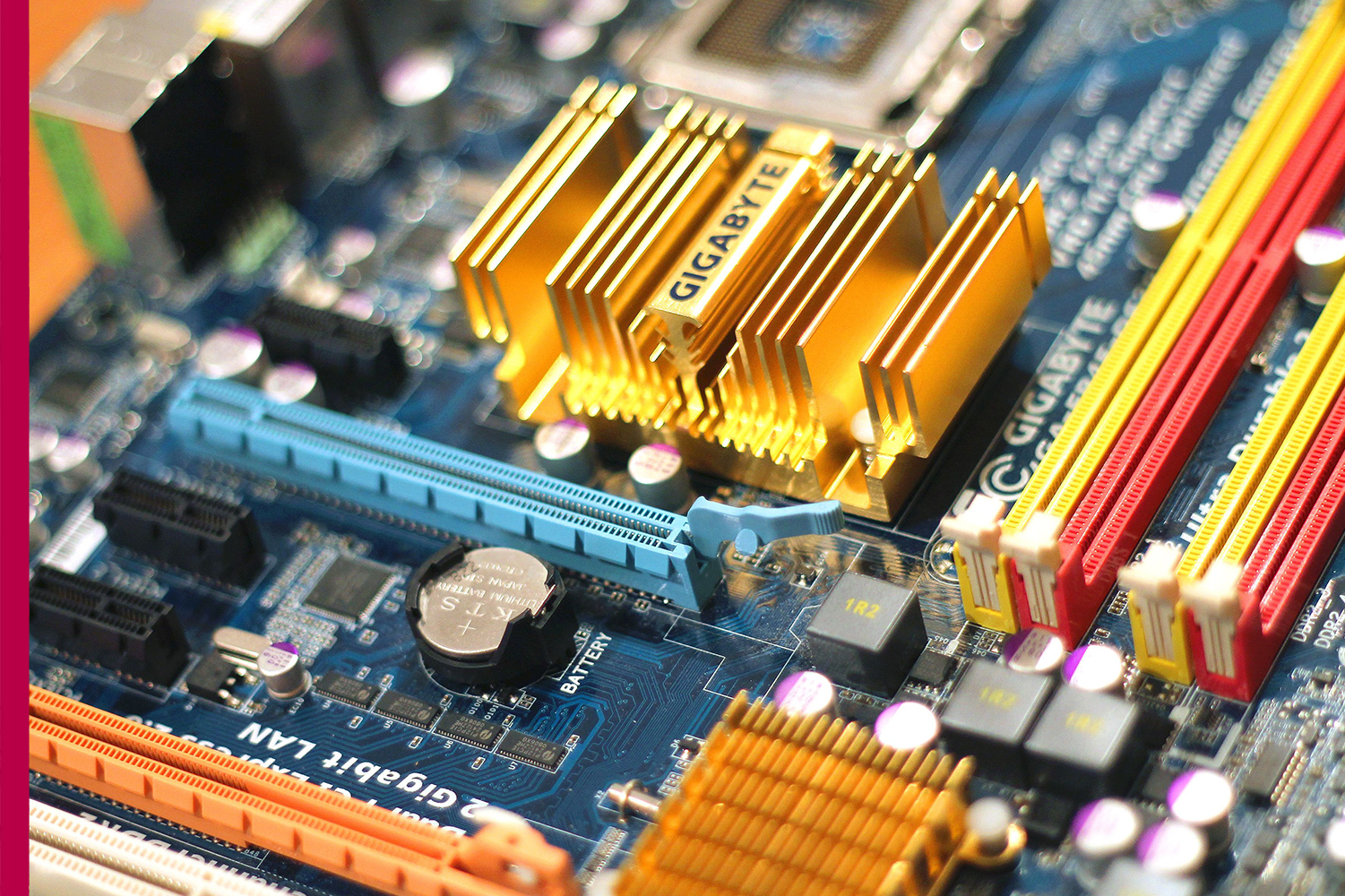

Artificial intelligence is often presented as a competition between software companies developing increasingly capable models. But the foundations of this competition are physical: semiconductor manufacturing, data centres, advanced processors, electricity supplies and international logistics. As governments tighten controls over access to advanced computing, the global technology map is being reshaped.
A major development emerged on November 26, 2026, when Reuters reported that Nvidia had instructed manufacturing partners to halt shipments of servers containing its chips to Malaysia, Singapore, Thailand and Indonesia. The report, originally attributed to the Financial Times, said manufacturers including Dell and Supermicro had informed customers that orders could not be shipped.
The reported pause follows new US export controls that took effect the previous week. The rules require licences for certain advanced-chip shipments to Southeast Asian countries, as Washington seeks to prevent restricted computing resources from reaching Chinese companies through overseas data centres and intermediaries.
The situation remains developing. Reuters said it could not immediately verify the Financial Times report, and Nvidia, Dell and Supermicro had not immediately responded to requests for comment. It was also unclear whether the reported halt would be temporary while companies worked through compliance requirements.
Even with those qualifications, the development illustrates how closely technology investment is now connected to geopolitics.
Southeast Asia has become an important location for data-centre development. Singapore is an established regional digital hub, while Malaysia, Thailand and Indonesia are attracting investment in cloud infrastructure, connectivity and computing facilities. Their geographical position, growing digital markets and industrial development make them attractive locations for technology companies.
However, a data centre is not simply a building filled with servers. It is part of a global network involving chip suppliers, equipment manufacturers, cloud operators, electricity providers, cooling systems, software developers and customers. A restriction affecting one component can influence the commercial plans of many organisations.
The consequences are also visible in China. In a November 26 report, Reuters said new restrictions on access to advanced chips and safeguards against AI-model distillation could delay the development schedules of Chinese AI companies. Sources familiar with the companies said Z.AI’s planned GLM-5.5 model could be pushed from the end of 2026 into 2027 or later. Moonshot AI, which relies partly on rented overseas computing capacity, could also face a longer development cycle for its Kimi models.
These are reported expectations, not confirmed launch cancellations. Nevertheless, they show how access to computing infrastructure can influence the speed at which AI businesses develop new products.
The technology competition is also driving investment in alternative supply chains. Semiconductor packaging, memory chips, high-speed circuit boards and chip-testing equipment are becoming increasingly important. As AI processors become more powerful, manufacturers must find ways to connect multiple components while managing heat, energy consumption and data-transfer speeds.

A Reuters report earlier in November described how the AI boom is turning advanced chip packaging into a new semiconductor battleground. Companies are investing in technologies that combine processors and memory into compact systems, while manufacturers seek additional capacity beyond existing production bottlenecks.
This shift creates opportunities for economies that can contribute to specialised manufacturing. Taiwan remains central to advanced chip production, while Japan and South Korea have important roles in materials, equipment and memory technologies. Southeast Asian countries are seeking to strengthen their positions in assembly, testing and data-centre infrastructure.
The global technology industry must now navigate two priorities that can sometimes conflict. Companies want access to the largest possible markets and the most efficient supply chains. Governments want to protect sensitive technologies, national security and strategic capabilities.
For international businesses, the result is a more demanding compliance environment. Organisations may need to understand not only where a product is manufactured, but also who ultimately uses the computing capacity, where servers are located and whether remote access creates regulatory obligations.
For investors, the issue introduces new risks into the valuation of technology companies. A business may have strong demand for AI services but still face uncertainty over its hardware supply, export permissions or ability to serve particular customers.
Consumers may eventually feel the effects through the cost and availability of digital services, although the impact will vary across markets and products.
The larger lesson is that artificial intelligence is no longer an isolated software revolution. It is becoming a strategic infrastructure industry. The countries that control reliable computing capacity, semiconductor expertise, energy and trusted supply chains will have significant influence over its future.
The next global technology leaders may not be only those who create the most advanced AI models. They may also be the organisations and nations that build, secure and operate the infrastructure that makes those models possible.