

Some of the most powerful stories of human achievement do not begin with extraordinary resources, international recognition or major financial investment. They begin with people who recognise a need in their community and decide that something can be done about it.
Across different parts of the world, young people, artists, educators and volunteers are finding ways to strengthen their communities through communication, culture and shared responsibility. Two recent initiatives highlighted by UNESCO demonstrate how local participation can create opportunities even in challenging environments.
In South Sudan, students at the University of Juba are preparing to launch the university’s first campus community radio station. The initiative, reported by UNESCO on November 11, 2026, has given 30 students practical training in radio journalism, programming, production, news gathering, reporting, presenting and scriptwriting.
The station is being developed at the university’s School of Journalism, Media and Communication Studies with UNESCO support through a project backed by the Japan International Cooperation Agency. Its launch is expected in the coming months.
For the students involved, the opportunity represents much more than learning how to operate microphones and broadcast programmes. It provides a platform to practise journalism in a country where media professionals face challenges involving resources, training, interference and censorship.
Fourth-year journalism student Benjamin Magak sees the station as an opportunity to represent voices that might otherwise remain unheard. His determination reflects the role that young journalists can play in strengthening access to information.
Another student, Bakhita Aluel, has a particularly personal ambition. She wants to demonstrate that journalism is a profession women and girls can pursue despite the difficulties they may encounter. By taking part in the campus station, she hopes to become a visible example for other young women considering a career in media.
Suaka Simon brings another perspective. Having previously worked in communications for a humanitarian organisation, he returned to university to pursue journalism. His experience with reporting on food security and humanitarian issues has shaped his belief that communities need reliable information, especially during crises.
The initiative is not limited to the university. In nearby Terekeka County, volunteers are preparing for the community’s first radio station. Fourteen volunteers have received refresher training, while 35 members of listeners’ clubs have been involved in discussions about programme evaluation and community participation.
The project is part of a wider effort to rehabilitate five radio stations in South Sudan, including facilities in Wau, Yambio and Malakal. The broader objective is to improve access to information and support freedom of expression ahead of, during and after elections scheduled for December 2026.
A different but equally powerful example of community resilience is emerging in Mexico.
On November 25, UNESCO announced a national screening tour for Horizontes de Resiliencia — Horizons of Resilience — a documentary made by artists from Guerrero and the independent film collective Trashumantes. The film follows communities in Acapulco and Coyuca de Benítez as they recover from the devastating effects of Hurricane Otis in 2023 and Hurricane John in 2024.
Hurricane Otis intensified rapidly before striking the region as a Category 5 storm. Families experienced damaged homes, destroyed infrastructure and the emotional consequences of sudden disaster. For children in particular, the experience left lasting fears.
Margarita Castillo’s family was among those affected. After the hurricanes, her son became anxious whenever it started raining, fearing that another storm was approaching. He later participated in cultural workshops organised by local artists and cultural managers.
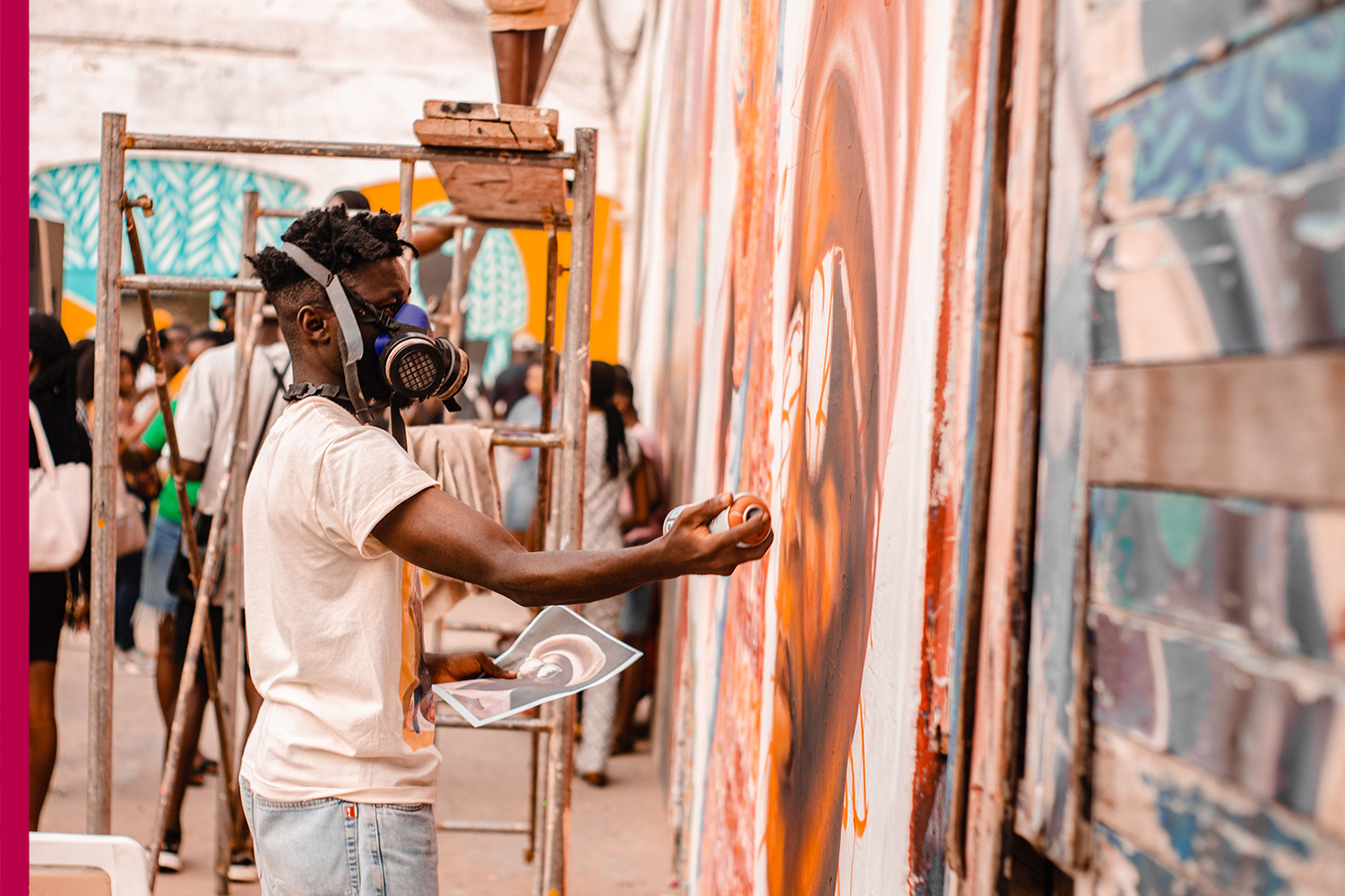
The workshops involved drawing, traditional figures, masks, music, writing and other creative activities. They were designed to help children and families express their experiences and rebuild emotional connections within the community.
Castillo observed that her son became more interested in painting and gradually appeared more settled. Her account illustrates an important dimension of disaster recovery: rebuilding a community requires more than repairing buildings and restoring roads. People also need opportunities to process what happened and reconnect with one another.
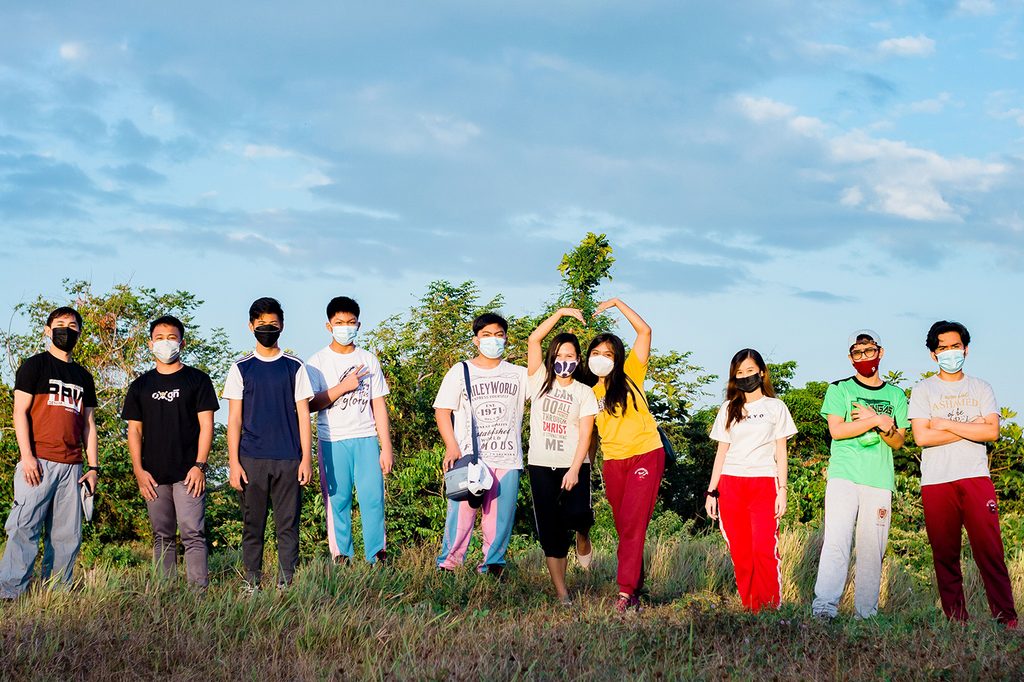
The documentary is now touring 25 cities across 15 Mexican states, encouraging discussion about culture, disaster preparedness, access to information and youth participation.
These two initiatives are different in form, but they share a common principle. In South Sudan, young people are building a platform for community information. In Mexico, artists are helping communities use culture to rebuild after natural disasters.
Neither initiative suggests that local projects can solve every structural challenge. Radio stations need long-term funding, responsible editorial practices and protection for journalists. Cultural recovery programmes require sustained support, professional guidance and connections with wider disaster-management systems.
Yet both demonstrate how meaningful progress can begin when people are given the opportunity to participate rather than simply receive assistance.
For businesses and institutions, these stories offer an important lesson about social responsibility. Supporting education, communication, local culture and community-led projects can create lasting value beyond short-term financial contributions.
For young people, they show that influence does not depend on holding a powerful position. A student learning to report responsibly, a volunteer preparing a radio programme or an artist helping a child express a difficult experience can all contribute to a stronger society.
Human progress is often described through economic indicators and technological achievements. But it is also measured by whether people can find their voices, recover their confidence and help others move forward.
Sometimes, the most meaningful innovation is not a new machine or a major investment. It is a community discovering that it still has the ability to create a better future together.