

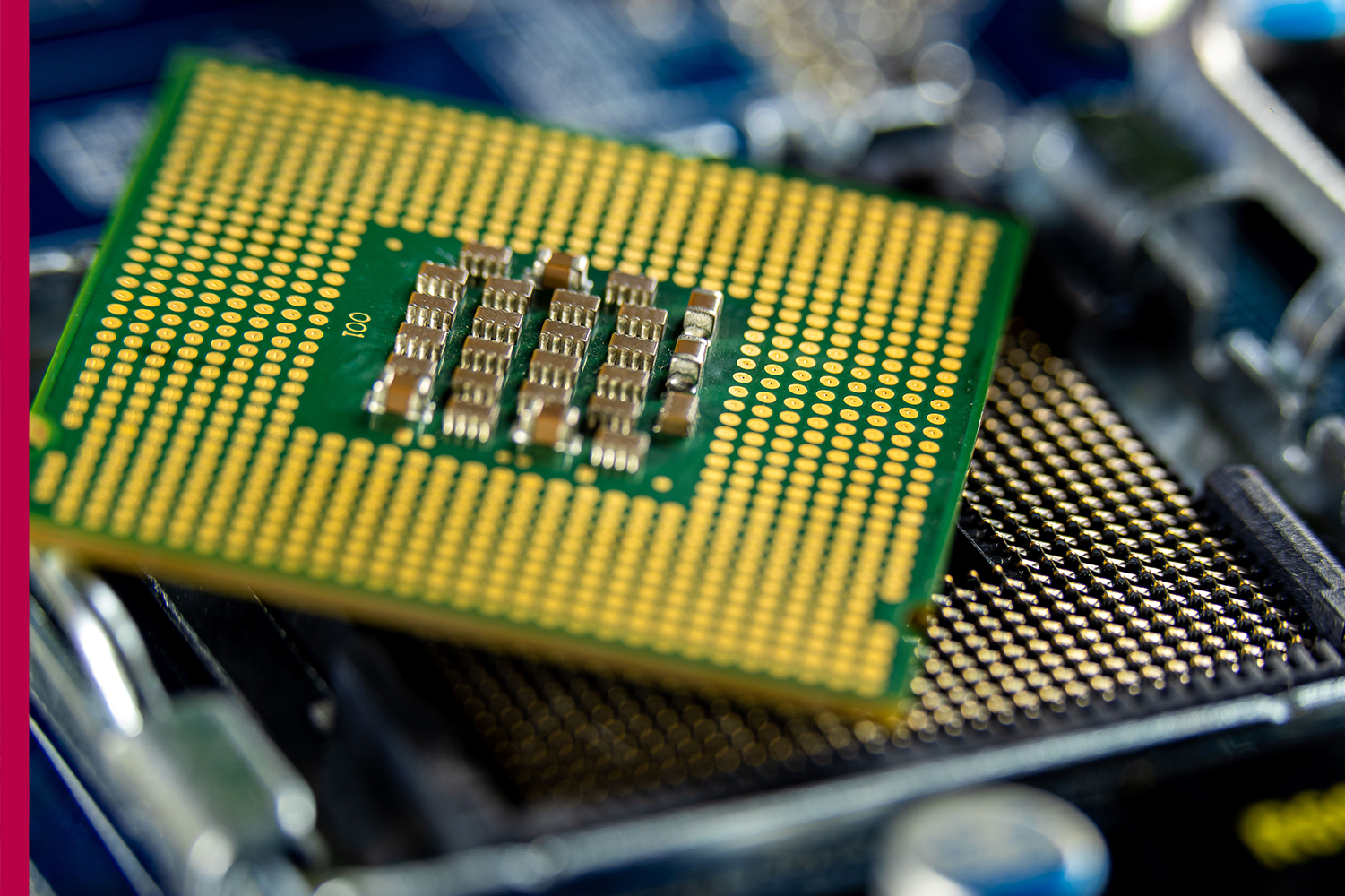


The global artificial intelligence race is increasingly becoming a competition over access to computing power. A new US government rule announced on November 16, 2026, demonstrates how technology regulation is expanding beyond the physical movement of semiconductor chips to include the way advanced computing resources are accessed through international data centres.
The US Department of Commerce’s Bureau of Industry and Security issued an interim final rule addressing remote access to advanced American AI chips and servers. The objective is to prevent companies or other users in restricted markets from accessing sensitive computing technology through data centres located in third countries.
Until recently, export-control discussions largely focused on where advanced chips were manufactured, sold or physically shipped. However, the expansion of cloud computing has created another route: organisations can rent computing capacity remotely without owning or importing the hardware themselves.
This has created a regulatory challenge. A company may be unable to purchase certain advanced processors directly, but could potentially access similar computing power through a cloud provider operating in another country.
The new US rule aims to address this gap by aligning restrictions on remote computing access with existing controls governing physical exports. The Associated Press reported that the measures require overseas data centres serving companies in certain restricted countries to identify end users, while introducing additional licensing requirements for chip sales involving several countries considered higher-risk diversion routes.
The development is significant because advanced semiconductors are central to artificial intelligence training, scientific research, autonomous systems and large-scale cloud services.
Technology companies depend on these processors to build and operate increasingly capable AI models. Data-centre operators, cloud providers and semiconductor manufacturers are therefore likely to face greater scrutiny over customers, ownership structures and how computing resources are used.
The timing is important. The global AI industry is also seeing continued product development. Alibaba announced its Qwen4-Max model in the November 16 technology news cycle, highlighting the growing competition to develop systems with longer context windows, multimodal capabilities and advanced tool use. Performance claims made by developers still require independent evaluation.
These developments reveal two sides of the technology race. Companies are competing to build more capable systems, while governments are attempting to control access to the hardware and infrastructure that make those systems possible.
For businesses, the implications extend beyond semiconductor manufacturers. Cloud service providers, software developers, research institutions and multinational companies may need to review their data-centre arrangements and compliance processes.
For countries developing domestic AI ecosystems, access to reliable computing infrastructure is becoming a strategic priority. Investment in data centres, semiconductor manufacturing, skilled talent and research capabilities may increasingly influence national competitiveness.
The AI revolution is therefore no longer just about who creates the most advanced model. It is also about who controls the computing infrastructure, who can access it and under what conditions.
As governments introduce new rules and technology companies expand their capabilities, the relationship between innovation, international trade and national security will become one of the defining issues of the digital economy.