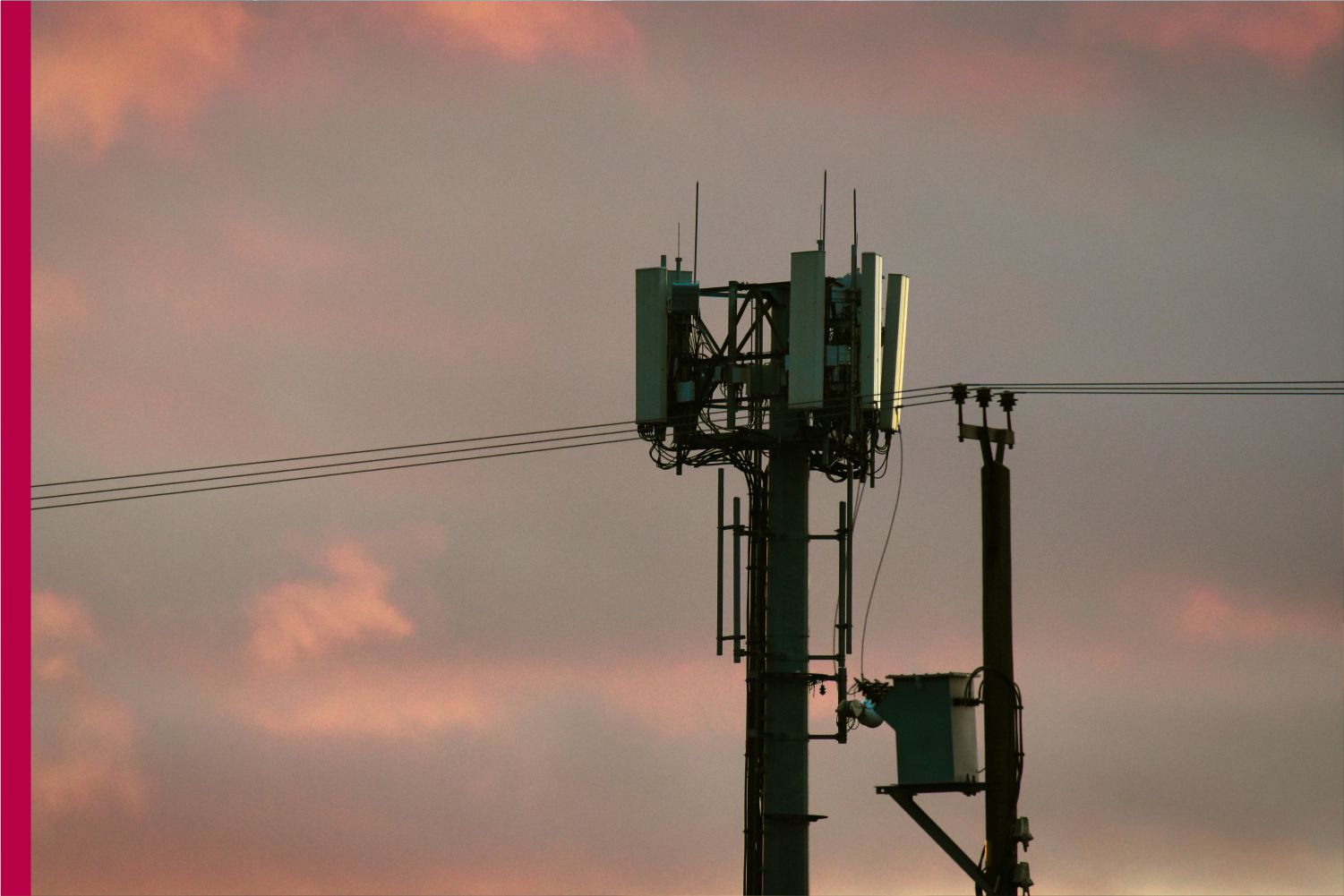
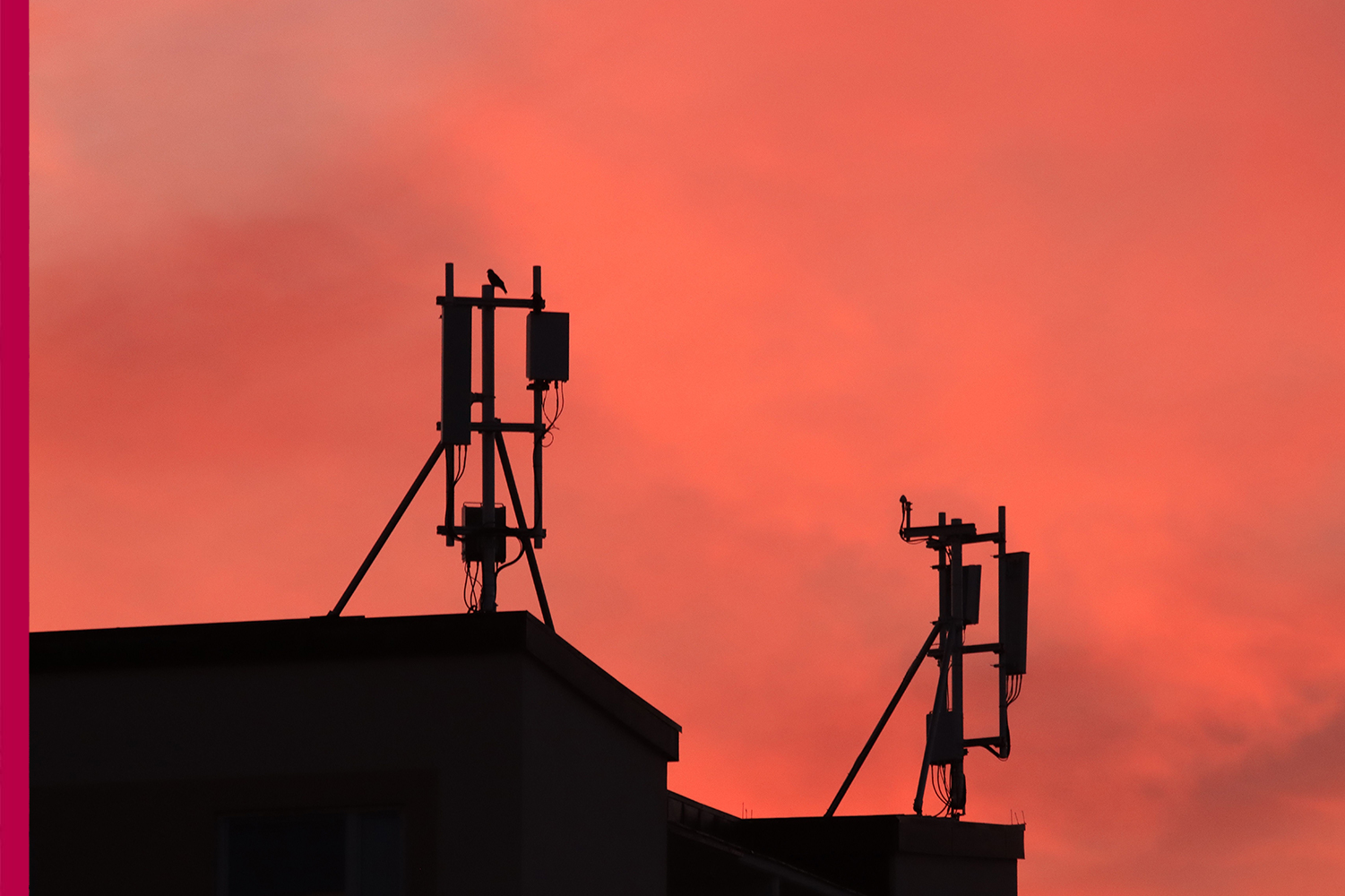


The next major development in telecommunications may not come from building more mobile towers. It could come from connecting ordinary smartphones directly to satellites, bringing mobile connectivity to locations where conventional networks struggle to reach.
India has taken an important regulatory step towards this possibility. On November 5, 2026, the Telecom Regulatory Authority of India (TRAI) released recommendations for a framework governing satellite communication network providers and the assignment of spectrum.
One of the most significant proposals is the development of direct-to-device satellite connectivity. Under this approach, compatible mobile phones could connect to satellite networks, potentially improving coverage in remote regions, mountainous areas, offshore locations and places affected by natural disasters.
The recommendations could allow satellite operators to provide network capacity to existing telecom companies and eligible service providers. Companies such as Starlink, Eutelsat OneWeb and other satellite operators may find new opportunities if the proposed framework is accepted and implemented.
The model could also involve India’s established mobile operators. Reliance Jio, Bharti Airtel and Vodafone Idea could potentially use satellite infrastructure to extend their services beyond areas covered by traditional mobile networks.
However, the recommendations are not the same as final government approval. The Department of Telecommunications will need to consider the proposals and determine the final authorisation and spectrum framework. Commercial availability will also depend on security clearances, technical compatibility and other regulatory requirements.
The development comes as telecom operators around the world explore ways to combine terrestrial mobile networks with non-terrestrial networks. Satellite connectivity can complement existing infrastructure, particularly where building conventional towers is expensive or technically difficult.
Another important development is the expansion of private 5G networks for industrial use. During the week of November 8–14, Verizon Business completed a multisite private 5G rollout across five Thames Freeport locations in the United Kingdom. The project illustrates how dedicated wireless networks can support industrial operations, connected equipment and digital infrastructure.
Private 5G can offer businesses controlled connectivity for applications such as automated manufacturing, warehouse operations, asset tracking and real-time monitoring. Satellite networks, meanwhile, can help extend connectivity across larger geographical areas.
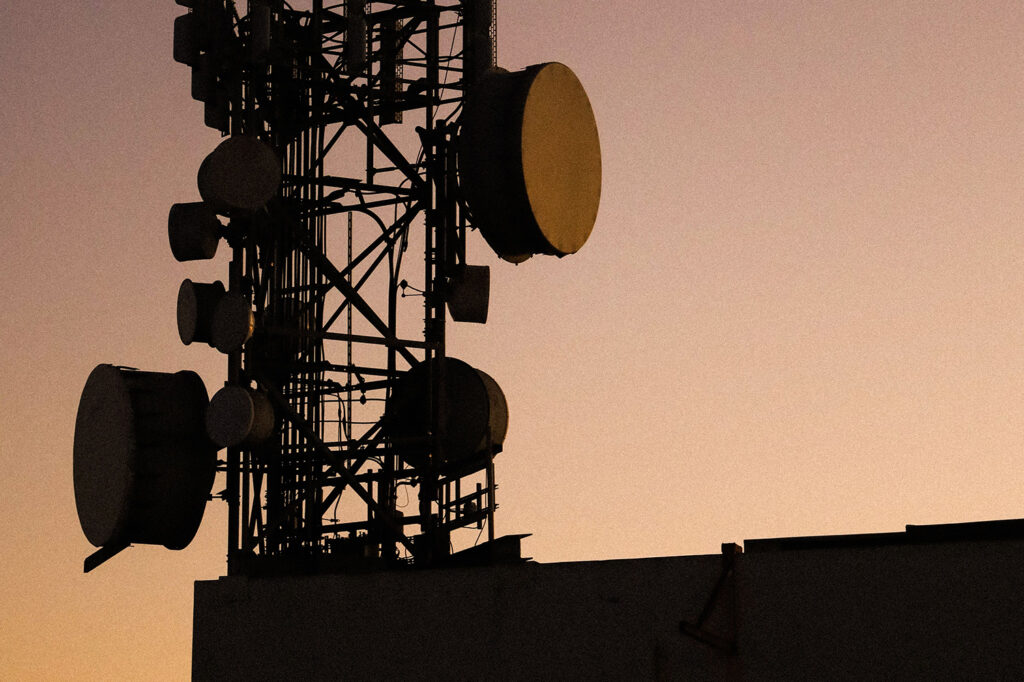
Together, these technologies point towards a more integrated telecommunications environment. Future networks may combine fibre, mobile towers, private wireless systems and satellites rather than depending on one infrastructure model.
For India, the potential benefits are significant. Better connectivity can support rural education, telemedicine, agricultural services, disaster response and logistics operations. Remote industries and maritime businesses could also benefit from more reliable communications.
Challenges remain, including spectrum coordination, service affordability, device compatibility, network security and the cost of satellite infrastructure.
The future of telecommunications will not be measured only by faster download speeds. It will also be measured by how many people, businesses and communities can access reliable connectivity regardless of their location.