



Information Technology (IT) infrastructure is the foundation that supports modern businesses, digital services, and connected societies. As organizations continue to adopt advanced technologies, IT infrastructure is undergoing rapid transformation. From cloud computing and artificial intelligence to cybersecurity and edge computing, emerging trends are changing how businesses store data, manage operations, and deliver digital experiences. The future of IT infrastructure will focus on flexibility, intelligence, security, and scalability.
One of the most significant trends in IT infrastructure is the continued growth of cloud computing. Businesses are moving away from traditional physical systems and adopting cloud-based solutions to improve efficiency and reduce operational costs. Cloud infrastructure allows organizations to store data, run applications, and access computing resources remotely. Hybrid and multi-cloud strategies are becoming popular because they provide greater flexibility, reliability, and control over digital operations.
Artificial Intelligence (AI) and automation are becoming essential components of modern IT infrastructure. AI-powered systems help organizations monitor networks, predict failures, optimize resources, and improve performance. Automated infrastructure management reduces manual tasks and allows IT teams to focus on strategic activities. AI-driven tools can identify potential issues before they affect operations, improving reliability and reducing downtime.
Edge computing is another major trend transforming IT infrastructure. Instead of processing all data through centralized cloud systems, edge computing brings data processing closer to the source where information is generated. This approach reduces delays, improves response times, and supports real-time applications. Edge computing is especially important for industries such as healthcare, manufacturing, autonomous vehicles, and smart cities.
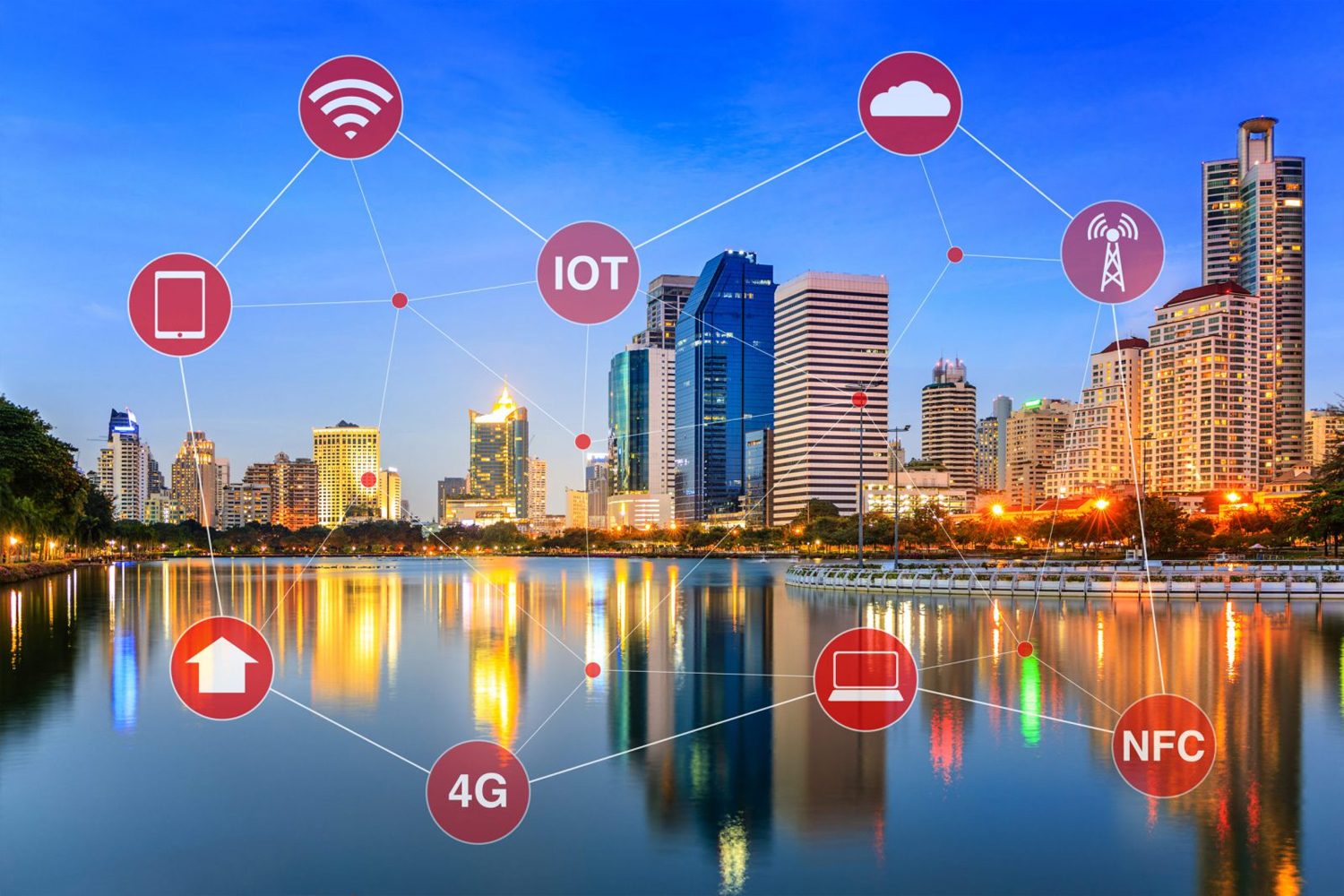
The expansion of 5G networks is also influencing IT infrastructure development. Faster connectivity and lower latency enable businesses to deploy advanced technologies such as Internet of Things (IoT) devices, connected systems, and real-time analytics. 5G infrastructure supports the growth of smart environments where devices, machines, and applications can communicate efficiently.
Cybersecurity has become a top priority in IT infrastructure planning. As organizations become more digital, cyber threats continue to increase in complexity. Modern IT infrastructure requires strong security frameworks, including data encryption, identity management, threat detection, and continuous monitoring. Businesses are adopting a security-first approach to protect sensitive information and maintain customer trust.
The rise of Infrastructure as a Service (IaaS) is changing how companies manage technology resources. Instead of investing heavily in physical hardware, businesses can access computing, storage, and networking resources through service providers. This model provides scalability and allows organizations to adjust resources according to changing demands.
Automation and DevOps practices are improving infrastructure development and management. DevOps encourages collaboration between software development and IT operations teams, enabling faster software delivery and more efficient infrastructure management. Continuous integration and continuous deployment processes help organizations release updates quickly while maintaining quality and security.
The growth of Internet of Things (IoT) is creating new infrastructure requirements. Connected devices generate massive amounts of data that require advanced storage, processing, and communication systems. Smart homes, industrial automation, healthcare monitoring, and smart cities depend on strong IT infrastructure capable of managing large-scale device networks.
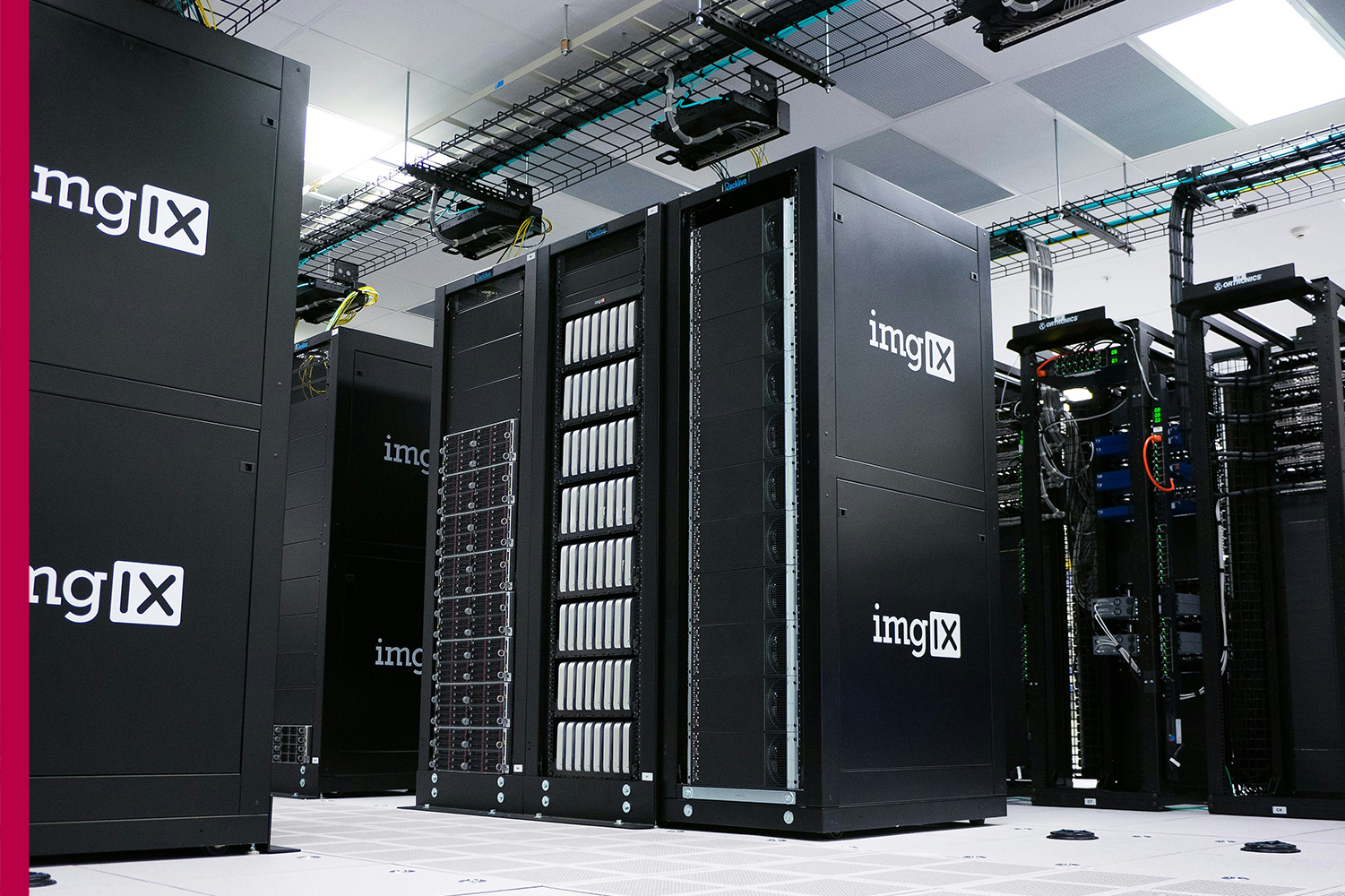
Sustainability is becoming an important consideration in IT infrastructure design. Data centers and digital systems require significant energy resources, leading organizations to focus on energy-efficient technologies. Green data centers, renewable energy adoption, and improved cooling systems are helping reduce environmental impact. Sustainable IT infrastructure supports both business goals and environmental responsibility.
The future of IT infrastructure will also involve increased adoption of blockchain, quantum computing research, and advanced analytics. These technologies have the potential to improve data security, processing capabilities, and digital services across industries.
However, organizations face challenges while upgrading IT infrastructure. High implementation costs, skill shortages, data privacy concerns, and integration difficulties require careful planning. Businesses must invest in employee training and strategic technology adoption to maximize the benefits of new infrastructure solutions.
In conclusion, IT infrastructure trends are redefining the digital world by enabling faster, smarter, and more secure technology environments. Cloud computing, AI, edge computing, cybersecurity, automation, and sustainability are shaping the next generation of IT systems. As digital transformation continues, organizations that adopt flexible and innovative infrastructure strategies will be better prepared for future opportunities and challenges.