



The telecommunications industry has always been at the center of global connectivity, enabling communication, business operations, digital services, and technological progress. From basic voice communication to high-speed internet and smart connected devices, telecom networks have continuously evolved to meet changing human needs. The future of the telecom industry will be shaped by advanced technologies, increasing demand for connectivity, artificial intelligence, and the development of smarter digital ecosystems.
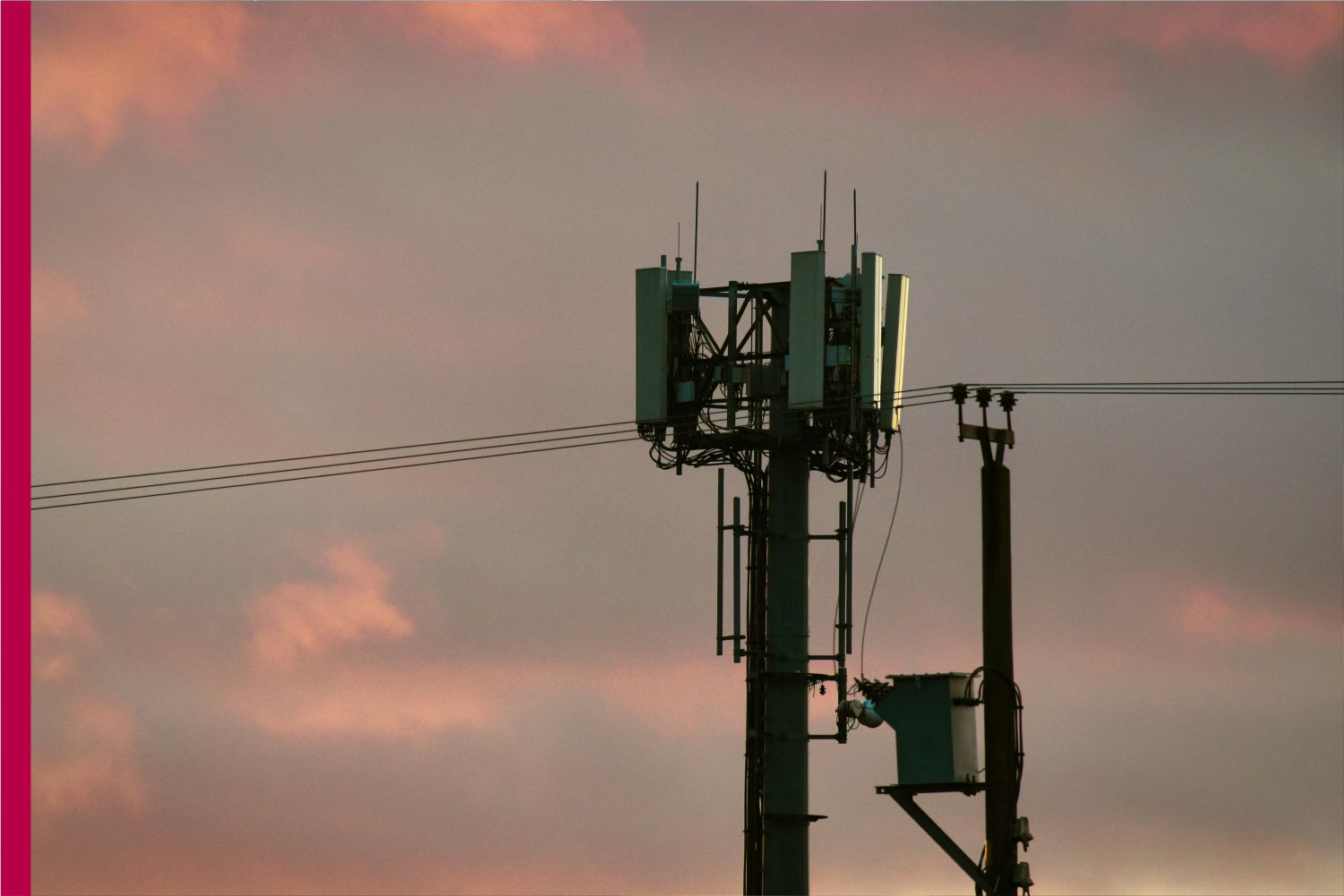
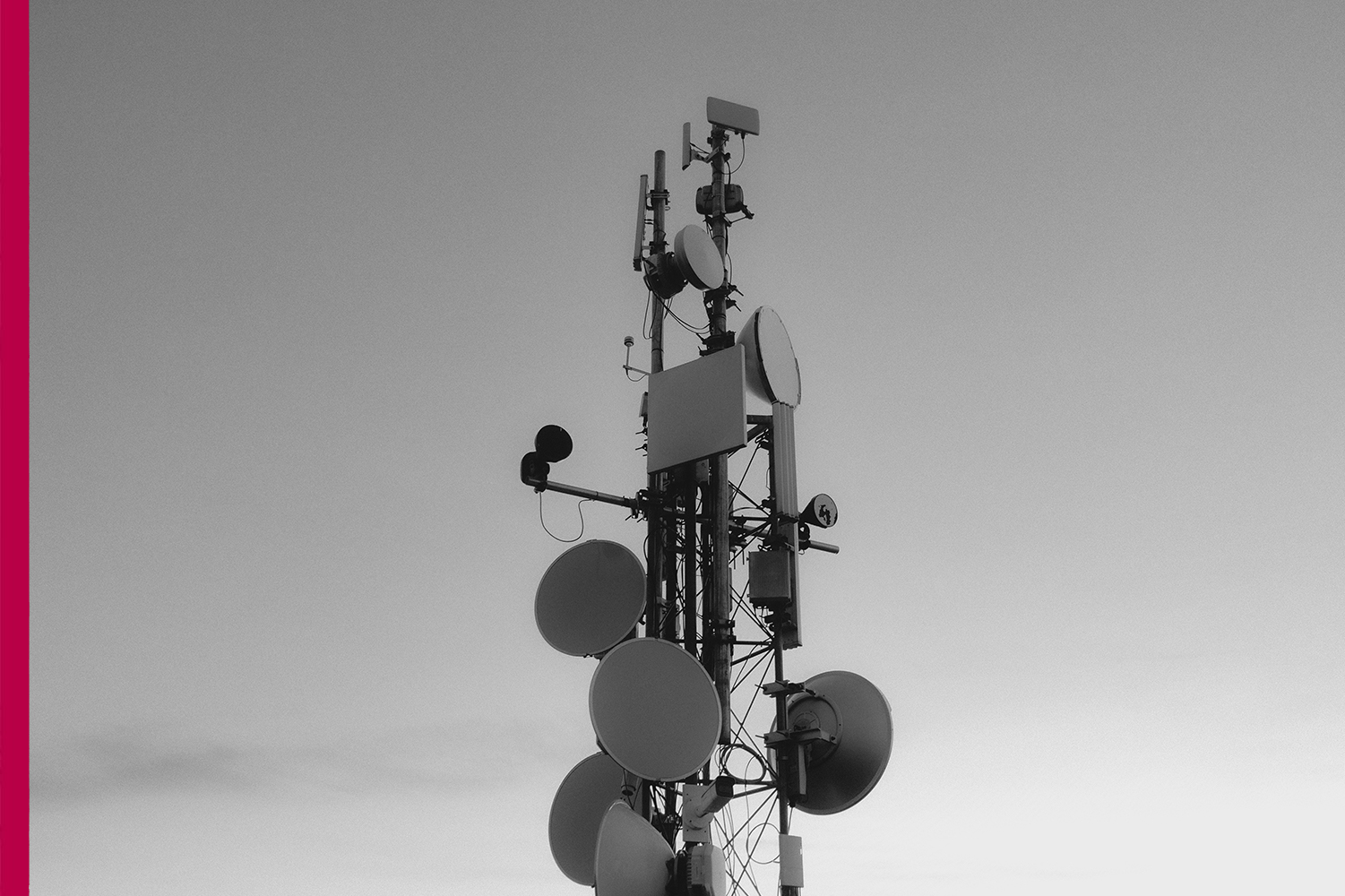
One of the biggest forces transforming the telecom sector is the expansion of next-generation networks. The growth of 5G technology is creating faster, more reliable, and lower-latency communication systems. Unlike previous network generations, 5G supports not only smartphones but also smart cities, autonomous vehicles, industrial automation, and connected devices. As 5G adoption increases, telecom companies are focusing on building stronger infrastructure to support a highly connected future.
The future of telecom will also be influenced by the development of 6G technology. Although still in the research and development stage, 6G is expected to provide even greater speeds, improved connectivity, and advanced capabilities. Future networks may support technologies such as holographic communication, immersive virtual experiences, advanced robotics, and real-time global connectivity. Telecom innovation will continue to push the boundaries of digital communication.
Artificial Intelligence (AI) is becoming an important part of telecom operations. AI helps telecom companies improve network performance, predict maintenance needs, manage customer services, and enhance security. AI-powered systems can analyze large amounts of network data to identify problems before they affect users. Automated customer support and intelligent network management are helping telecom providers deliver faster and more efficient services.
The Internet of Things (IoT) is another major factor shaping the future of telecommunications. Billions of connected devices are expected to communicate through telecom networks, creating demand for reliable and scalable infrastructure. Smart homes, wearable devices, healthcare systems, industrial equipment, and smart transportation networks all depend on strong telecom connectivity. The telecom industry will play a key role in enabling the connected world.
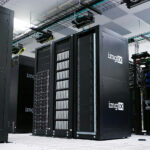
Cloud technology and edge computing are also changing telecom operations. Cloud-based telecom solutions allow companies to manage services more efficiently, reduce costs, and improve flexibility. Edge computing brings data processing closer to users and devices, reducing delays and improving performance. These technologies are essential for applications requiring real-time responses, such as autonomous vehicles and smart manufacturing.
Cybersecurity will become increasingly important as telecom networks become more advanced. More connected devices and digital services create greater risks of cyber threats. Telecom companies must invest in advanced security systems, data protection methods, and privacy solutions to protect users and maintain trust. Future telecom networks will require strong security frameworks built into every level of infrastructure.
The telecom industry is also moving toward greater sustainability. Network infrastructure requires significant energy resources, and companies are exploring ways to reduce environmental impact. Renewable energy, energy-efficient equipment, and green data centers are becoming important components of telecom strategies. Sustainable practices will help the industry support digital growth while addressing environmental responsibilities.
Customer expectations are also changing the telecom landscape. Users now demand faster speeds, seamless connectivity, personalized services, and affordable solutions. Telecom providers are shifting from traditional communication services toward becoming digital service providers. They are offering cloud solutions, entertainment platforms, financial services, and enterprise technology solutions to meet broader customer needs.
Satellite communication is expected to become an important part of future telecom networks. Advanced satellite systems can help provide connectivity in remote and underserved areas where traditional infrastructure is difficult to build. Combining satellite networks with terrestrial communication systems can improve global internet access and reduce the digital divide.
However, the telecom industry faces several challenges, including high infrastructure costs, regulatory requirements, competition, and the need for continuous innovation. Building advanced networks requires significant investment and collaboration between governments, technology companies, and telecom operators.
In conclusion, the future of the telecom industry will be driven by connectivity, intelligence, and innovation. Technologies such as 5G, AI, IoT, cloud computing, and advanced networks will redefine communication and create new possibilities across industries. As telecom continues to evolve, it will remain a critical foundation for digital transformation, economic growth, and a more connected world.