


Sports infrastructure development plays a crucial role in promoting athletic talent, encouraging healthy lifestyles, and strengthening the sports ecosystem. Modern sports facilities are no longer limited to stadiums and playing fields; they now include advanced training centers, smart arenas, fitness facilities, sports technology systems, and community spaces. As interest in sports continues to grow globally, investment in quality infrastructure has become essential for supporting athletes, hosting competitions, and increasing public participation.
A strong sports infrastructure system provides athletes with the resources needed to improve performance. Training grounds, professional coaching facilities, fitness centers, rehabilitation units, and advanced equipment help athletes develop their skills and compete at higher levels. Without proper infrastructure, even talented athletes may struggle to reach their full potential. Developing accessible and well-equipped facilities creates opportunities for discovering and nurturing future sports champions.
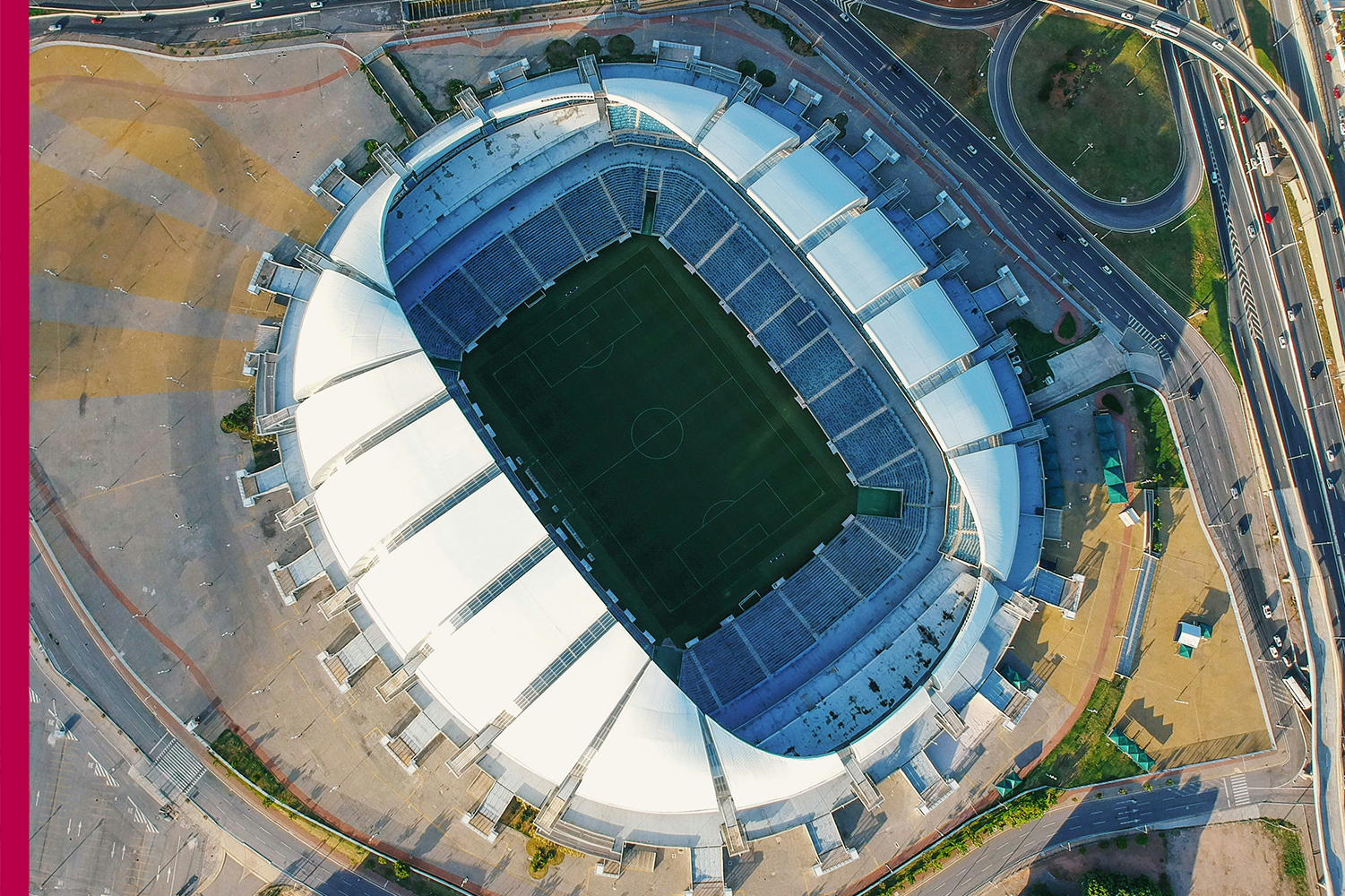
One of the biggest drivers of sports infrastructure development is the increasing popularity of professional sports. Major sporting events require world-class stadiums, transportation systems, accommodation facilities, and security arrangements. Countries and cities invest in sports infrastructure to host national and international competitions, attract tourism, and create economic opportunities. Well-designed sports venues can become important landmarks that contribute to urban development.
Technology is transforming modern sports infrastructure. Smart stadiums and training facilities now use advanced technologies such as Artificial Intelligence (AI), data analytics, digital ticketing, and automated systems. These innovations improve athlete performance, enhance spectator experiences, and increase operational efficiency. For example, performance tracking systems help coaches analyze player movements, while smart facilities improve crowd management and safety.
Community-based sports infrastructure is equally important. Local sports facilities such as playgrounds, fitness centers, and recreational spaces encourage people of all ages to participate in physical activities. Community sports development helps promote health, teamwork, discipline, and social interaction. Accessible facilities in schools, neighborhoods, and public spaces are essential for building a strong sports culture.
The development of sports infrastructure also supports youth development. Schools and educational institutions require proper playgrounds, training facilities, and sports programs to encourage student participation. Early exposure to sports helps children develop physical fitness, leadership qualities, confidence, and teamwork skills. Investing in youth sports infrastructure creates a foundation for long-term athletic growth.
Sustainability has become an important aspect of modern sports infrastructure planning. Sports organizations and developers are focusing on environmentally responsible designs that reduce energy consumption and environmental impact. Green stadiums, renewable energy systems, water conservation methods, and sustainable construction materials are becoming common features of new sports projects. Sustainable infrastructure ensures that sports development aligns with environmental goals.
The growth of indoor sports facilities is another emerging trend. Changing weather conditions, urban space limitations, and increasing demand for year-round activities have increased the need for indoor arenas. These facilities allow athletes and communities to participate in sports regardless of external conditions. Indoor infrastructure supports sports such as basketball, badminton, swimming, martial arts, and fitness activities.
Sports infrastructure development also contributes to economic growth. Construction projects create employment opportunities, while sports events generate revenue through tourism, sponsorships, ticket sales, and local businesses. Improved sports facilities can attract investment and encourage the growth of related industries such as sports equipment, fitness services, media, and entertainment.
However, developing sports infrastructure comes with challenges. High construction costs, maintenance requirements, limited funding, and unequal access remain major concerns. Some regions have advanced facilities, while others lack basic sports resources. Governments, private organizations, and communities need to work together to ensure balanced and inclusive sports development.
Public-private partnerships are becoming an effective approach for expanding sports infrastructure. Collaboration between governments and private companies can bring financial support, expertise, and innovative solutions. These partnerships help create high-quality facilities while ensuring long-term management and sustainability.
In conclusion, sports infrastructure development is essential for creating a strong and inclusive sports environment. From professional stadiums to community playgrounds, quality facilities support athletes, encourage participation, and contribute to social and economic growth. The future of sports will depend on smart, sustainable, and accessible infrastructure that empowers people and inspires the next generation of athletes.