



The Future of Mining
How Automation and Critical Minerals Are Reshaping the Industry
The mining industry is entering a new era as technological innovation, rising demand for critical minerals, and environmental priorities reshape how natural resources are discovered and extracted. From the minerals required for electric vehicles to the metals used in renewable energy infrastructure, mining continues to play a significant role in the development of modern economies.
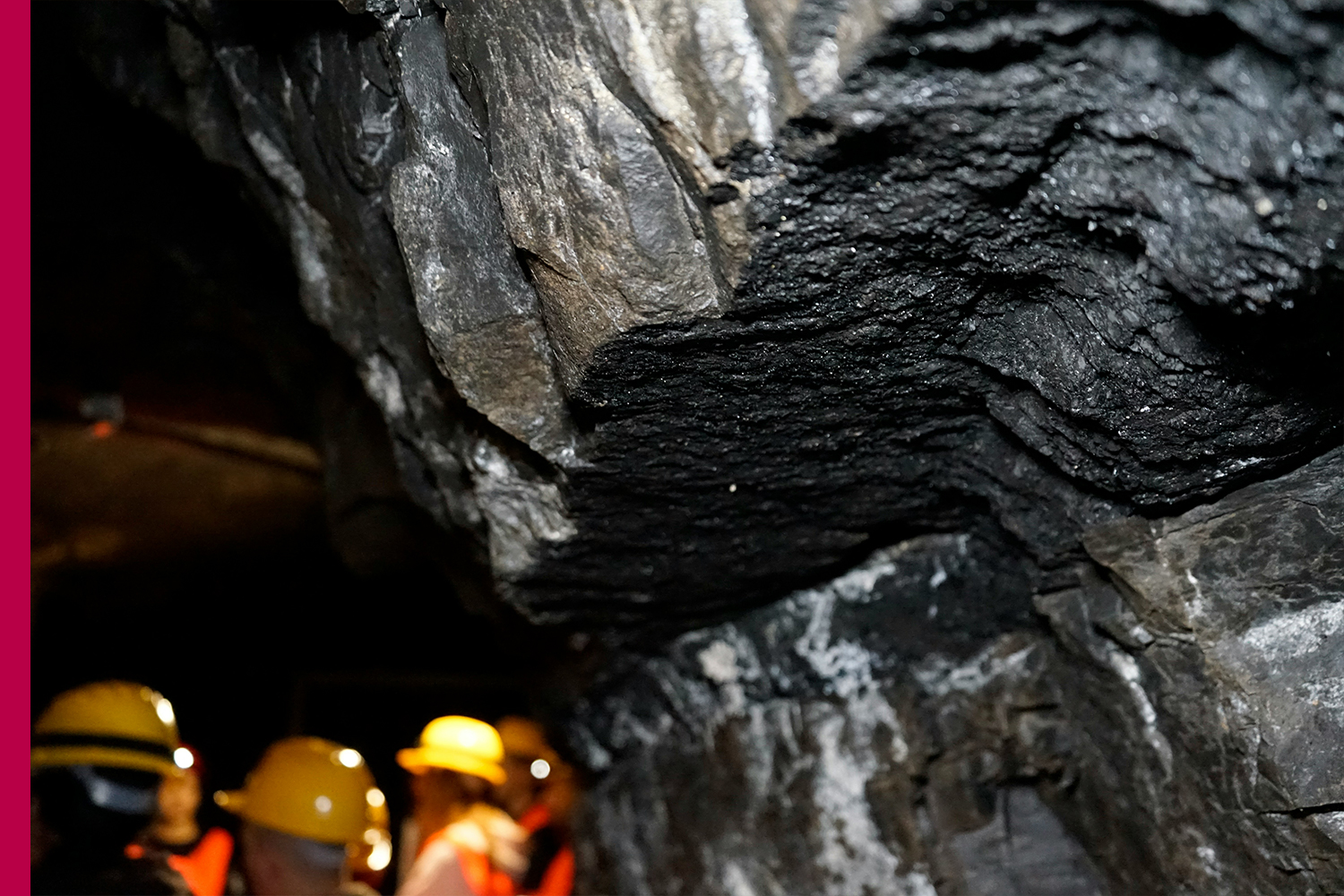
One of the most important trends is the growing demand for critical minerals. Copper, lithium, nickel, graphite, and rare earth elements are essential to various technologies, including batteries, electrical networks, electronics, and renewable energy systems. As countries invest in electrification and cleaner energy, reliable access to these materials has become an increasingly important economic and strategic priority.
Artificial intelligence is transforming mining operations by helping companies analyse geological information, interpret exploration data, and identify promising mineral deposits. Machine learning systems can process large datasets to support exploration decisions and improve operational planning. Although these technologies cannot eliminate geological uncertainty, they can help mining companies allocate resources more efficiently.
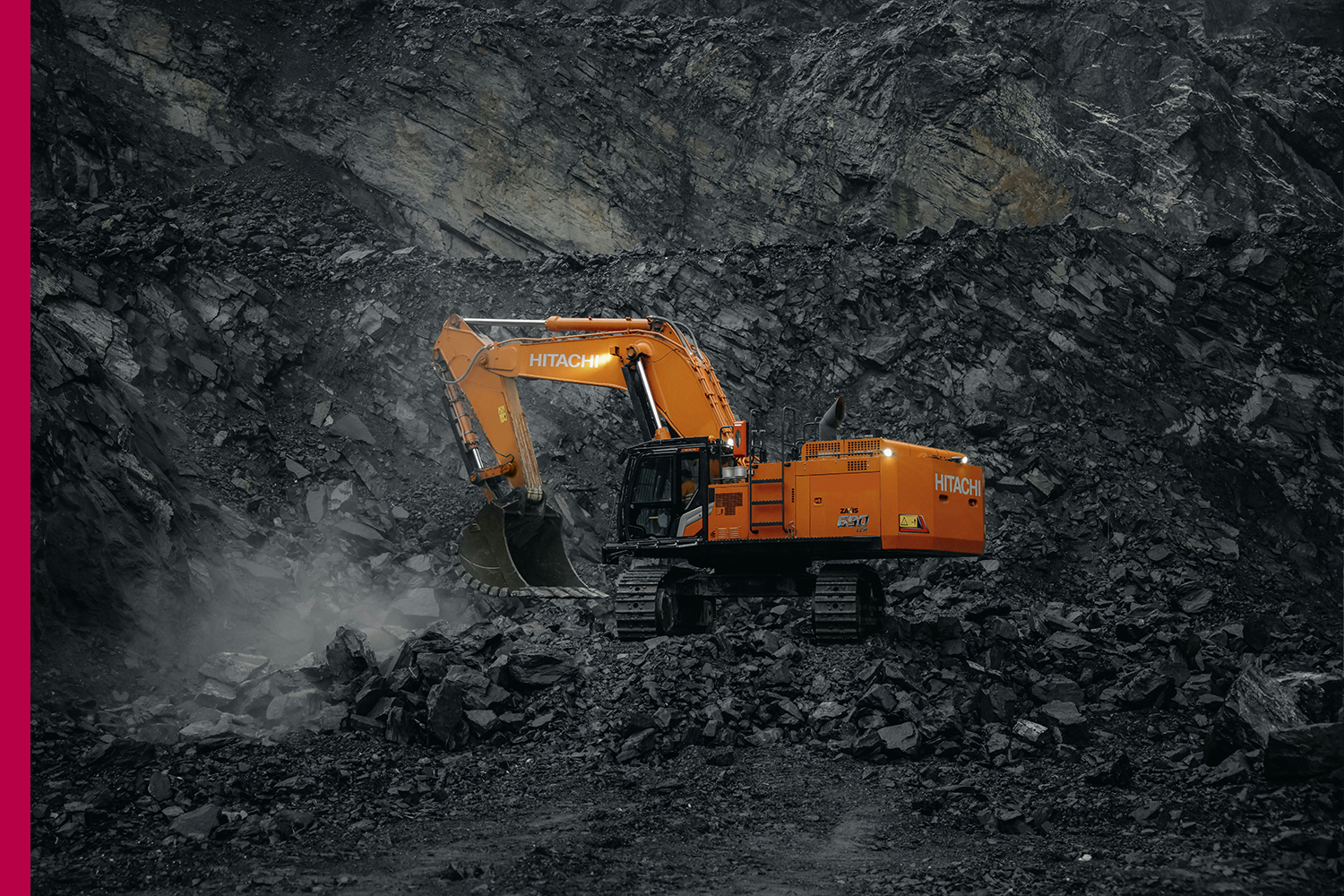
Automation is another significant development. Autonomous haulage trucks, remotely operated equipment, automated drilling systems, and intelligent monitoring platforms are changing how mines operate. These technologies can improve operational consistency and reduce the need for workers to perform certain tasks in hazardous environments. Human expertise remains essential for supervision, engineering, maintenance, and critical decision-making.
Digital technologies are also helping mining companies monitor equipment and improve productivity. Sensors can track machinery performance, identify unusual operating conditions, and support predictive maintenance. By detecting potential failures earlier, operators can reduce unexpected downtime and improve the reliability of essential equipment.
Environmental responsibility has become a central issue for the sector. Mining can affect land, water, biodiversity, and nearby communities. Companies are increasingly expected to manage these impacts through responsible site planning, water conservation, waste management, land rehabilitation, and transparent environmental monitoring. Technological improvements can support these efforts, but effective environmental management also requires strong regulation and accountability.
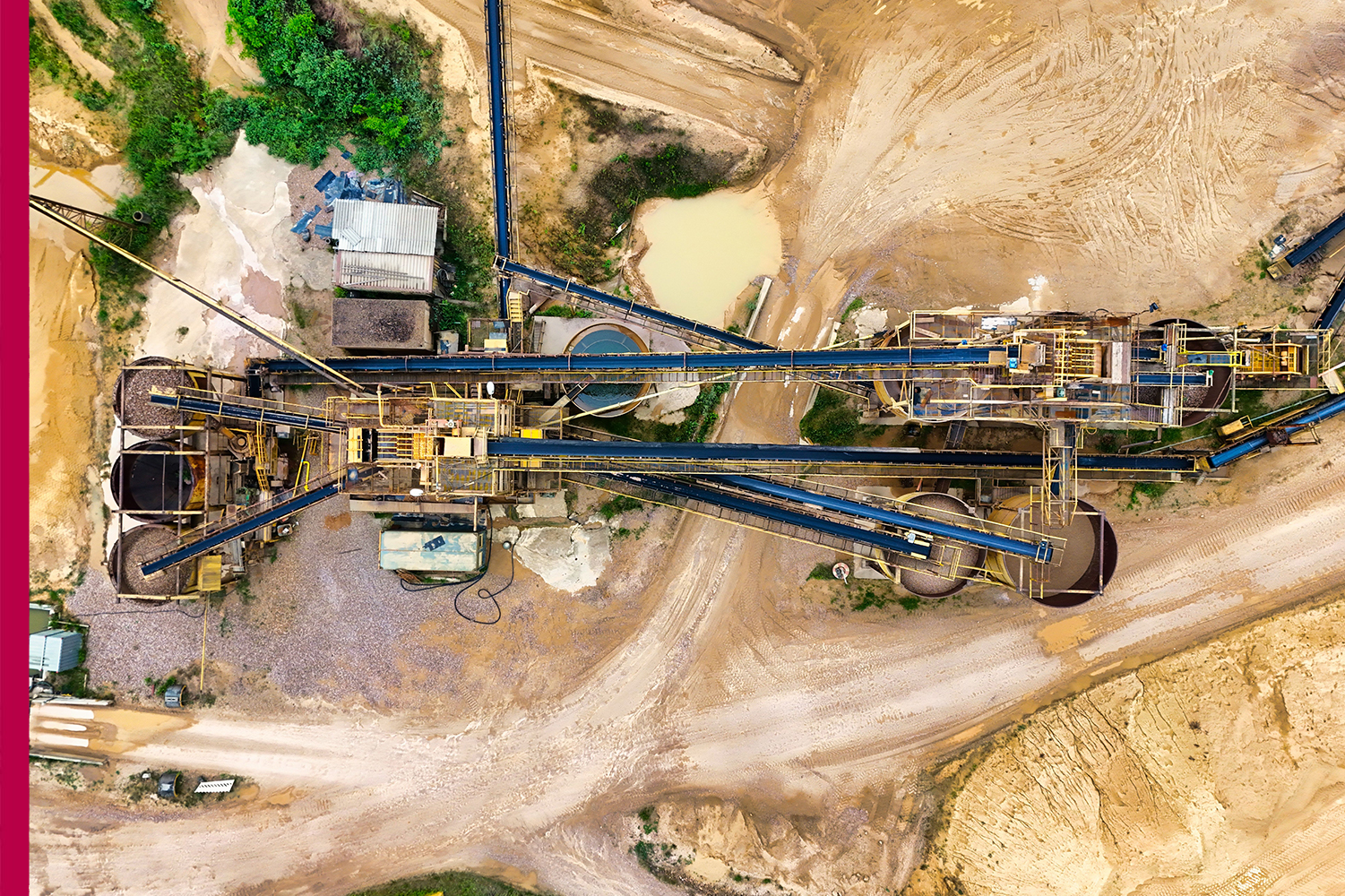
Water management is particularly important in regions where mining operations compete with communities and agriculture for limited resources. Recycling process water, improving treatment systems, and monitoring consumption can help reduce pressure on local supplies. Tailings management and the safe storage of mining waste also remain essential to protecting surrounding environments.
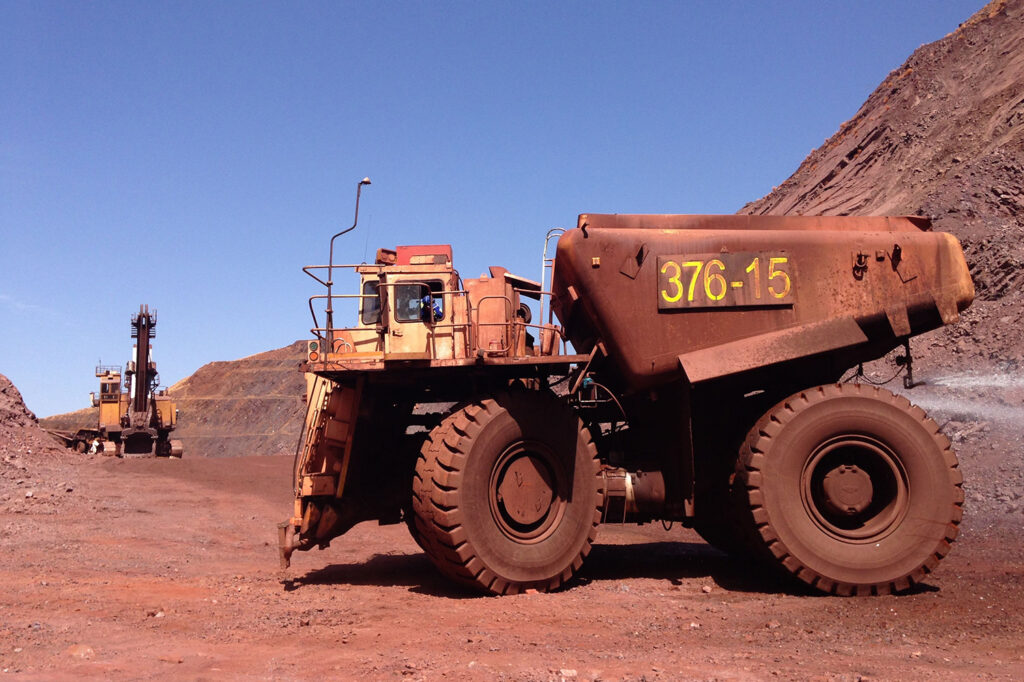
The industry faces additional challenges involving commodity price fluctuations, geopolitical uncertainty, infrastructure limitations, and lengthy project development timelines. Securing a new mineral supply can require substantial investment and years of exploration, permitting, construction, and operational preparation. Companies must balance the need for reliable production with financial discipline and responsible development.
Workforce transformation is another priority. Modern mining increasingly requires professionals skilled in data analysis, automation, robotics, environmental science, and advanced engineering. Investment in training can help employees adapt to new technologies while creating opportunities for younger professionals entering the industry.
The future of mining will depend on the ability to supply essential resources while improving safety, productivity, and environmental performance. Companies that combine technological innovation with responsible resource management will be better positioned to navigate changing market demands.
Mining is no longer defined solely by the extraction of raw materials. It is becoming a technology-driven industry whose decisions influence energy systems, infrastructure, manufacturing, and global economic development. Its long-term success will depend on how effectively it meets the world’s growing material needs while protecting people and the environment.