




The Future of Mobility
How Electric Vehicles and Intelligent Transport Are Changing the Way We Move
Mobility is undergoing a major transformation as cities grow, environmental concerns intensify, and technology changes how people and goods travel. Transportation is no longer viewed simply as the movement from one destination to another. It is increasingly understood as a connected system involving vehicles, infrastructure, digital services, energy networks, and urban planning.
One of the most visible developments is the expansion of electric mobility. Electric cars, buses, two-wheelers, and commercial vehicles are becoming important alternatives to conventional internal combustion engine vehicles. Improvements in battery technology, expanding vehicle choices, and growing charging infrastructure are helping support adoption across different markets.
In countries such as India, electric two-wheelers and three-wheelers are particularly relevant because of their role in daily commuting, delivery services, and urban transportation. Their operating economics can be attractive in suitable applications, although purchase prices, charging access, battery performance, and financing remain important considerations.
Charging infrastructure is essential to the wider transition. Public charging stations, workplace charging, residential installations, and highway charging networks can help reduce concerns about vehicle range and convenience. The development of charging systems must also consider electricity supply, grid capacity, safety standards, and the different requirements of passenger and commercial vehicles.
Artificial intelligence and connected technologies are transforming transportation beyond electrification. Intelligent traffic management systems can analyse road conditions and traffic flows to improve signal timing and reduce congestion. Navigation applications provide real-time information, while connected vehicles can communicate relevant information about road conditions, maintenance requirements, and potential hazards.
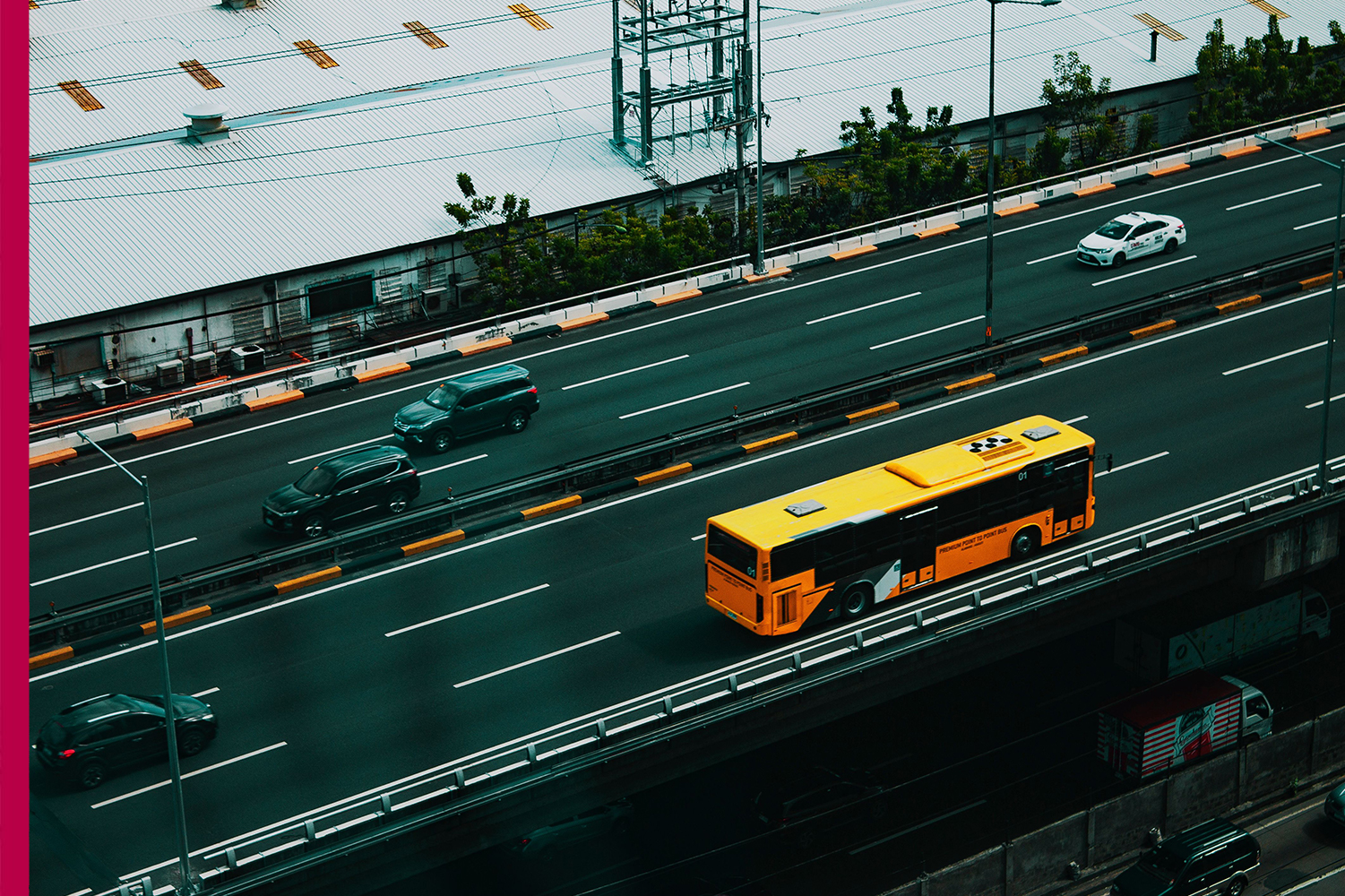
Public transportation remains central to sustainable mobility. Reliable buses, metro systems, suburban rail networks, and integrated ticketing can help people travel efficiently while reducing dependence on private vehicles. Better connections between different transport modes can make journeys more convenient and improve access to employment, education, healthcare, and essential services.
Another emerging concept is Mobility as a Service, often called MaaS. It brings different transportation options together through digital platforms, allowing users to discover, plan, and sometimes pay for journeys across multiple services. By making transport options easier to compare and combine, these platforms can help improve convenience for travellers.
Shared mobility is also changing urban travel. Ride-hailing, car-sharing, bicycle-sharing, and shared electric mobility services provide alternatives to private vehicle ownership. Their effectiveness depends on affordability, availability, safety, and integration with public transport.
Autonomous driving continues to attract attention, particularly for specialised transportation and controlled operating environments. However, widespread deployment remains dependent on safety validation, regulation, infrastructure, and public acceptance. Human oversight and accountability will remain important as these technologies develop.

Accessibility must also be a priority. Mobility systems should serve older adults, people with disabilities, children, and communities that lack convenient transport options. Inclusive station design, accessible vehicles, safer pedestrian infrastructure, and affordable services are essential components of a well-designed transportation network.
The transition to cleaner mobility also requires consideration of battery manufacturing, mineral sourcing, vehicle production, and end-of-life recycling. Electric vehicles can reduce tailpipe emissions, but their overall environmental benefits depend partly on electricity generation, manufacturing processes, and how batteries are managed throughout their life cycle.
The future of mobility will be shaped by the integration of cleaner vehicles, intelligent infrastructure, efficient public transport, and inclusive planning. No single technology will solve every transportation challenge. Progress will require cooperation among governments, manufacturers, technology companies, transport operators, and communities.
Ultimately, successful mobility is not measured only by how quickly people travel. It is measured by how safely, affordably, sustainably, and conveniently they can reach the places that matter in their lives.