



Metals are essential to modern civilisation. They form the structural framework of buildings, the components of vehicles, the machinery used in factories, and the electrical systems that connect homes and industries. As countries expand renewable energy, electric mobility, digital infrastructure, and advanced manufacturing, demand for many metals remains strategically important. At the same time, environmental pressures and supply-chain uncertainty are encouraging the industry to rethink how metals are extracted, processed, used, and recovered.
One of the most significant developments is the growing importance of metals associated with the energy transition. Copper is widely used in electrical systems, while aluminium supports applications requiring relatively lightweight materials. Lithium, nickel, and other materials are used in particular battery technologies, although requirements vary by battery chemistry. Demand patterns can change as technologies evolve, making long-term investment decisions complex for producers and manufacturers.
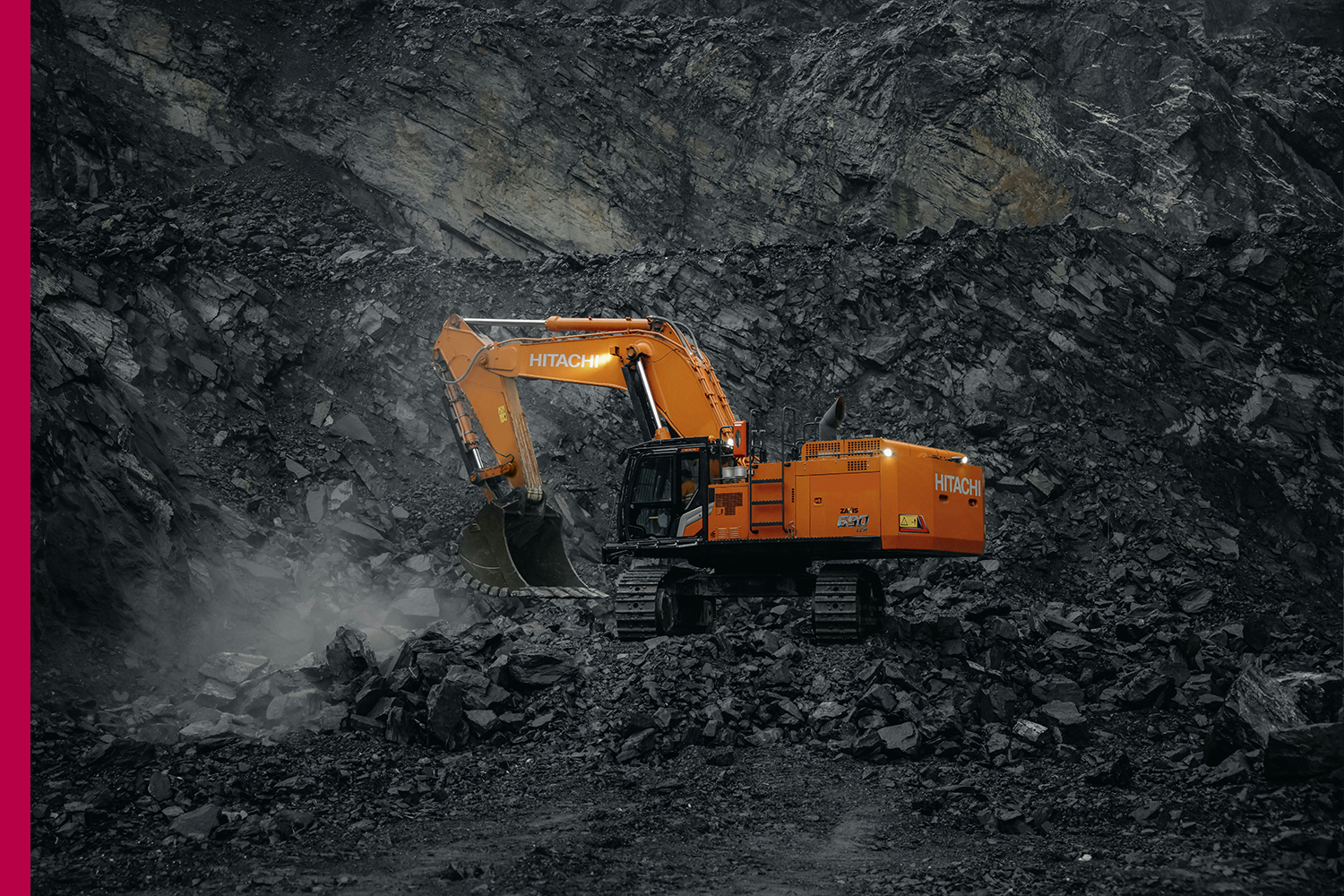
Mining and processing these materials can create economic opportunities, including employment, infrastructure development, and industrial growth. However, extraction can also affect land, water, biodiversity, and nearby communities. Responsible mining therefore requires environmental assessment, effective waste management, worker protection, transparent governance, and appropriate rehabilitation planning. The benefits of mineral development must be evaluated alongside its social and environmental costs.
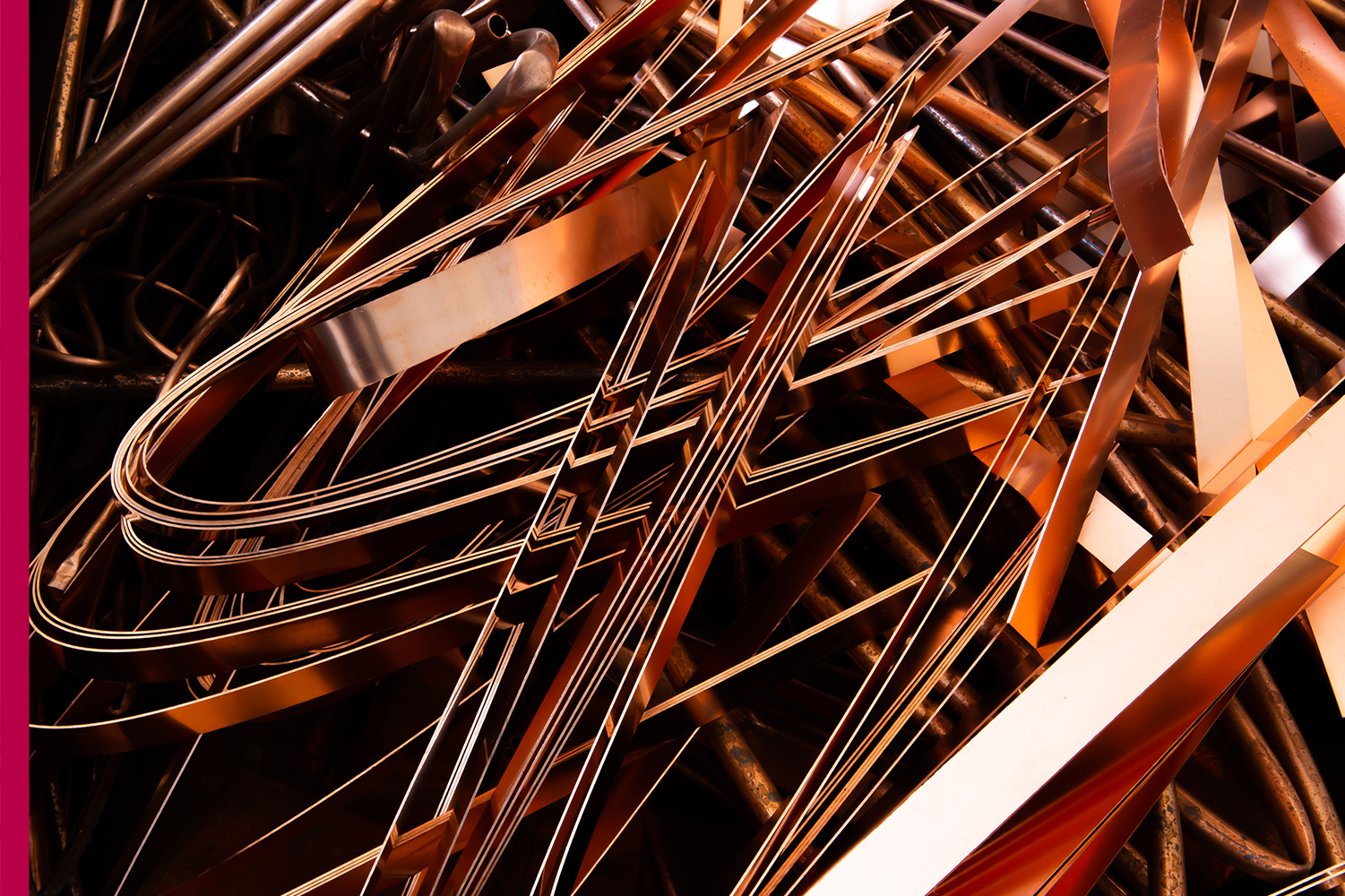
Recycling is becoming increasingly important in discussions about resource security. Many metals can be recovered from products at the end of their useful lives and returned to industrial production. Recycling aluminium, steel, copper, and other suitable materials can reduce the need for some primary extraction and may lower energy requirements compared with producing certain metals from raw ore. Actual benefits depend on collection systems, material quality, processing methods, and the energy used.
The circular economy offers a broader approach. Instead of treating products as disposable, manufacturers can design components for durability, repair, reuse, and eventual material recovery. Better product labelling, collection systems, and recycling infrastructure can improve the recovery of valuable materials from vehicles, construction waste, electronics, and industrial equipment.
Advanced materials are also expanding the industry’s possibilities. Researchers and manufacturers are developing metal alloys and specialised materials designed for particular combinations of strength, weight, corrosion resistance, heat tolerance, and durability. These materials can support applications in aerospace, healthcare, transportation, energy, and industrial machinery. Their success depends on performance testing, manufacturing reliability, cost, and suitability for real operating conditions.
Digital technology is changing metal production as well. Sensors, automation, and data analytics can help monitor equipment, improve process consistency, and identify operational inefficiencies. Predictive maintenance may reduce certain equipment failures, while improved process control can support quality management. However, these technologies require investment, technical skills, and appropriate cybersecurity protections.

India’s metals sector is important to construction, infrastructure, transport, manufacturing, and industrial development. Opportunities exist in improving production efficiency, expanding recycling, developing downstream manufacturing, and strengthening domestic material recovery systems. Long-term competitiveness will depend on reliable energy, modern facilities, skilled workers, and responsible environmental practices.
The industry also faces volatile commodity prices, geopolitical risks, energy costs, and changing international trade conditions. Companies must therefore balance investment in new capacity with supply-chain resilience and responsible sourcing.
The future of metals will be shaped by the ability to meet industrial demand while using resources more efficiently. Primary production will remain necessary for many applications, but recycling, advanced materials, and better product design can contribute to a more resilient system.
Ultimately, metals are more than industrial commodities. They are essential building blocks of economic development. Managing them responsibly will help determine how effectively societies can build infrastructure, expand clean technologies, and support future generations.