





Automation in agriculture is revolutionizing the way farming is practiced, making it more efficient, productive, and sustainable. As global demand for food continues to rise and labor shortages become more common, farmers are increasingly turning to advanced technologies to optimize their operations. From automated machinery to data-driven decision-making, agricultural automation is reshaping the future of farming.
One of the most visible aspects of agricultural automation is the use of machinery and robotics. Modern farms are adopting automated tractors, harvesters, and planting equipment that can perform tasks with high precision and minimal human intervention. These machines are often equipped with GPS and sensors, enabling them to operate accurately and efficiently. This reduces labor dependency and ensures consistent performance across large areas of farmland.
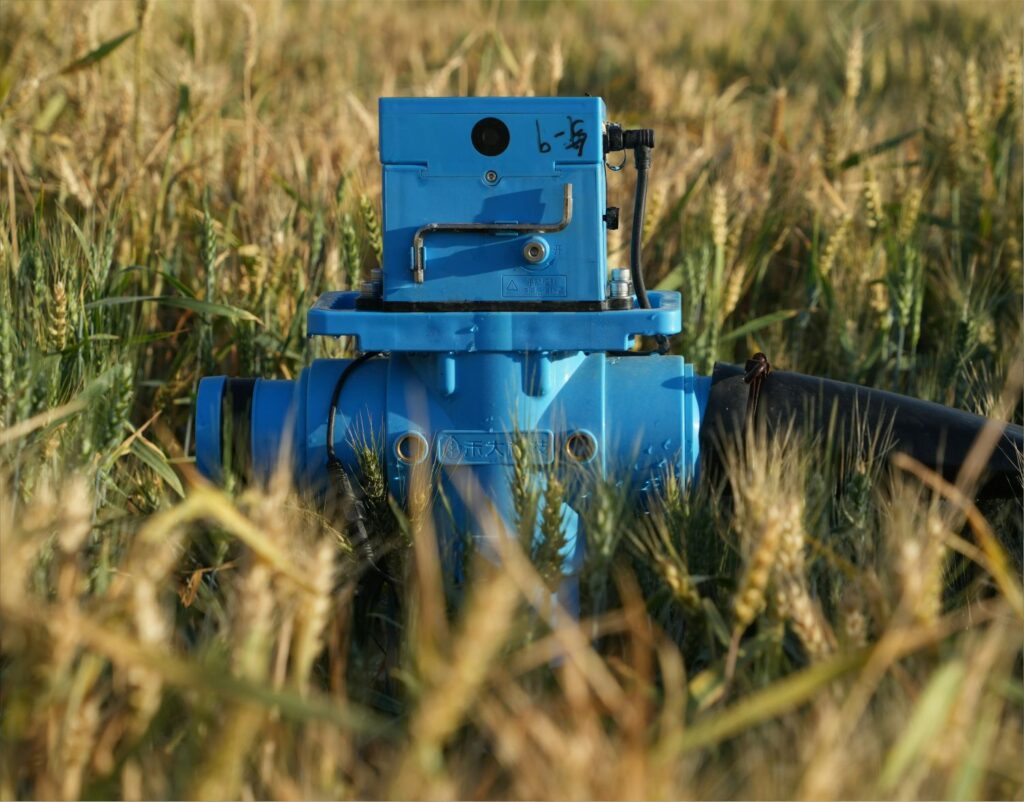
Another significant development is the integration of smart farming technologies. Through the use of Internet of Things (IoT), farmers can monitor soil conditions, weather patterns, and crop health in real time. Sensors placed in fields collect data that helps farmers make informed decisions about irrigation, fertilization, and pest control. This data-driven approach improves crop yield while minimizing resource wastage.
Automation is also enhancing irrigation systems. Smart irrigation technologies use sensors and weather data to deliver the right amount of water at the right time. This not only conserves water but also ensures optimal crop growth. In regions facing water scarcity, such systems are particularly valuable for maintaining agricultural productivity.
Drones are becoming an important tool in modern agriculture. They are used for tasks such as crop monitoring, spraying fertilizers, and assessing field conditions. Drones provide aerial views of farmland, allowing farmers to identify issues such as pest infestations or nutrient deficiencies quickly. This enables timely intervention and reduces potential losses.
Artificial intelligence is further advancing agricultural automation by enabling predictive analytics. AI systems can analyze historical and real-time data to forecast crop performance, weather impacts, and market trends. This helps farmers plan their activities more effectively and reduce risks associated with unpredictable factors.
In countries like India, automation in agriculture is gradually gaining momentum. Government initiatives and private sector innovations are encouraging the adoption of modern farming techniques. Small and marginal farmers are also beginning to benefit from affordable technologies and shared resources, making automation more accessible.
Despite its advantages, agricultural automation faces challenges. High initial investment costs can be a barrier for many farmers, especially in developing regions. Additionally, lack of technical knowledge and training can hinder the effective use of automated systems. Addressing these challenges requires support in the form of subsidies, training programs, and awareness campaigns.
Automation also raises concerns about employment in the agricultural sector. While it reduces the need for manual labor, it also creates opportunities for skilled jobs in technology management, maintenance, and data analysis. This shift highlights the importance of skill development and education in adapting to new technologies.
In conclusion, automation in agriculture is transforming farming into a more efficient and sustainable practice. By leveraging advanced technologies, farmers can increase productivity, reduce costs, and manage resources more effectively. As adoption continues to grow, agricultural automation will play a crucial role in ensuring food security and supporting the evolving needs of the global population.