









The music industry has undergone a remarkable transformation over the decades, evolving from physical recordings to a fully digital and globally connected ecosystem. This evolution has not only changed how music is produced and distributed but also how audiences discover, consume, and engage with it. Driven by technological innovation and shifting consumer behavior, the music industry continues to redefine itself in the modern era.
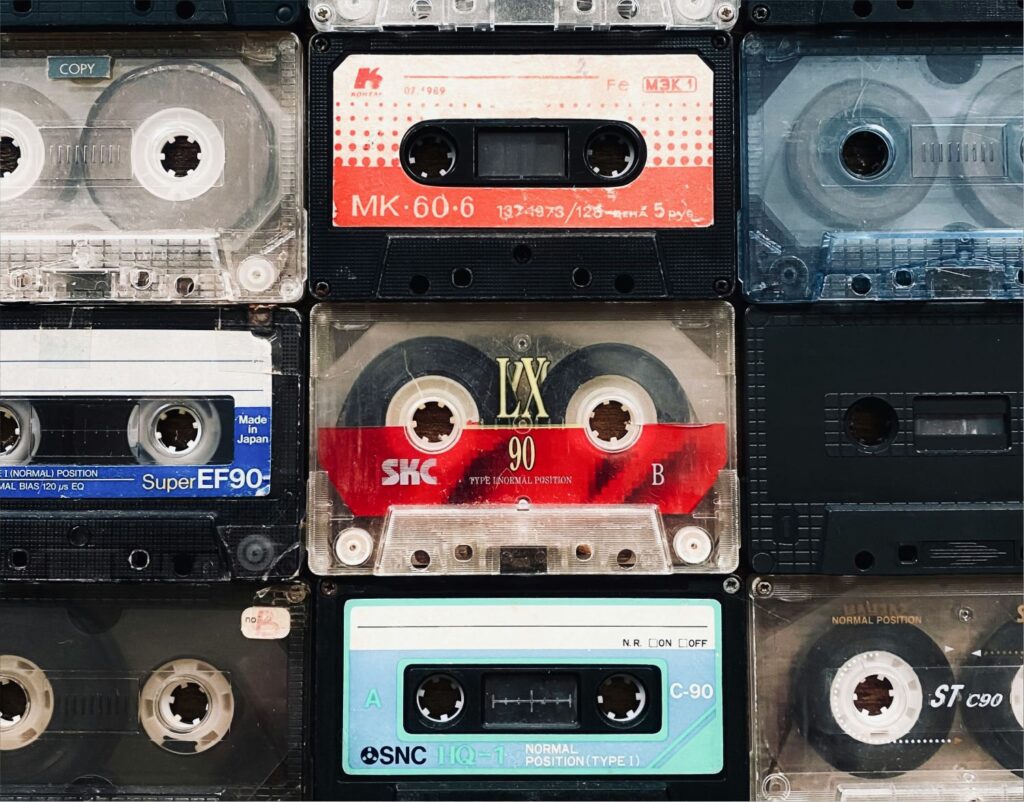
In its early days, music was distributed through physical formats such as vinyl records, cassette tapes, and CDs. These formats dominated the industry for decades, with record labels controlling production, marketing, and distribution. Artists relied heavily on these labels to reach audiences, and revenue was largely generated through album sales and live performances. While this model was effective at the time, it limited access and created barriers for independent artists.
The rise of the internet marked a turning point in the music industry. Digital formats such as MP3s allowed music to be shared and downloaded easily, leading to a decline in physical sales. This shift disrupted traditional business models and forced the industry to adapt. Online platforms and digital stores emerged, offering new ways for consumers to access music. However, issues such as piracy and copyright infringement posed significant challenges during this transition.
Streaming services have become the dominant force in today’s music industry. Platforms like Spotify, Apple Music, and YouTube allow users to access millions of songs instantly. This shift from ownership to access has transformed revenue models, with artists earning through streams rather than physical sales. Subscription-based services and ad-supported models have made music more accessible to a global audience.
The digital era has also empowered independent artists. With the help of social media and streaming platforms, musicians can now produce, promote, and distribute their work without relying on traditional record labels. This democratization of music has led to greater diversity in content and has allowed new talent to emerge from different parts of the world.
Technology continues to influence music production and consumption. Advanced software and digital tools enable artists to create high-quality music from home studios. Artificial intelligence is being used for music composition, recommendation algorithms, and audience analysis. These innovations are shaping how music is created and delivered to listeners.
Live performances and concerts remain an essential part of the music industry. While digital platforms have expanded reach, live events provide unique experiences and direct interaction between artists and fans. Hybrid events, combining physical and virtual elements, are becoming more common, especially in a post-pandemic world.
Despite its growth, the music industry faces challenges such as fair compensation for artists, copyright issues, and market saturation. However, ongoing innovation and adaptation continue to drive progress.
In conclusion, the evolution of the music industry reflects the dynamic relationship between technology and creativity. From physical records to digital streaming, the industry has continuously adapted to changing times. As new technologies emerge, the music industry will continue to evolve, offering innovative ways for artists to connect with audiences and share their creativity worldwide.