



Food security remains one of the most pressing global challenges, driven by population growth, climate change, shrinking arable land, and resource constraints. Biotechnology is playing an increasingly vital role in addressing these challenges by improving agricultural productivity, enhancing nutritional value, and building resilience within food systems. By applying advances in genetics, molecular biology, and bioengineering, biotechnology offers innovative solutions to ensure a stable and sustainable food supply for the future.
One of the most significant contributions of biotechnology to food security is the development of genetically improved crops. Through techniques such as genetic modification and gene editing, scientists can create crop varieties that are more resistant to pests, diseases, and environmental stresses like drought, salinity, and extreme temperatures. These resilient crops help farmers maintain yields even under challenging conditions, reducing the risk of crop failure and ensuring consistent food production.
Biotechnology also contributes to improving the nutritional quality of food. Biofortification is a process where crops are enhanced with essential vitamins and minerals, helping address widespread nutritional deficiencies. For example, crops enriched with iron, zinc, or vitamin A can significantly improve public health, particularly in regions where access to diverse diets is limited. This approach not only increases food availability but also ensures that the food produced is more nutritious.
Another important role of biotechnology lies in sustainable farming practices. Traditional agriculture often relies heavily on chemical fertilizers and pesticides, which can harm the environment and reduce soil health over time. Biotechnological innovations, such as biofertilizers and biopesticides, provide eco-friendly alternatives that enhance soil fertility and protect crops without damaging ecosystems. These solutions support long-term agricultural sustainability while maintaining high productivity.
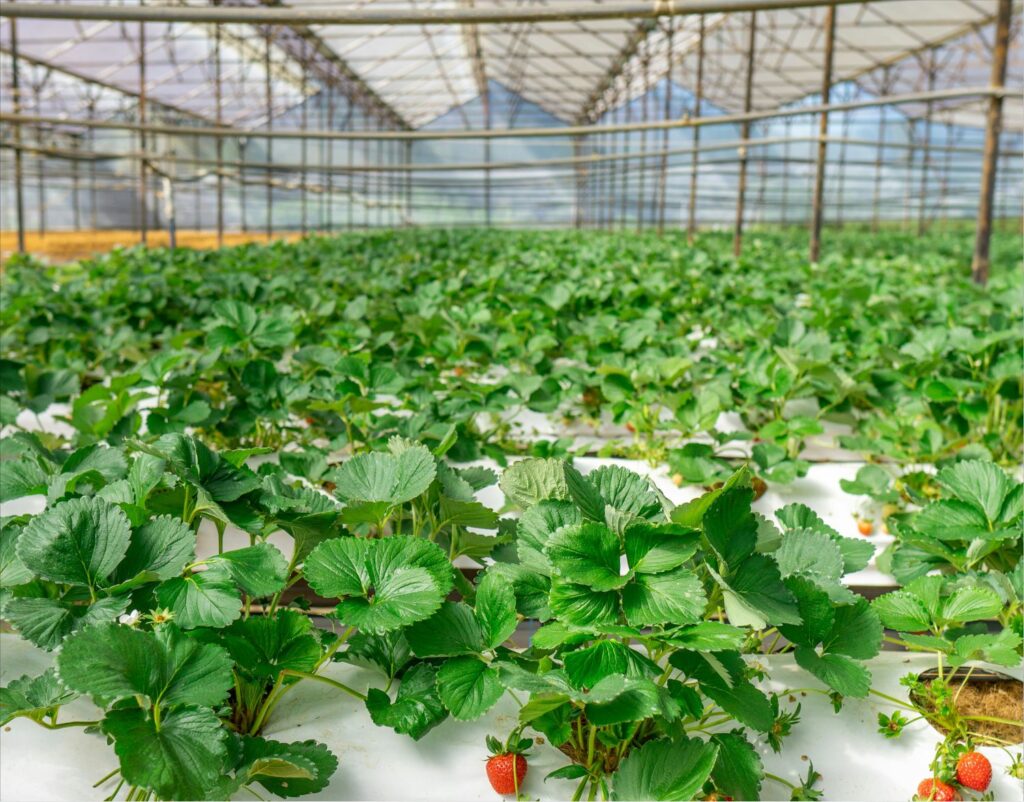
Biotechnology is also advancing food production beyond conventional farming. Techniques such as lab-grown meat, fermentation-based proteins, and plant-based alternatives are emerging as sustainable food sources. These innovations reduce the reliance on livestock farming, which is resource-intensive and contributes significantly to greenhouse gas emissions. By diversifying food sources, biotechnology helps create a more resilient and efficient food system.
In addition, biotechnology plays a crucial role in reducing post-harvest losses. A significant portion of food produced globally is lost due to spoilage, poor storage, and inefficient supply chains. Biotech solutions, including improved storage methods, disease-resistant crops, and advanced preservation techniques, help extend the shelf life of food products and reduce waste. This ensures that more of the food produced actually reaches consumers.
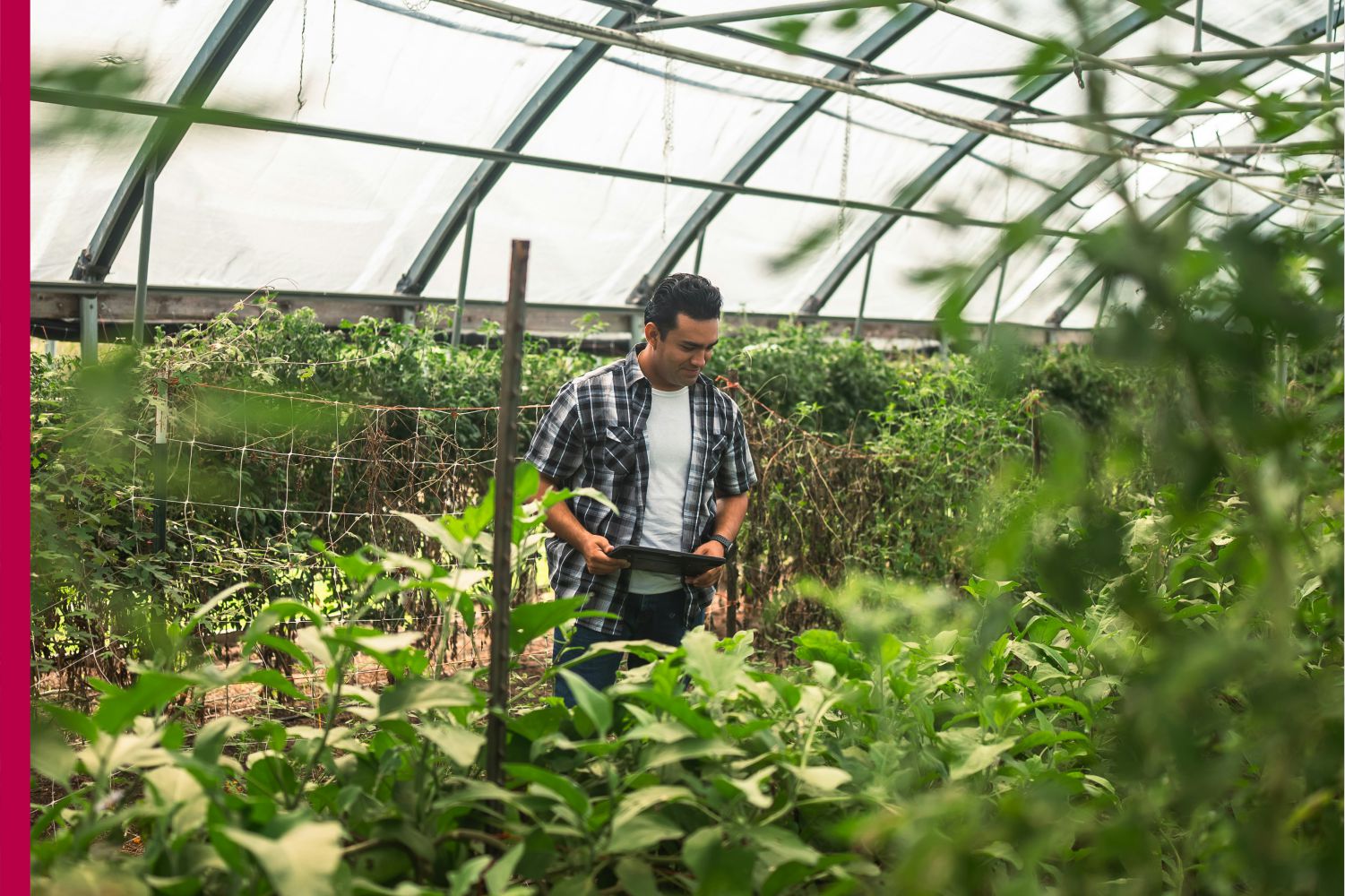
The use of data-driven technologies in biotechnology further enhances food security. By integrating genomics, data analytics, and precision agriculture, farmers can make informed decisions about crop selection, irrigation, and resource management. This leads to optimized production and better use of limited resources such as water and soil.
In conclusion, biotechnology is a powerful tool in the fight against food insecurity. By improving crop resilience, enhancing nutrition, promoting sustainable practices, and reducing waste, biotech innovations are transforming global agriculture. As the world continues to face complex food challenges, the responsible and inclusive use of biotechnology will be essential in ensuring that everyone has access to sufficient, safe, and nutritious food.