



Access to reliable internet connectivity has become a fundamental requirement for economic development, education, healthcare, and social inclusion. However, rural areas across the world continue to face significant challenges in accessing stable and high-speed internet services. Despite advancements in digital technology, the gap between urban and rural connectivity often referred to as the digital divide remains a pressing issue that limits opportunities for millions of people.
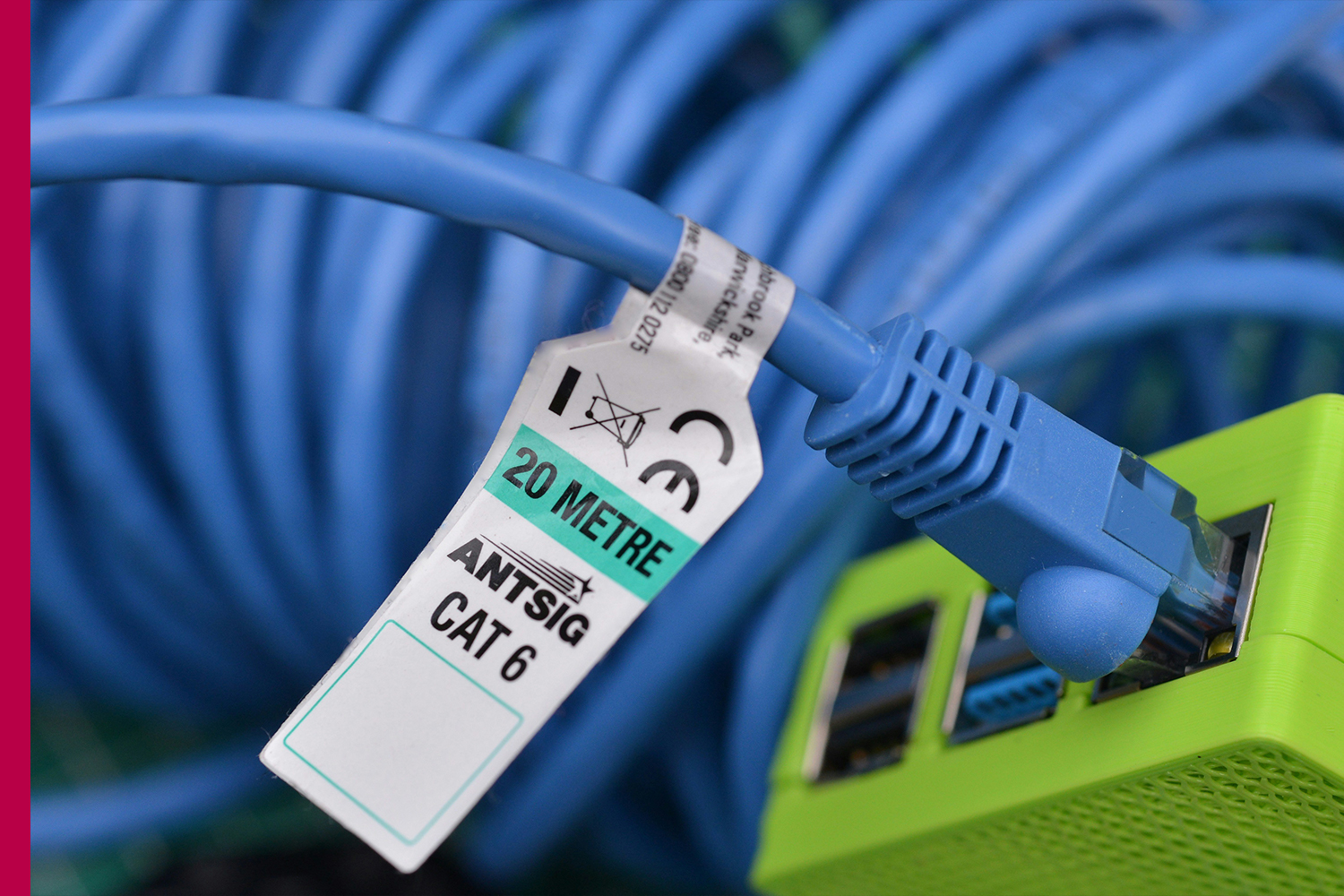
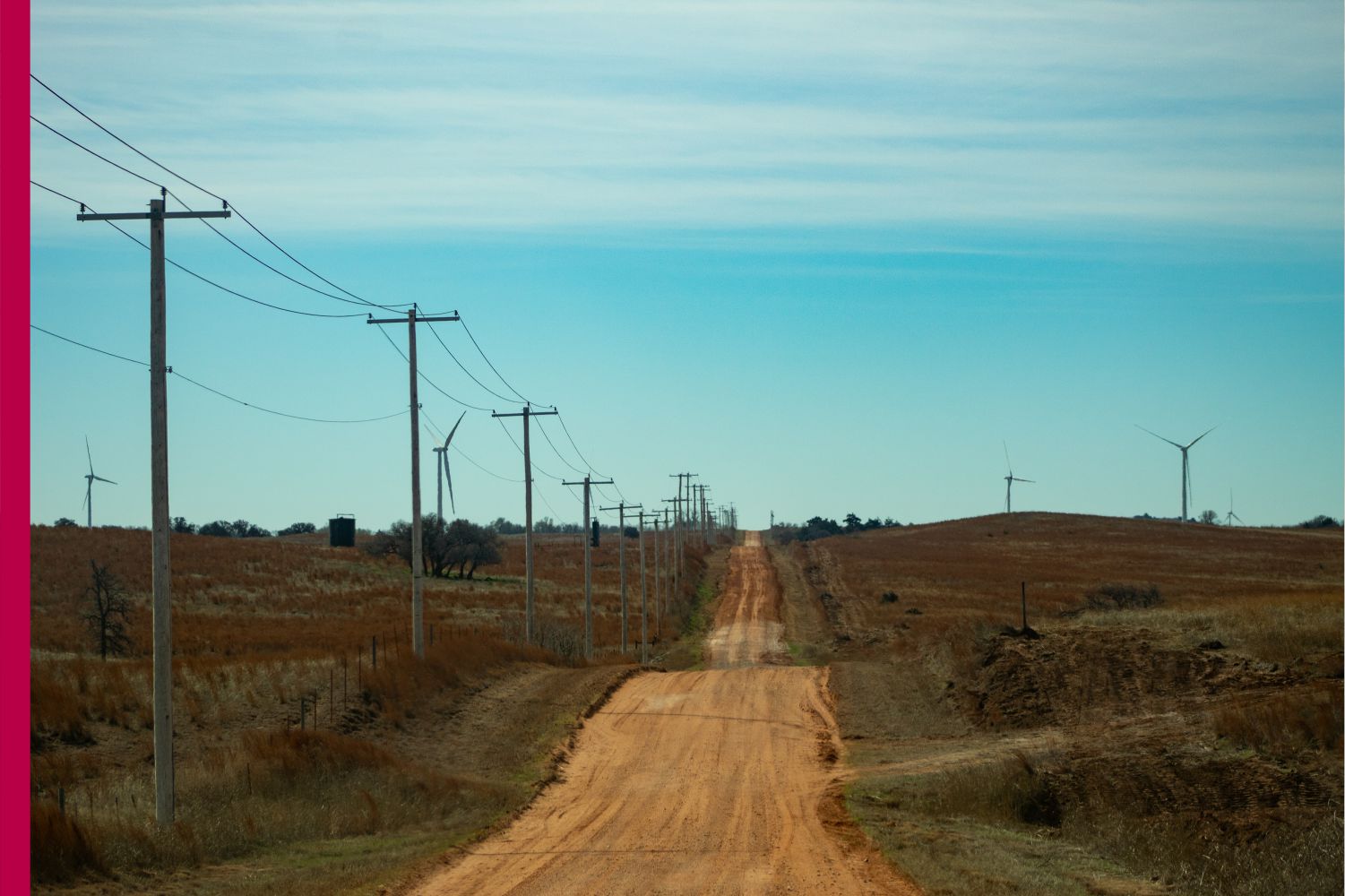
One of the primary challenges in rural internet connectivity is inadequate infrastructure. Unlike urban areas, where dense populations justify heavy investment in broadband networks, rural regions often have sparse populations spread over large geographical areas. This makes it less economically viable for telecom providers to build and maintain infrastructure such as fiber-optic cables, towers, and data centers. As a result, many rural communities rely on slower or less reliable connectivity options, if they have access at all.
Geographical barriers further complicate connectivity efforts. Rural areas often include difficult terrains such as mountains, forests, and remote islands, which make the deployment of network infrastructure both technically challenging and costly. Extreme weather conditions can also damage existing infrastructure, leading to frequent service disruptions and limited reliability.
Another significant issue is the high cost of internet access relative to income levels in rural communities. Even when connectivity is available, the expense of devices, data plans, and maintenance can be prohibitive for many households. This affordability gap prevents widespread adoption and limits the benefits that digital access can provide, such as online education, e-commerce, and telemedicine.
Limited digital literacy is also a barrier to effective internet usage in rural areas. Many individuals may not have the skills or awareness needed to use digital tools and online services. This lack of familiarity reduces demand for internet services and can discourage service providers from investing further in these regions. Addressing digital literacy is essential to ensure that connectivity translates into meaningful usage and improved quality of life.

Power supply issues are another challenge affecting rural connectivity. Reliable electricity is a prerequisite for operating communication infrastructure and digital devices. In many rural areas, inconsistent or limited power supply disrupts internet services and hinders continuous access. Without stable energy solutions, maintaining reliable connectivity becomes difficult.
Policy and regulatory challenges can also slow down the expansion of rural internet services. Delays in approvals, lack of incentives for service providers, and insufficient public-private partnerships can hinder progress. Governments play a crucial role in creating supportive frameworks, offering subsidies, and encouraging investment to expand connectivity in underserved regions.
Despite these challenges, several emerging solutions offer hope for improving rural internet access. Technologies such as satellite internet, wireless broadband, and community networks are helping extend connectivity to remote locations. Innovative approaches, combined with government initiatives and private sector participation, are gradually narrowing the digital divide.
In conclusion, rural internet connectivity challenges are complex and multifaceted, involving infrastructure, affordability, education, and policy issues. Overcoming these barriers requires coordinated efforts from governments, businesses, and communities. Ensuring reliable internet access in rural areas is not just a technological goal but a critical step toward inclusive development and equal opportunities for all.