


Automation is entering a new phase. For decades, industrial automation focused on machines performing repetitive tasks faster, more consistently, and with fewer errors. Today, the combination of robotics, artificial intelligence, connected sensors, and digital simulations is pushing the industry toward systems that can interpret information, respond to changing conditions, and support more complex operations.
Recent developments show how quickly this transformation is progressing. In October 2026, Siemens outlined an ambition to increase factory automation levels at its Erlangen electronics plant from approximately 30–40% to 70–80%, using artificial intelligence to improve productivity. The company is also working with NVIDIA on physical AI, including digital twins and AI models that can simulate and optimise factory operations before changes are introduced on the production floor. These efforts reflect a broader industrial priority: making manufacturing more efficient while maintaining competitiveness.
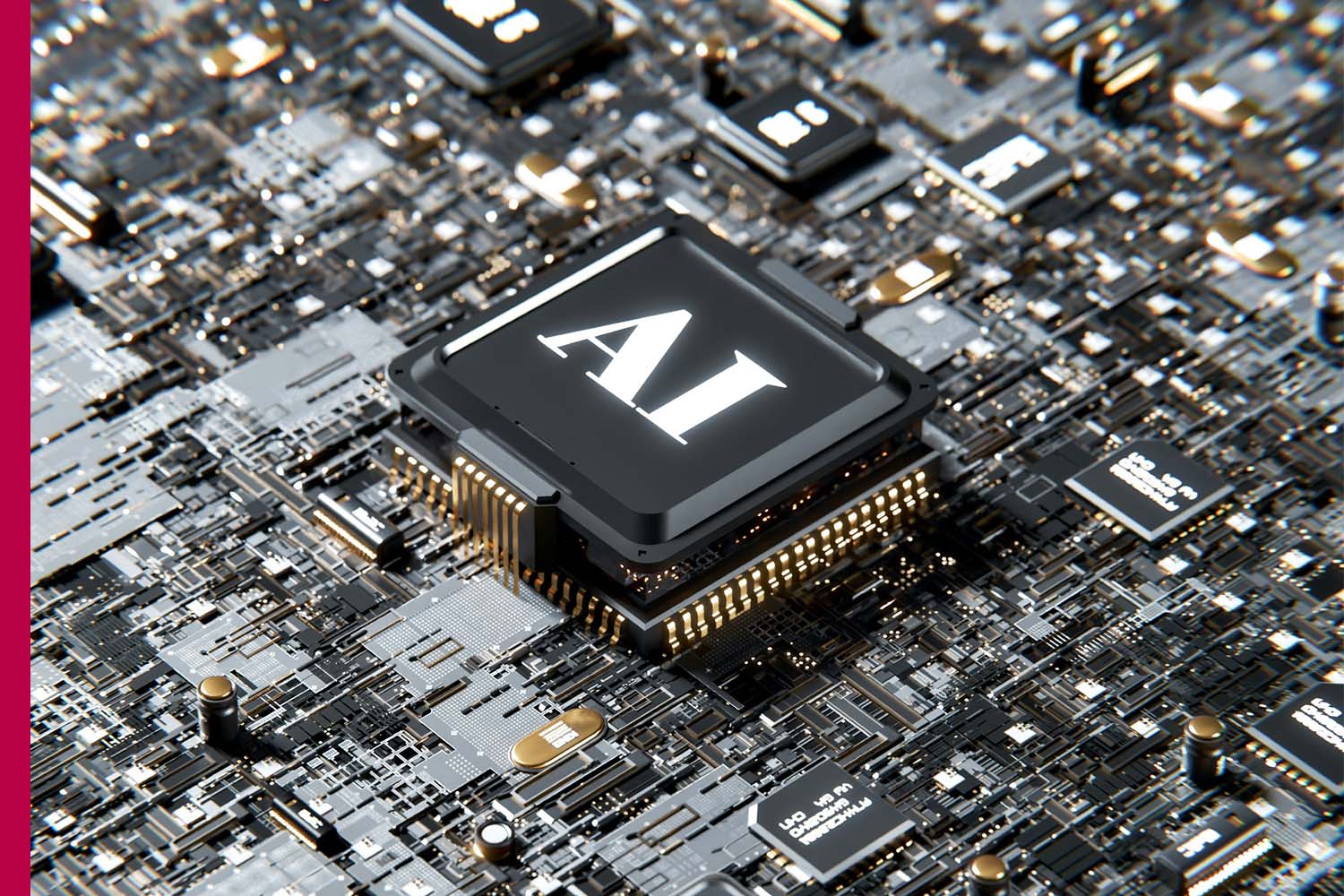
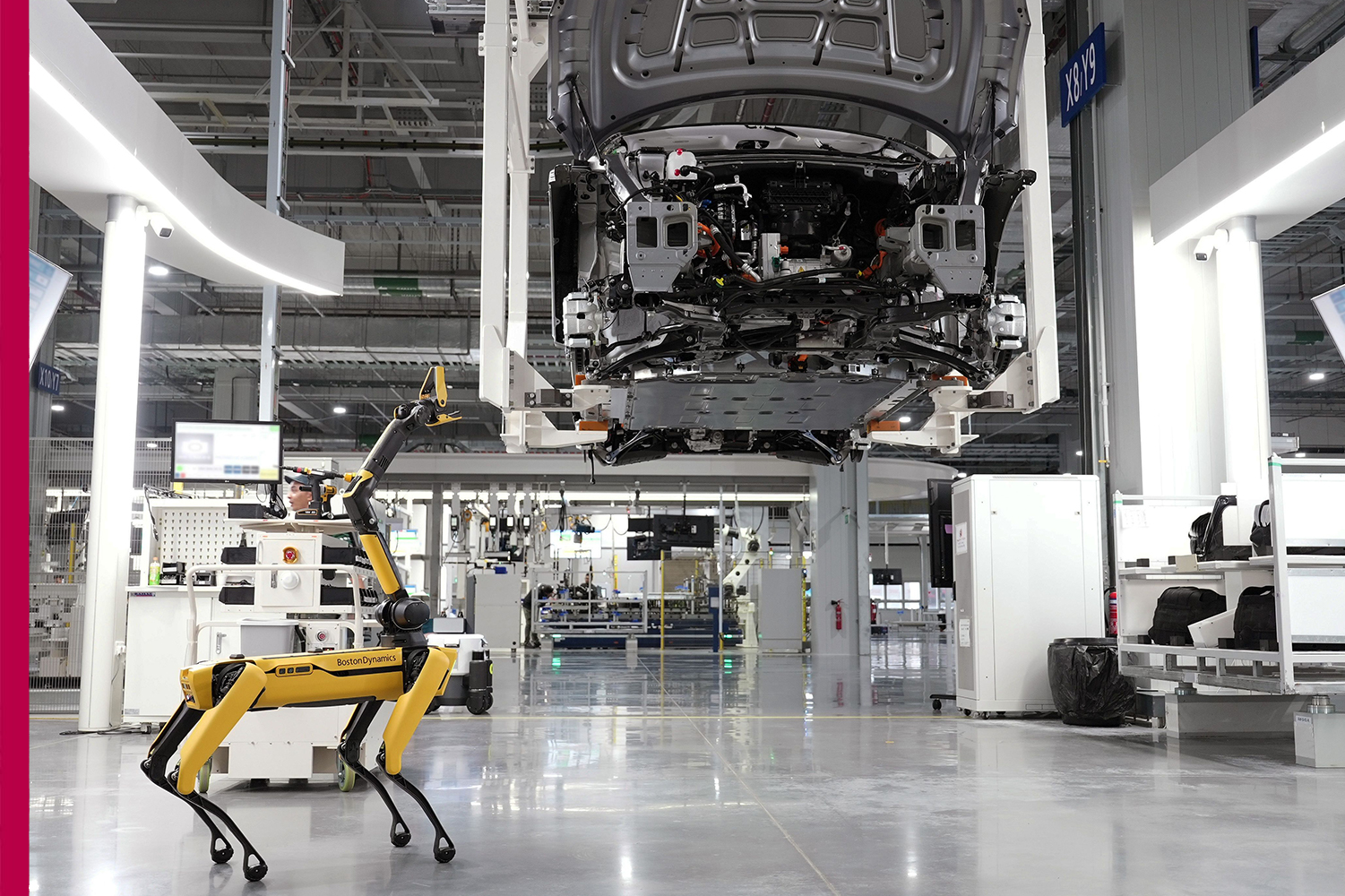
Physical AI is becoming an important theme because it connects digital intelligence with real-world machines. Traditional software processes information, but physical AI aims to help machines interpret their surroundings and act within them. In manufacturing, this could mean robots adapting to variations in components, assisting with material handling, or performing tasks that previously required more direct human intervention.
A partnership announced by Hitachi and FANUC in October 2026 illustrates this direction. The companies are working to develop physical AI systems for manufacturing, combining industrial robotics with AI technologies and testing solutions in Hitachi facilities before wider commercial deployment. The approach places emphasis on real operating conditions rather than relying exclusively on laboratory demonstrations.
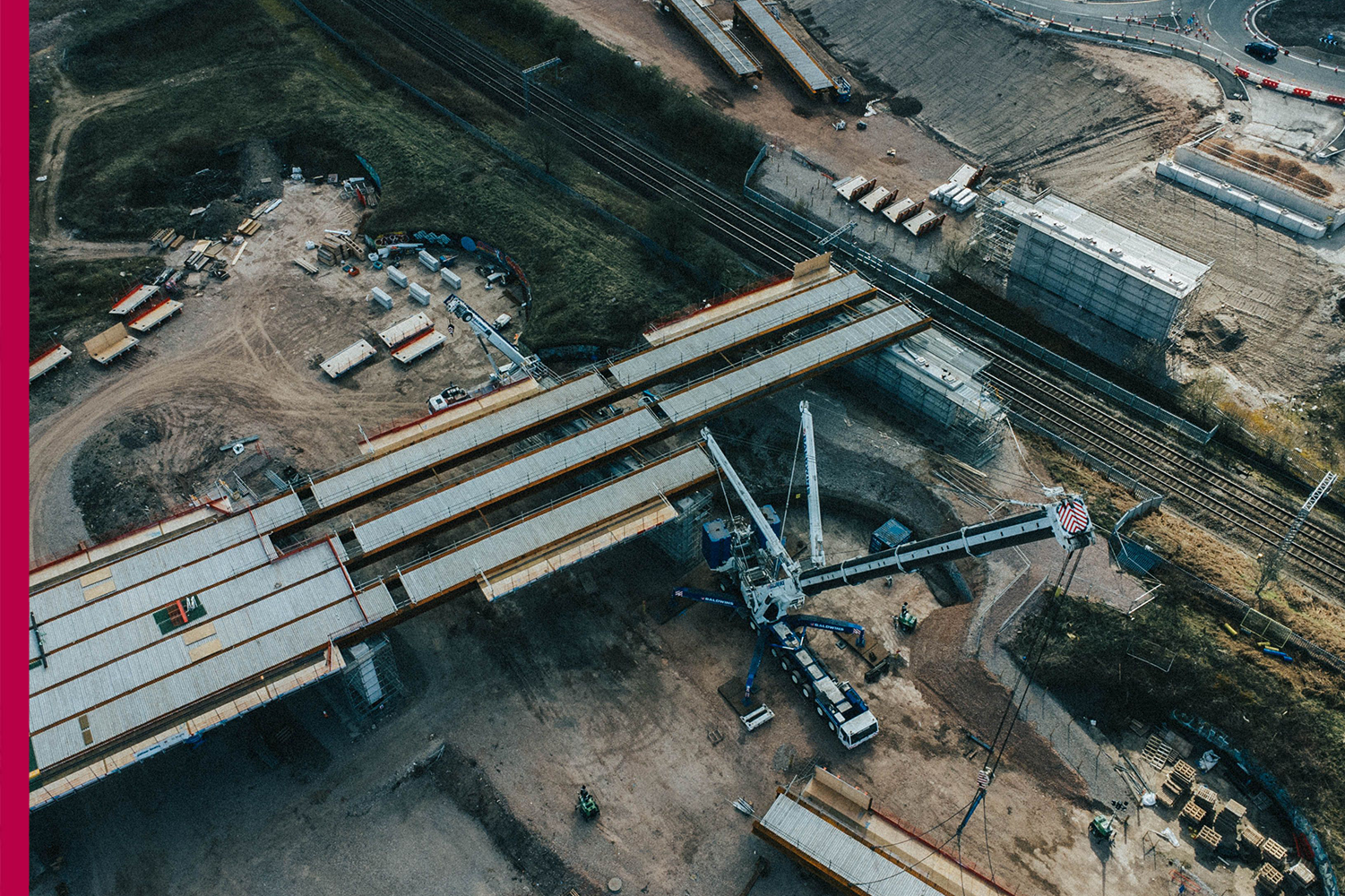
Automation is also expanding beyond traditional assembly lines. Warehouses use automated systems to sort and move goods, agricultural businesses are exploring robotic assistance, and service industries are investigating machines capable of performing specialised tasks. These applications demonstrate that automation is no longer limited to large automotive plants. Its potential reaches across logistics, healthcare, food production, construction, and other sectors.
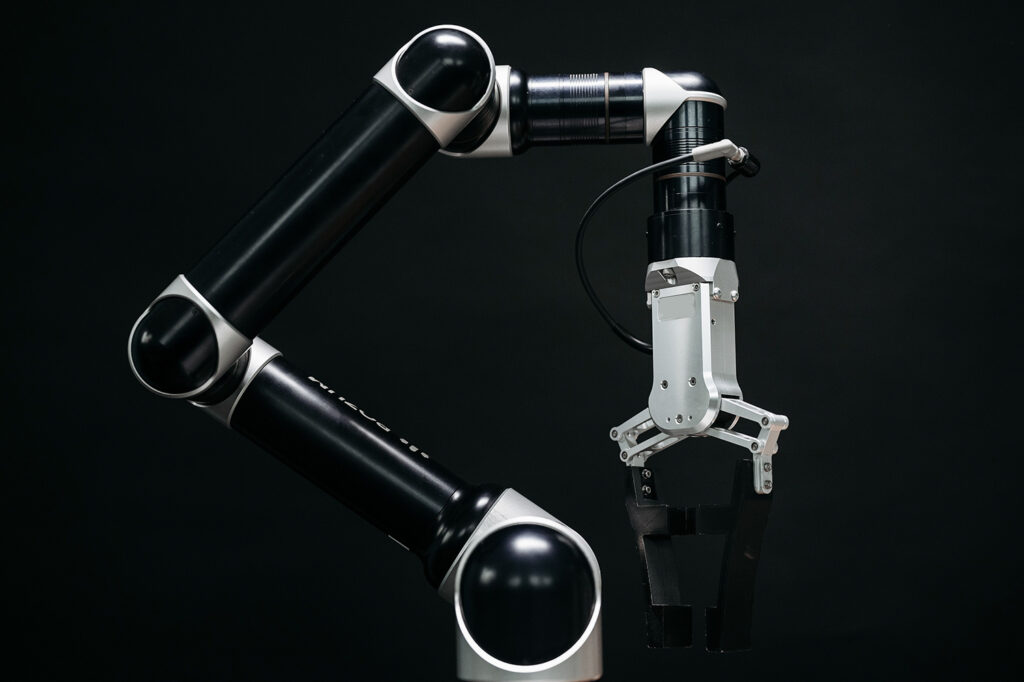
Nevertheless, adoption requires more than purchasing advanced equipment. Companies must assess the reliability of systems, integration costs, maintenance requirements, cybersecurity risks, and the availability of skilled employees. A machine that performs impressively in a controlled demonstration may still struggle with unpredictable conditions in a busy workplace.
Workforce development is therefore central to the future of automation. As machines take on selected repetitive or physically demanding activities, employees may increasingly work in areas such as robotics maintenance, systems integration, quality assurance, process design, and technical supervision. Training will help workers adapt while enabling businesses to capture the full value of their investments.
Automation also raises important questions about employment and opportunity. Its benefits should be measured not only through output and cost savings but also through workplace safety, product quality, employee development, and the long-term strength of local industries.
The future factory will not necessarily be one without people. It will increasingly be a place where human expertise and intelligent machines work together. The organisations that succeed will be those that combine technological ambition with practical implementation, responsible workforce planning, and a clear understanding of the problems automation is meant to solve.