


As world leaders and environmental organisations gather for the 2026 United Nations Climate Change Conference (COP31) in Antalya, Türkiye, a new international initiative is drawing attention to one of the planet’s most overlooked climate assets: peatlands.
On November 14, the Food and Agriculture Organization of the United Nations (FAO), United Nations Environment Programme (UNEP) and other international partners launched the Peatland Breakthrough. The initiative aims to accelerate the protection, restoration and sustainable management of peatlands while mobilising investment for climate and nature action.
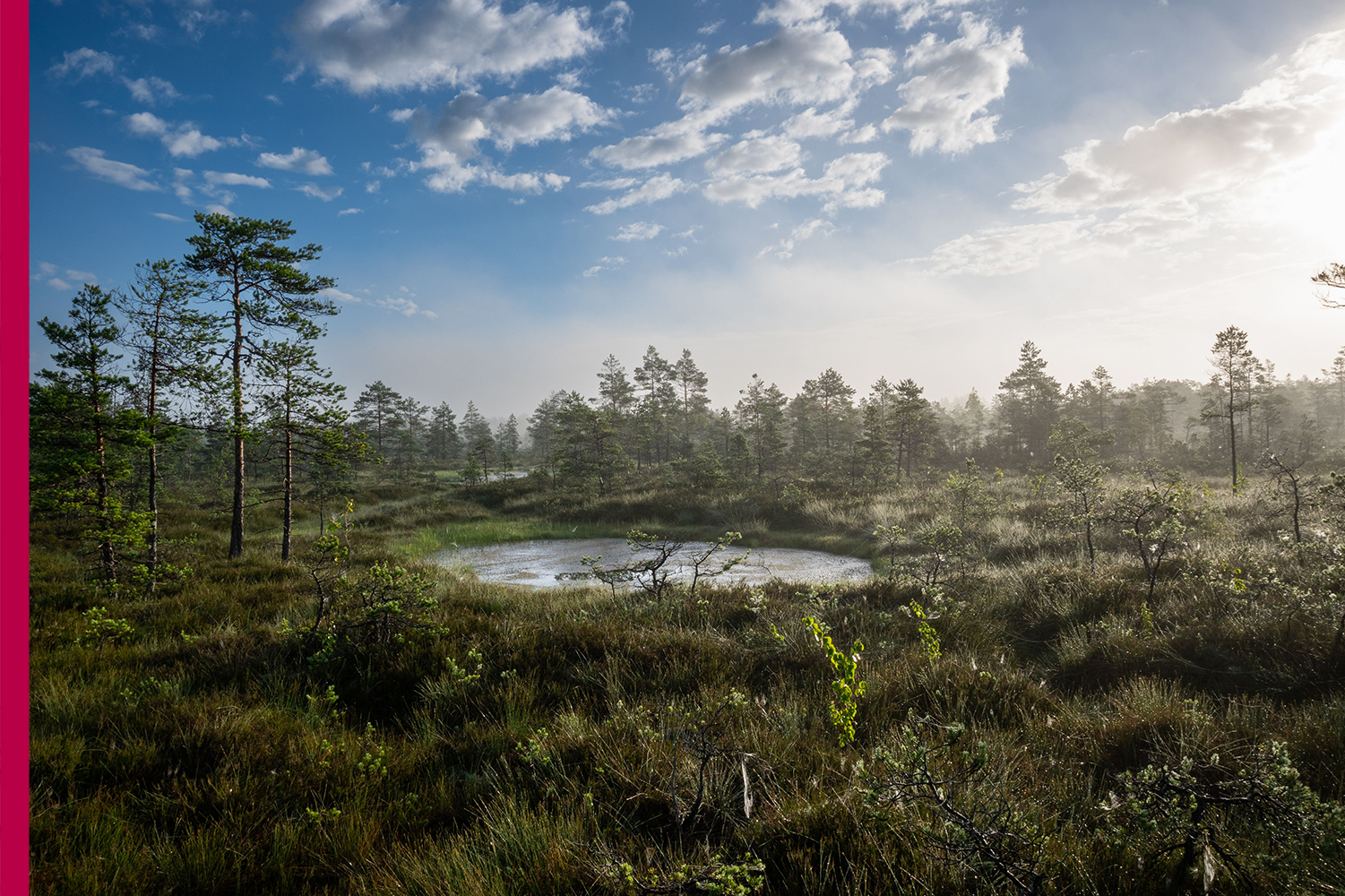
Peatlands cover only around 3% of the Earth’s land surface, but their environmental importance is extraordinary. According to the FAO, peat soils store more carbon than all the world’s forests combined. These water-saturated ecosystems also help regulate water supplies, reduce flood and fire risks, support biodiversity and sustain local communities.
When peatlands are drained, damaged or converted for other uses, the carbon stored in their soils can be released into the atmosphere. Degradation can also increase the risk of flooding, drought and biodiversity loss.
The new initiative has set ambitious targets for 2030. These include halting the loss of undrained peatlands, bringing at least 30 million hectares of degraded peatlands under rewetting and restoration, and mobilising at least US$100 billion for peatland action.
Germany, Peru and Uganda have joined as Champion Countries, with Canada also endorsing the initiative. The programme brings together governments, scientific organisations, financial institutions, businesses and local communities.
The announcement reflects a broader change in global sustainability priorities. Climate action is increasingly being linked to nature restoration, water security, biodiversity and the livelihoods of people who depend on healthy ecosystems.
Another significant development at COP31 involves food waste. The IKEA Foundation announced a €40 million investment in two international initiatives designed to reduce food loss and waste across five continents. The programmes will bring together farmers, businesses, governments and researchers to improve food systems and reduce greenhouse-gas emissions.
These initiatives highlight an important business opportunity. Sustainability is no longer limited to renewable electricity or corporate carbon reporting. It increasingly involves redesigning supply chains, reducing waste, improving resource efficiency and investing in nature-based solutions.
For companies, this means examining environmental impact across the entire value chain, from raw-material sourcing and manufacturing to packaging, distribution and product disposal.
However, ambitious targets must be matched by transparent funding, measurable outcomes and local participation. Restoration projects need scientific monitoring, and climate finance must reach the communities responsible for protecting these landscapes.
The Peatland Breakthrough is therefore an important test of whether global climate commitments can translate into practical action. Its success will depend not simply on the amount of money announced, but on the ecosystems restored, emissions avoided and communities supported.
As climate discussions increasingly move from promises to implementation, protecting nature may become one of the most important investments in the world’s environmental and economic future.