



Global supply chains are facing renewed uncertainty as security threats, rising transportation costs and record cargo volumes put pressure on international trade routes. Recent developments around the Black Sea and major American ports demonstrate how quickly geopolitical events and consumer demand can influence the movement of goods.
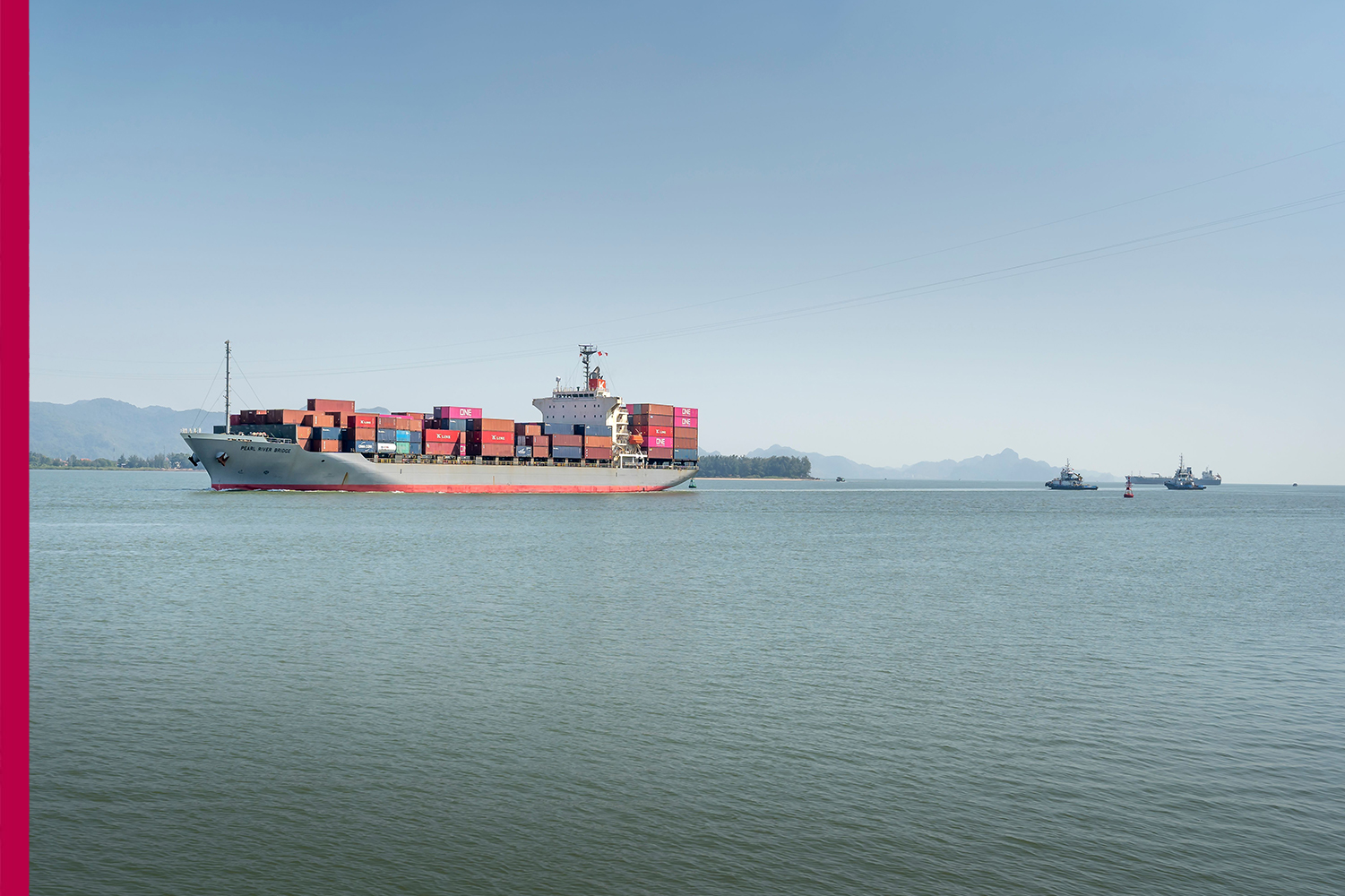
On November 16, 2026, Supply Chain Management Review reported that drone strikes had hit three commercial vessels near Romania’s Sulina Canal, an important route for Ukrainian exports through the western Black Sea. The incidents have increased concerns about the safety of ships, cargo and crews operating in the region.
The Black Sea remains strategically important for agricultural exports, particularly grain and other commodities moving from Ukraine to international markets. Any disruption to shipping can affect delivery schedules, insurance costs and the reliability of supplies reaching import-dependent countries.
The concern comes at a time when transportation expenses are also increasing. The same industry briefing reported that US producer prices rose 6.5% annually in October, the fastest pace since 2022. Transportation and warehousing services increased by 2%, while truck-freight prices climbed 3.9% during the month.
These developments illustrate how logistics costs can influence the wider economy. Higher freight expenses can increase the cost of imported raw materials, manufacturing inputs and finished products. Businesses may eventually pass some of these additional expenses to customers.
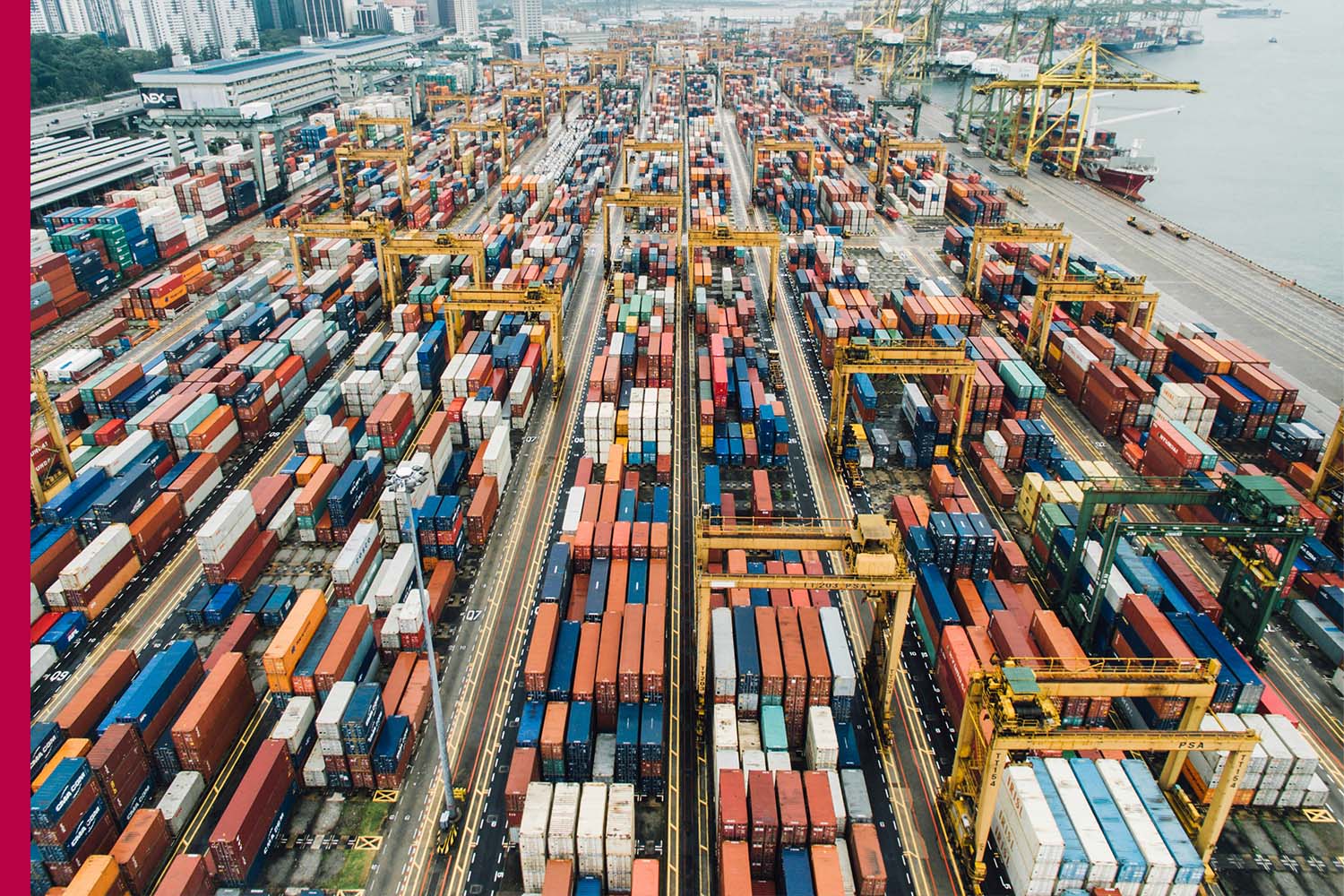
Yet international cargo demand remains strong. The Port of Los Angeles handled approximately 1.03 million twenty-foot equivalent units (TEUs) in October, a 21.3% increase compared with the same month last year. It was the second consecutive month in which the port handled more than one million containers.
This contrast is important. Global trade is not simply slowing or expanding uniformly. Some routes face security risks and higher costs, while major ports continue to process large volumes of cargo.
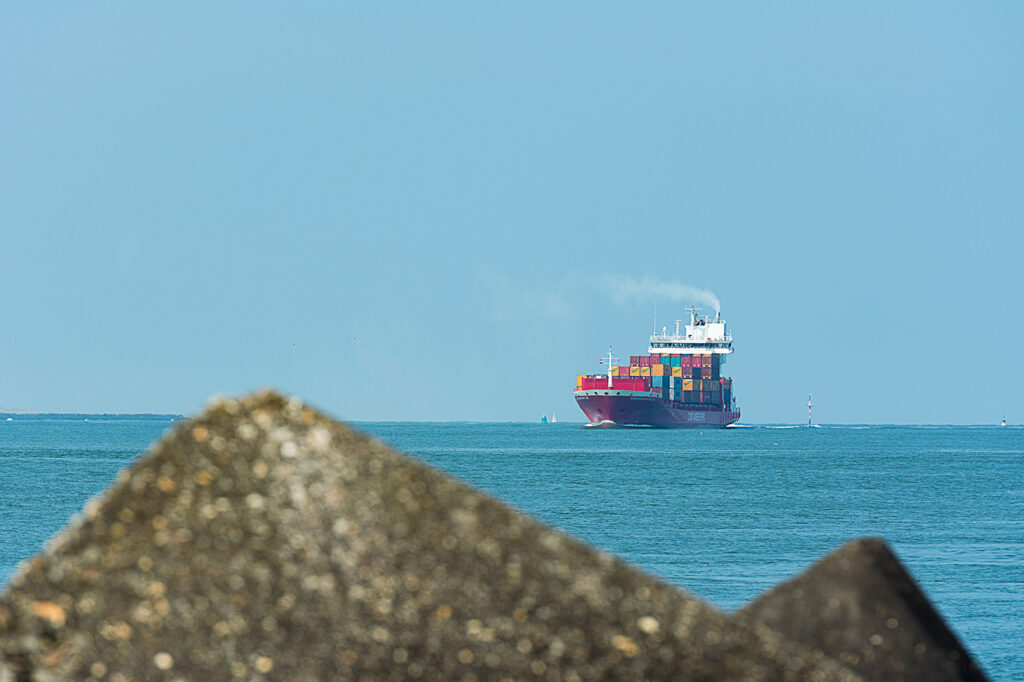
For companies, the challenge is becoming more complex. Traditional supply-chain planning often focused on reducing inventory and selecting the lowest-cost suppliers. Today’s environment requires businesses to consider geopolitical exposure, alternative shipping routes, supplier concentration and the ability to respond quickly to disruption.
Technology can help. Real-time shipment tracking, predictive analytics, automated warehouse systems and digital documentation can improve visibility and help companies identify problems earlier.
For India, these developments are particularly relevant to exporters and importers dealing with agricultural commodities, energy, electronics and industrial materials. International freight conditions can influence both manufacturing competitiveness and consumer prices.
The next phase of supply-chain management will therefore depend on resilience as much as efficiency. Companies that prepare alternative sourcing arrangements, diversify transport routes and build better risk-monitoring systems may be better positioned to withstand the next disruption.