




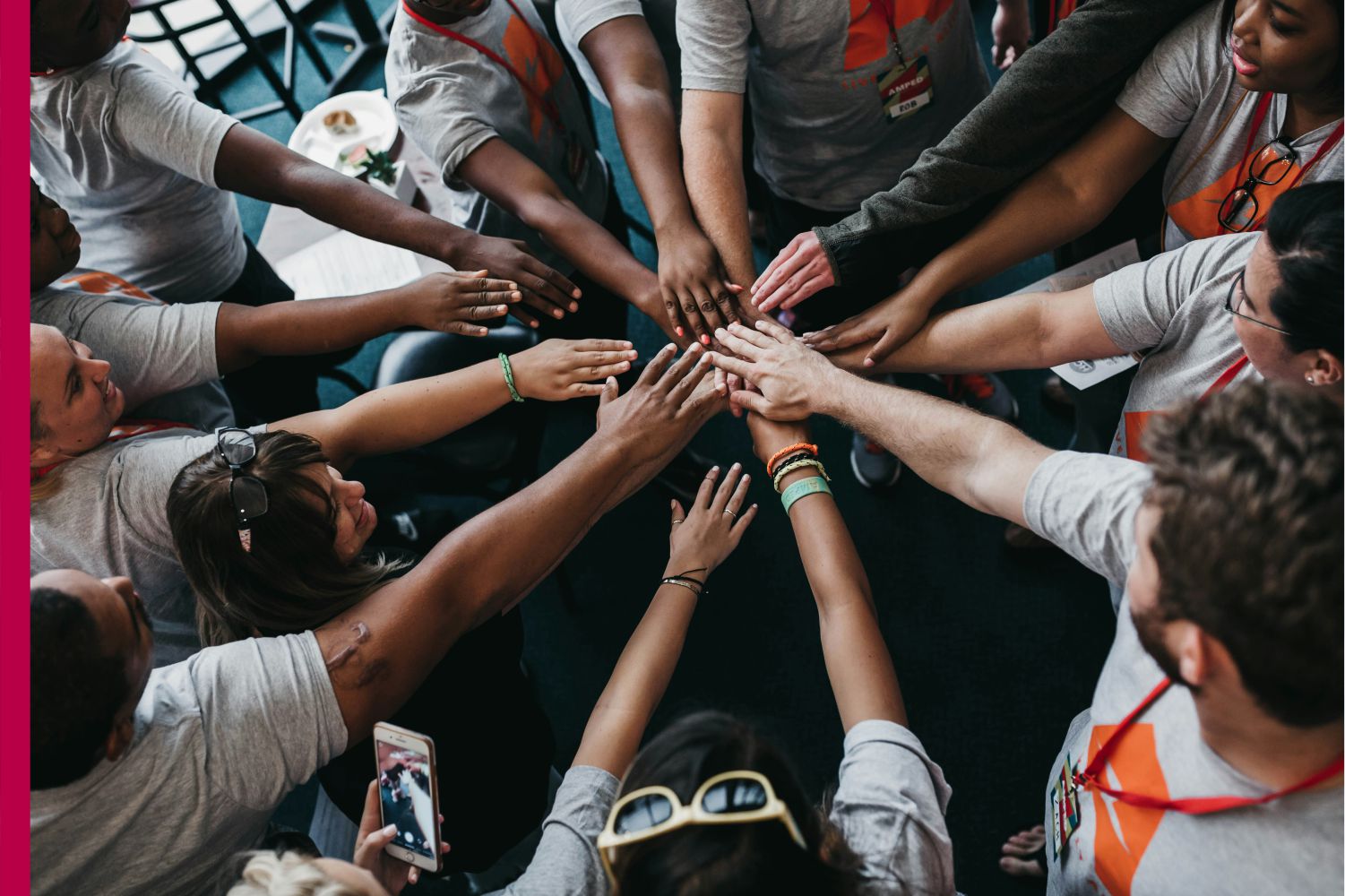
Social workers play a vital role in creating positive change by addressing social challenges and empowering communities at the grassroots level. While large-scale policies and programs are important for development, meaningful transformation often begins within local communities. Social workers work directly with individuals, families, and groups to understand their needs, provide support, and create sustainable solutions that improve quality of life.
Grassroots social work focuses on reaching people at the community level, especially those who face economic, educational, health, or social challenges. Social workers act as a bridge between communities and available resources by helping people access essential services, understand their rights, and participate in development initiatives. Their work strengthens communities by encouraging self-reliance, awareness, and collective action.
One of the most significant contributions of social workers is promoting education and skill development. Many communities face barriers such as limited access to schools, financial difficulties, and lack of learning resources. Social workers collaborate with local organizations, schools, and families to encourage education, reduce dropout rates, and support lifelong learning. By creating awareness about the importance of education, they help open pathways to better opportunities.
Healthcare awareness is another important area where social workers create impact. In many communities, people may lack information about preventive healthcare, nutrition, sanitation, and available medical services. Social workers organize awareness campaigns, connect individuals with healthcare providers, and support vulnerable groups in accessing medical assistance. Their efforts contribute to healthier communities and improved well-being.
Social workers also play a crucial role in supporting women and children. They work to promote safety, equality, and empowerment by addressing issues such as access to education, economic independence, and social inclusion. Through counseling, community programs, and awareness initiatives, social workers help individuals overcome challenges and build confidence.
Poverty reduction and livelihood development are major areas of grassroots intervention. Social workers help communities identify opportunities for income generation, connect people with training programs, and support entrepreneurship initiatives. By encouraging skills development and financial awareness, they contribute to long-term economic empowerment.
During times of crisis, the importance of social workers becomes even more visible. Whether responding to natural disasters, health emergencies, or community challenges, social workers provide immediate assistance and emotional support. They help affected individuals access resources, rebuild their lives, and strengthen community resilience.
Social workers also promote social inclusion by supporting marginalized and vulnerable populations. They work toward creating equal opportunities and reducing discrimination based on social or economic conditions. By encouraging dialogue and understanding, they help build communities where everyone has the opportunity to participate and succeed.
Technology is becoming an increasingly useful tool in grassroots social work. Digital platforms help social workers spread awareness, organize programs, collect information, and connect communities with services. Mobile technology and online resources are improving the reach of social initiatives, especially in remote areas.

The impact of social workers is not limited to solving immediate problems. Their work often creates long-term change by helping communities become stronger and more independent. They encourage people to participate in decision-making, develop leadership skills, and take ownership of local development efforts.
However, grassroots social work also faces challenges. Limited funding, resource shortages, difficult working conditions, and the complexity of social issues can make community interventions challenging. Social workers often require support from governments, organizations, and society to expand their impact.
Recognition and collaboration are essential for strengthening social work. When communities, institutions, and policymakers work together, social initiatives become more effective and sustainable. Supporting social workers means investing in stronger communities and a more inclusive society.
In conclusion, social workers are powerful agents of change who create meaningful impact at the grassroots level. Through education, healthcare support, empowerment, crisis response, and community development, they improve lives and strengthen society from the ground up. Their dedication demonstrates that lasting transformation begins with understanding people’s needs and working together to create opportunities for growth and dignity.