

Space tourism, once considered a dream limited to science fiction, is becoming one of the most exciting developments in the modern space industry. Advances in aerospace technology, private space companies, and reusable spacecraft are making commercial space travel increasingly possible. The idea of ordinary people traveling beyond Earth for exploration and adventure is opening new opportunities while also presenting significant challenges that must be addressed before space tourism becomes widely accessible.
Space tourism refers to commercial travel beyond Earth’s atmosphere for recreational, experiential, or research purposes. In the past, space exploration was primarily controlled by governments and space agencies. However, the rise of private space companies has changed the landscape by introducing new possibilities for commercial missions. These developments are creating a new era where space is becoming an emerging destination for travelers.
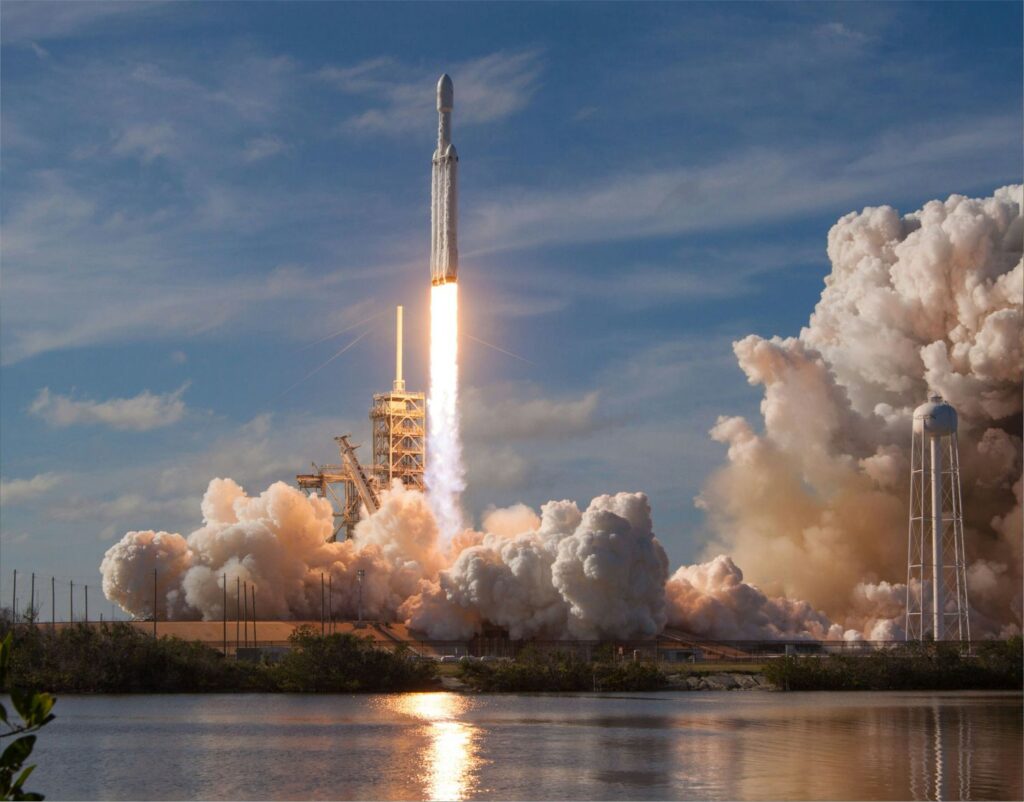
One of the biggest opportunities in space tourism is technological innovation. The development of reusable rockets, advanced spacecraft, and improved safety systems has reduced the cost and complexity of space missions. Reusable launch technology allows spacecraft components to be used multiple times, making space travel more efficient. These innovations are helping create the foundation for a future commercial space travel industry.
The growth of space tourism can also contribute to economic development. A new space tourism industry could create employment opportunities in aerospace engineering, spacecraft manufacturing, hospitality, training, and research. It may encourage investments in space infrastructure, including space stations, launch facilities, and advanced transportation systems. As the industry expands, it could become an important part of the global economy.
Another major opportunity is scientific advancement. Commercial space missions can support research by providing access to space environments. Private travelers and companies may contribute to experiments related to biology, physics, materials science, and human health. Increased activity in space could accelerate innovation and create new knowledge that benefits life on Earth.
Space tourism also has the potential to inspire future generations. Human curiosity about space has always encouraged scientific interest and exploration. Seeing more people travel beyond Earth may motivate students and researchers to pursue careers in science, technology, engineering, and mathematics. The industry could play a role in encouraging innovation and global interest in space exploration.
However, space tourism faces several important challenges. The most significant challenge is cost. Currently, commercial space travel remains extremely expensive and accessible only to a limited number of wealthy individuals. Making space tourism available to a broader population will require major improvements in technology, infrastructure, and affordability.
Safety is another critical concern. Space travel involves extreme conditions, including high speeds, radiation exposure, and complex technical risks. Ensuring passenger safety requires advanced spacecraft design, rigorous testing, and effective emergency systems. The industry must establish strong safety standards before large-scale commercial operations become common.
Environmental impact is also an important issue. Rocket launches consume significant amounts of fuel and can contribute to atmospheric pollution. As space tourism grows, concerns about emissions and environmental sustainability will increase. Companies and researchers will need to explore cleaner technologies and more sustainable approaches to space travel.
Space debris is another challenge associated with increased activity beyond Earth. The growing number of satellites, spacecraft, and missions increases the risk of congestion in orbit. Responsible space management and improved debris-control strategies will be necessary to protect future space operations.
The psychological and physical effects of space travel must also be considered. Humans experience changes in gravity, isolation, and stress during space missions. Future space tourists will require proper training and preparation to adapt safely to the space environment. Understanding human health in space will become increasingly important as commercial missions expand.
Regulation and international cooperation will play a major role in the future of space tourism. Governments and space organizations must develop clear guidelines related to safety, environmental responsibility, licensing, and international space activities. Effective regulations can support industry growth while protecting travelers and space environments.
In conclusion, space tourism represents a new frontier filled with opportunities and challenges. It has the potential to transform the aerospace industry, create economic opportunities, inspire innovation, and change humanity’s relationship with space. However, issues related to cost, safety, sustainability, and regulation must be carefully managed. As technology continues to advance, space tourism may move from an exclusive experience toward a more accessible part of the future of human exploration.