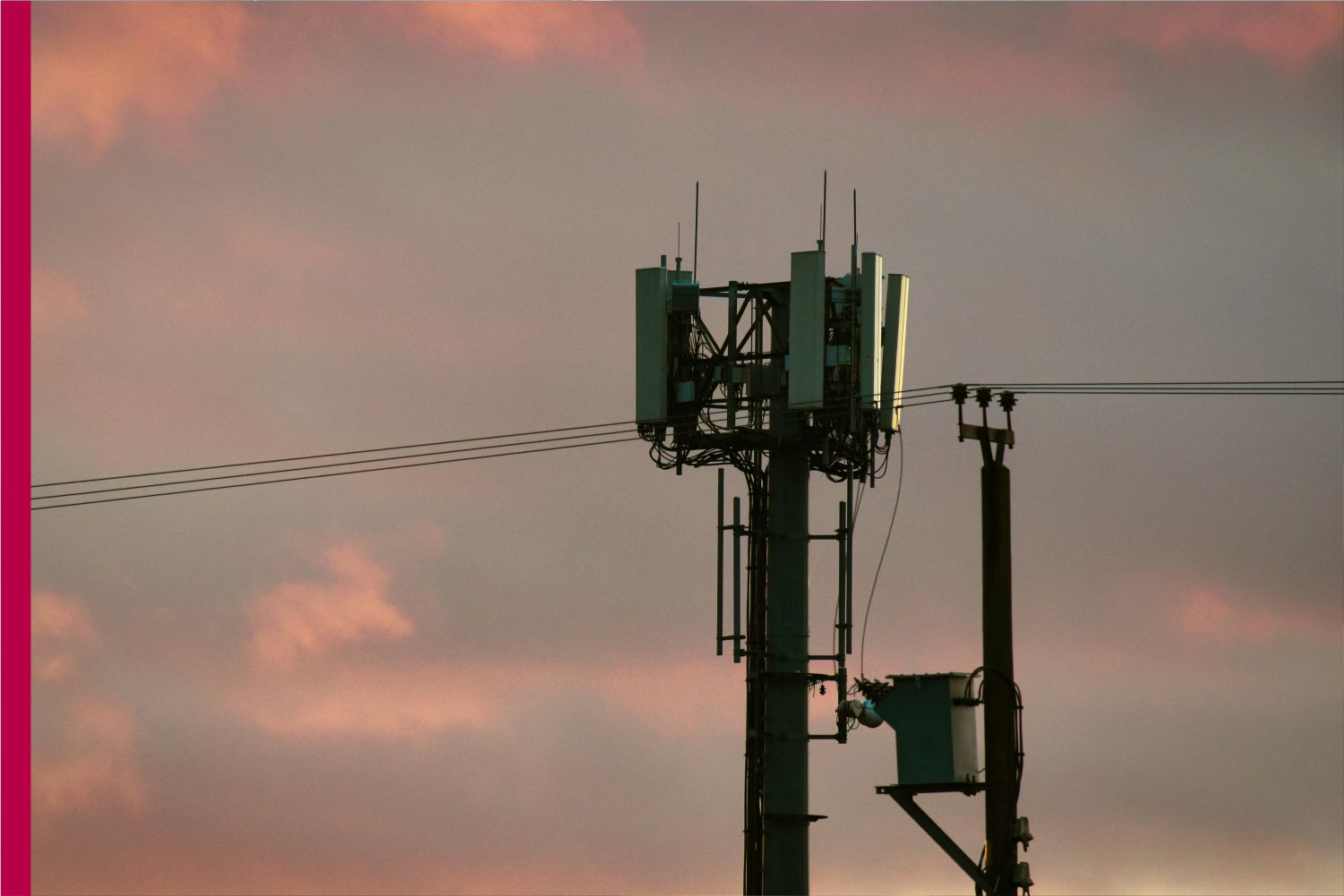





Telecommunication has become one of the most essential components of modern society, connecting people, businesses, governments, and communities across the world. From mobile communication and internet access to smart technologies and digital services, telecom infrastructure forms the backbone of the global digital ecosystem. As demand for faster connectivity continues to grow, telecom infrastructure development has become a major priority for creating a more connected and technology-driven future.
Telecom infrastructure refers to the physical and digital systems that support communication networks. It includes mobile towers, fiber optic cables, data centers, satellites, network equipment, and advanced communication technologies. Strong telecom infrastructure enables reliable voice communication, high-speed internet, cloud services, and emerging technologies such as artificial intelligence and the Internet of Things.
One of the biggest drivers of telecom infrastructure development is the rapid growth of digital connectivity. People and businesses increasingly depend on the internet for education, healthcare, banking, entertainment, and work. The expansion of digital services requires networks that can handle large amounts of data while providing fast and reliable connections. Telecom companies are investing heavily in upgrading infrastructure to meet these growing demands.
The expansion of 5G technology is a major milestone in telecom development. 5G networks provide higher speeds, lower latency, and the ability to connect millions of devices simultaneously. This technology is expected to transform industries by supporting smart cities, autonomous vehicles, advanced healthcare systems, industrial automation, and connected devices. Building 5G infrastructure requires significant investment in network equipment, fiber connectivity, and new-generation communication systems.
Fiber optic networks are another critical area of telecom infrastructure development. Fiber cables transmit data using light signals, offering much faster speeds and greater reliability compared to traditional networks. The expansion of fiber networks improves broadband access and supports the increasing demand for high-quality digital services. Many regions are focusing on fiber deployment to improve connectivity for both urban and rural communities.
Rural connectivity has become an important focus of telecom development. While cities often have access to advanced communication networks, many remote areas still face challenges related to internet availability and quality. Expanding telecom infrastructure into underserved regions helps reduce the digital divide. Improved connectivity enables rural communities to access online education, telemedicine, digital payments, and economic opportunities.
Data centers are also becoming a key part of telecom infrastructure. As internet usage increases, the need for secure and efficient data storage and processing facilities continues to grow. Data centers support cloud computing, online platforms, and digital applications. Modern telecom networks depend on advanced data centers to deliver fast and reliable services.
Satellite communication is gaining importance as a solution for expanding connectivity. In areas where traditional infrastructure is difficult to build, satellites can provide internet access and communication services. Satellite-based networks can support disaster management, remote communication, and global connectivity.
The development of telecom infrastructure also supports economic growth. Strong communication networks help businesses operate efficiently, encourage innovation, and create new digital opportunities. Small businesses can reach wider markets, industries can adopt smart technologies, and governments can improve public services through better connectivity.
However, telecom infrastructure development faces several challenges. High investment costs, regulatory requirements, maintenance issues, and technological complexity can slow expansion. Building networks in remote areas can be especially challenging due to geographical barriers and limited commercial returns. Collaboration between governments and private companies is often necessary to overcome these obstacles.
Cybersecurity is another important consideration in telecom infrastructure. As networks become more connected, protecting communication systems from cyber threats becomes essential. Telecom providers must invest in advanced security measures to protect user data, maintain network reliability, and prevent disruptions.
Sustainability is also becoming a major focus in telecom development. Network equipment and data centers consume significant energy, leading companies to explore renewable energy solutions and energy-efficient technologies. Sustainable telecom infrastructure helps reduce environmental impact while supporting long-term digital growth.
The future of telecom infrastructure will be shaped by emerging technologies such as 6G, artificial intelligence, edge computing, and advanced satellite networks. These innovations will require stronger, smarter, and more adaptable communication systems. Telecom networks will become increasingly important in supporting the next generation of digital transformation.